STOREFRONT EXTERIOR CLEANING FOR WINDOWS, ENTRYWAYS, BUILDING FACADE IN OCALA AND SURROUNDING COUNTIES | SCHEDULED MAINTENANCE PROGRAMS FOR SAME-WEEK AVAILABILITY
Clean Windows = More Walk-Ins. Retail Exterior Specialists.
Looking for professional storefront cleaning in Ocala, Florida? Starr's & Stripes Power Wash provides specialized commercial exterior washing, entrance walkway pressure washing, soft-wash canopy cleaning, and window frame washing across Marion, Sumter, Citrus, and Levy Counties. Owners Randy and Matt Starr deliver off-peak, early morning, and overnight cleaning—eliminating chewing gum, green algae, grease stains, and spider webs from your retail entrance without disrupting shoppers or daily business operations.
Turn Foot Traffic into Customers
Retail customers make approach decisions in the first few seconds. The window display, the sidewalk condition, the door frame and entryway — all of it registers before the customer consciously thinks about it. A clean storefront converts browsers into buyers. A dirty one converts buyers into browsers who keep walking.
Starr’s & Stripes specializes in the full storefront entry sequence: exterior windows, sidewalks and entryway concrete, building face and facade, door and frame surrounds, and awnings or canopies where present. One professional cleaning visit delivers the complete first impression that your retail business has been working toward. A scheduled maintenance program keeps it there.
Your Customer Has Already Decided Before They Open the Door.
Walk your own storefront from the parking lot to the entrance the way a new customer does. At each step, ask what you notice. The dirty window film that diffuses your display. The stained concrete in front of the door. The algae on the building face at eye level. The grimy door frame. Each one is a small signal. Together they form the first impression that determines whether this customer comes back without being prompted, or remembers the experience as merely acceptable.
A clean storefront sends the opposite set of signals at each step. The entry sequence below covers every point of the customer approach from the parking lot to the threshold.
1
Building Face at Street Visibility
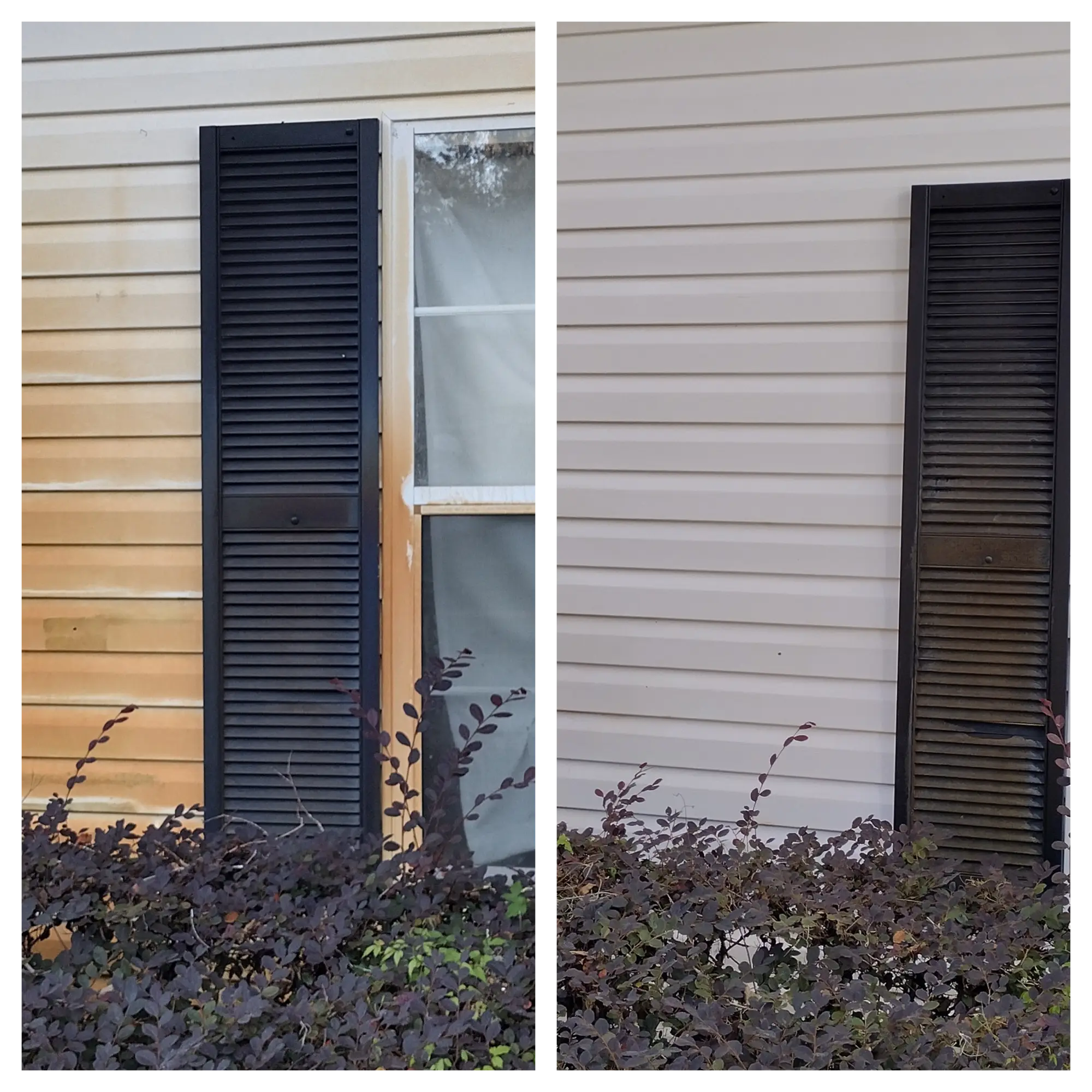
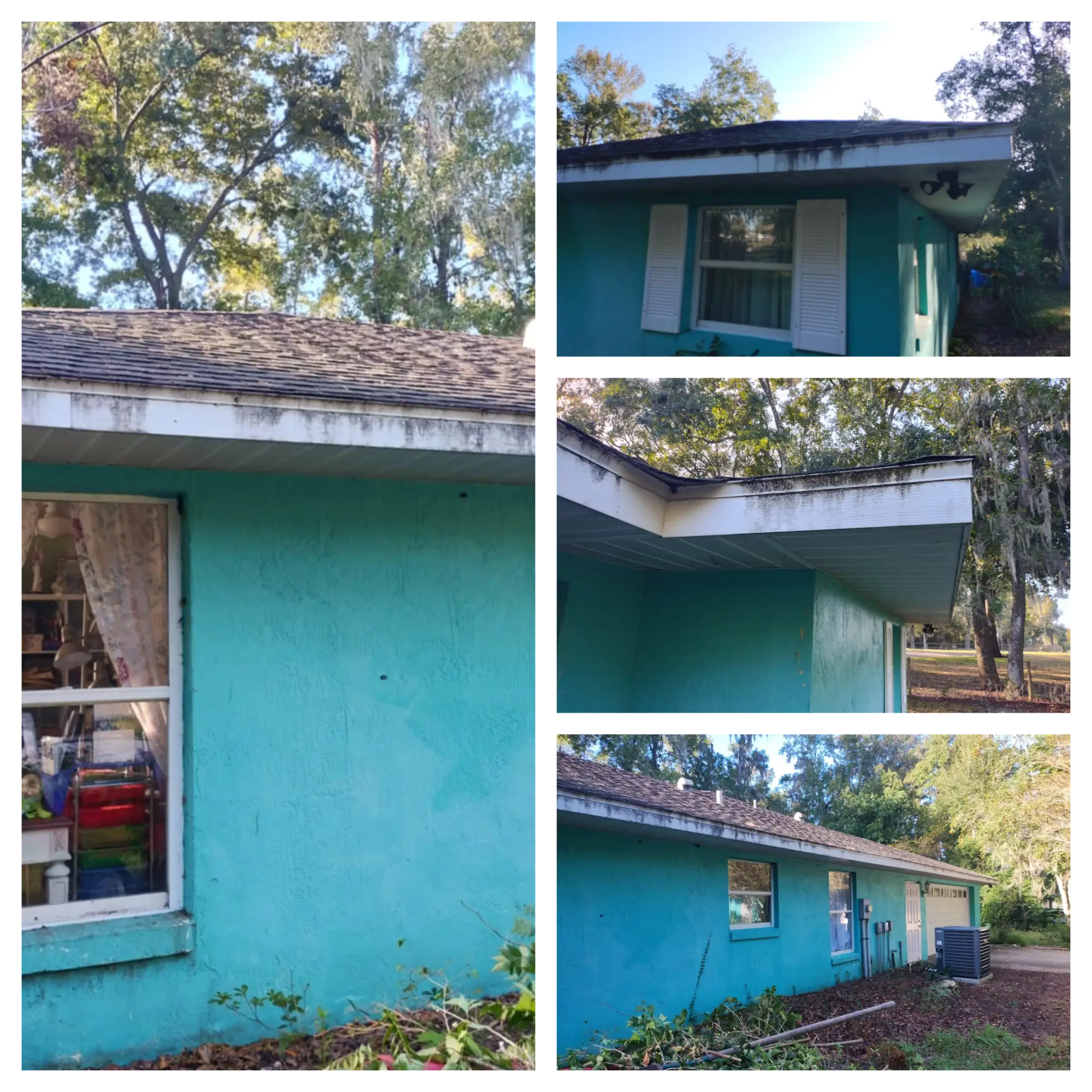
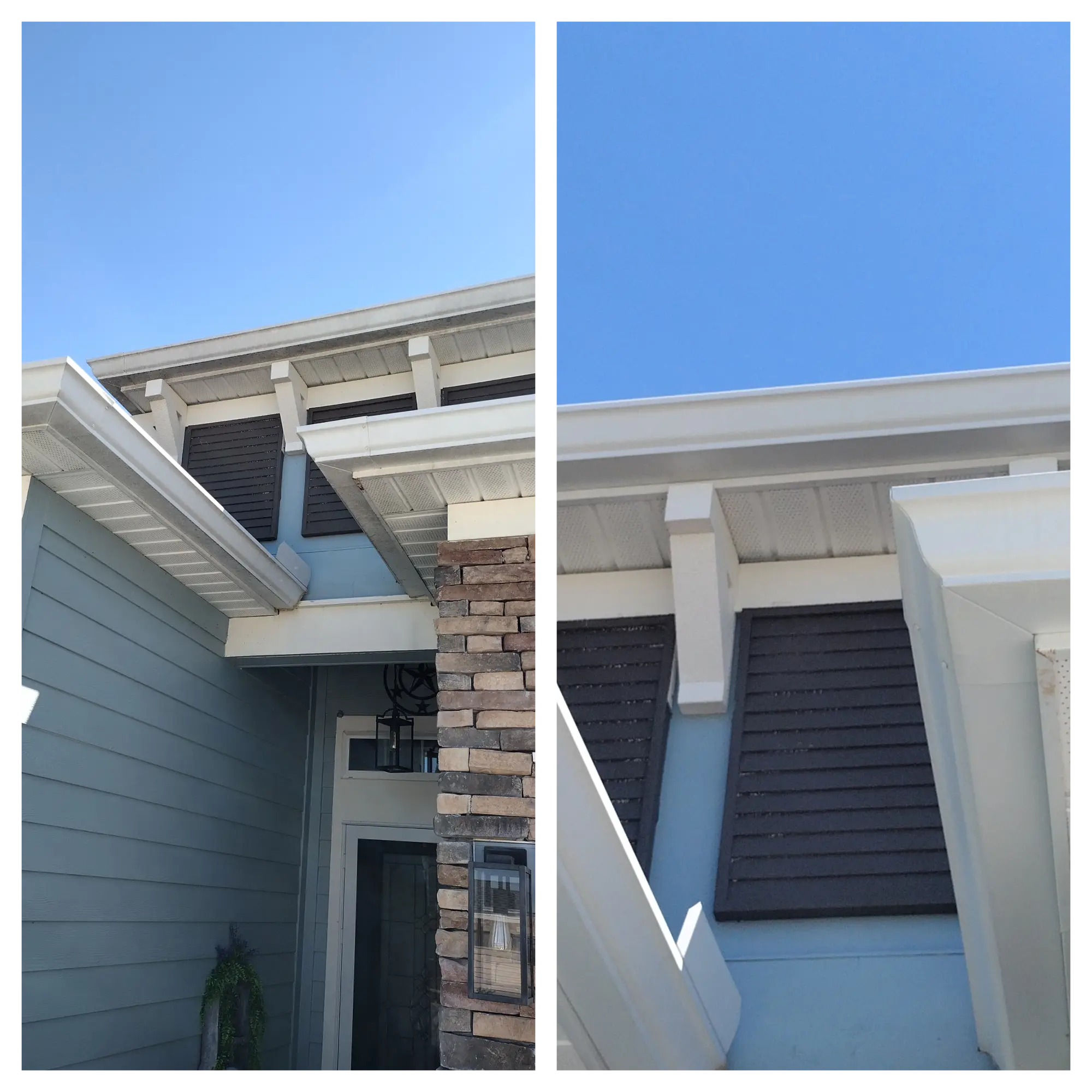
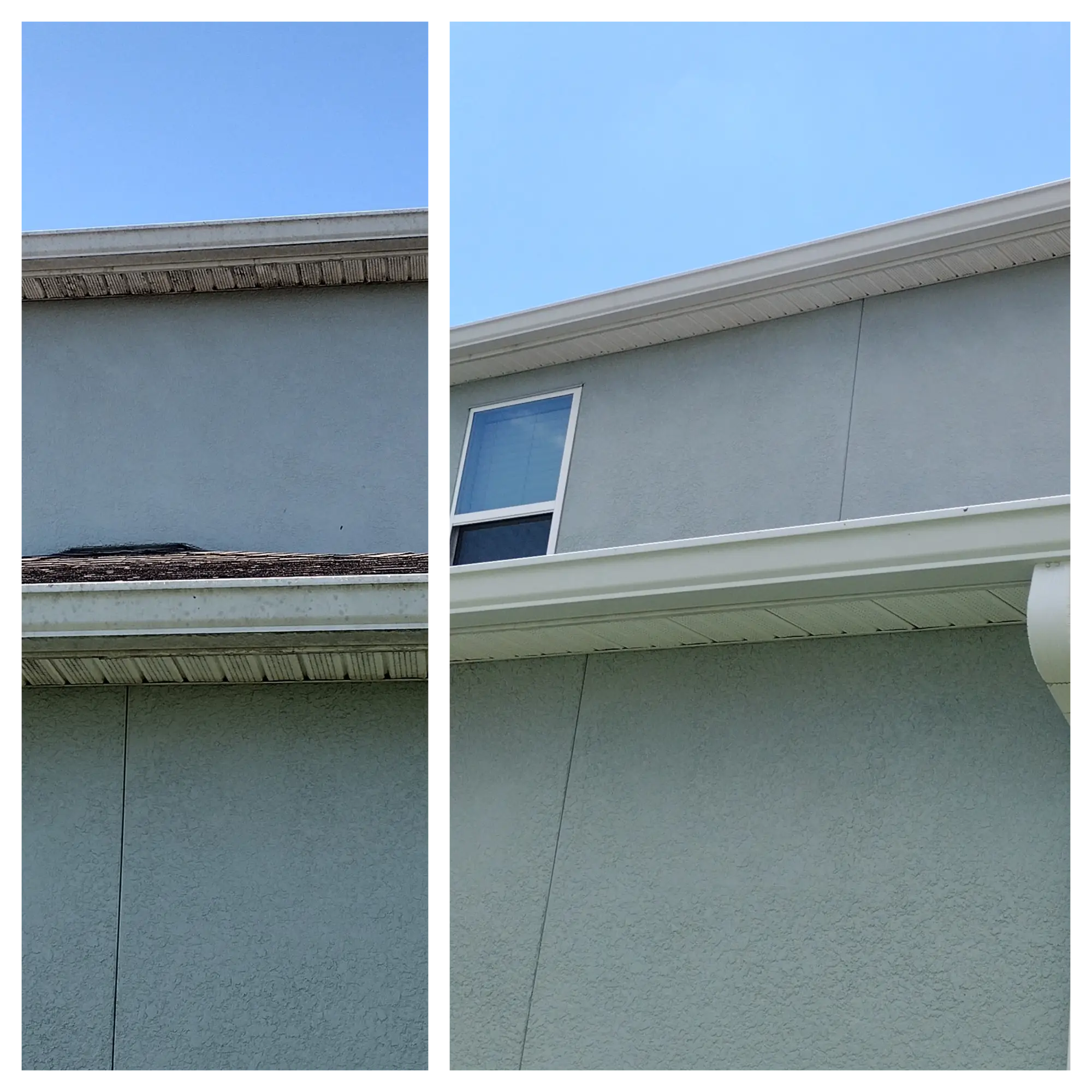
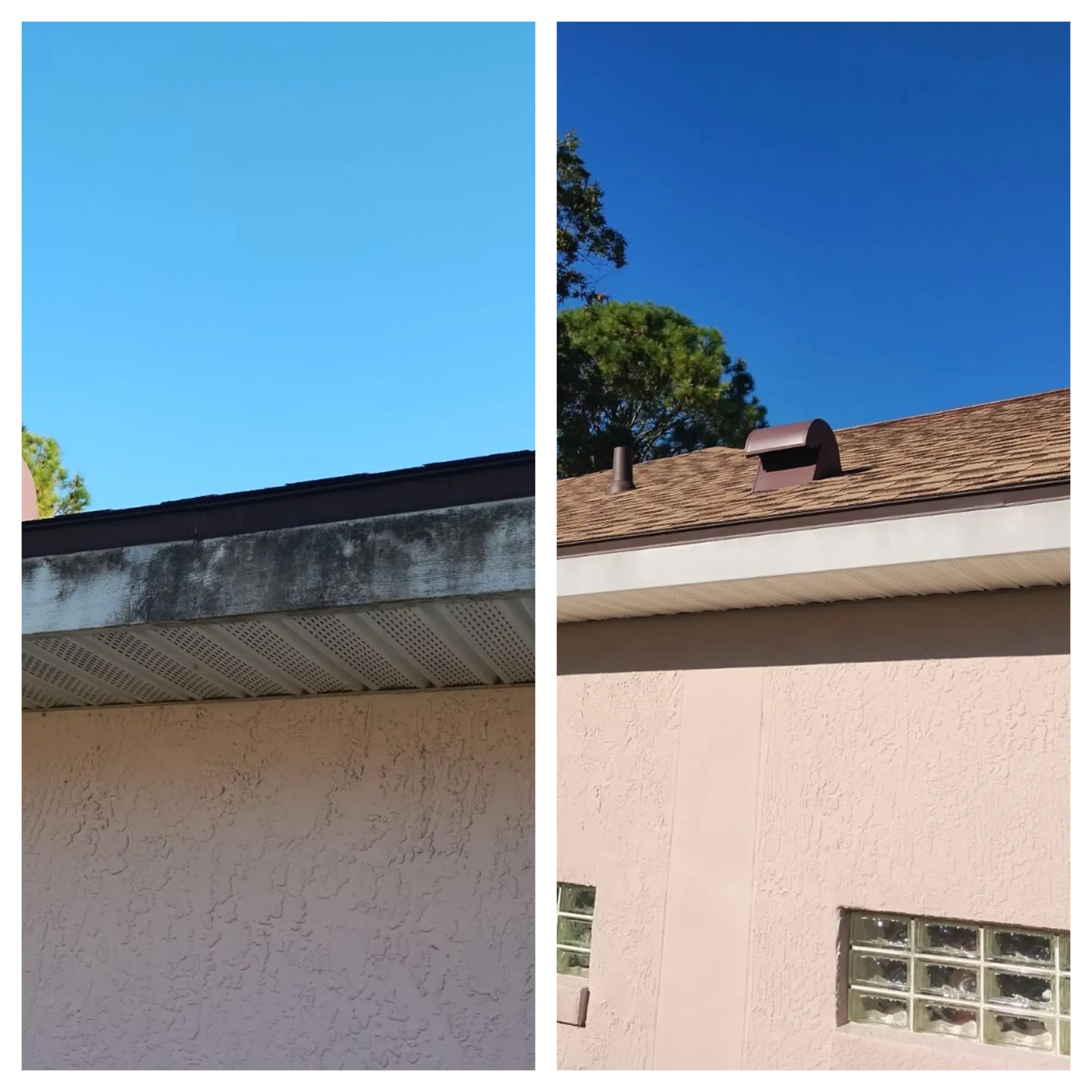
Dirty: Algae streaking and biological growth on the stucco or masonry face visible from the road or parking lot. The first signal, registered from 50 feet away, is that the building has not been maintained. Clean: Clean, bright building face with original color visible. From the road, the business reads as maintained, professional, and worth stopping for.
2
Storefront Windows
Dirty: Film, dust, water spots, and biological residue on the exterior glass diffuse the window display and make the interior look dim and unappealing from outside. In direct sunlight, a dirty window becomes nearly opaque and the display disappears entirely. Clean: Clear glass that shows the interior and the product display with full visual fidelity. Natural light comes through rather than reflecting off film. The window acts as a marketing surface, not an obstacle to seeing what is inside.
3
Sidewalk and Approach Concrete
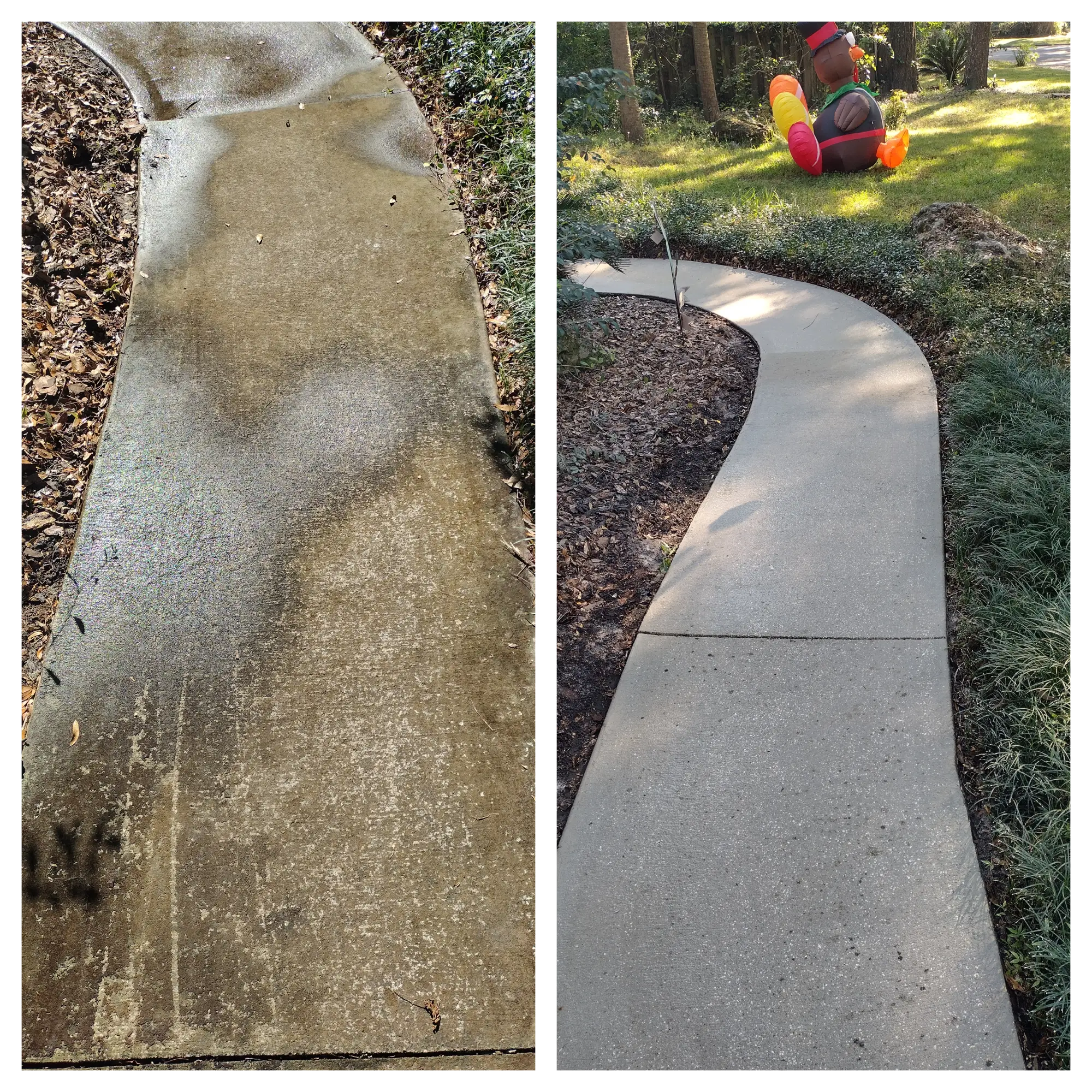
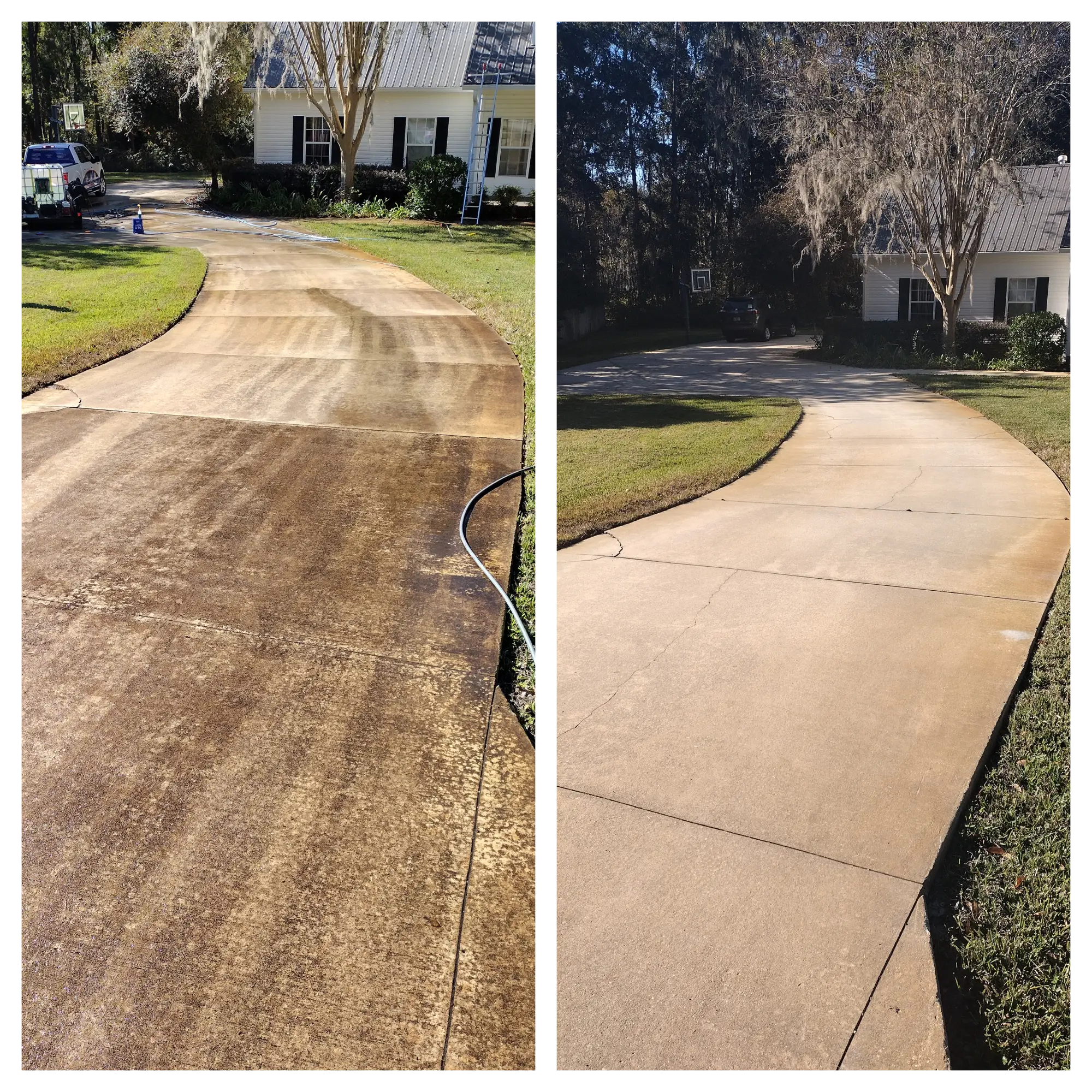
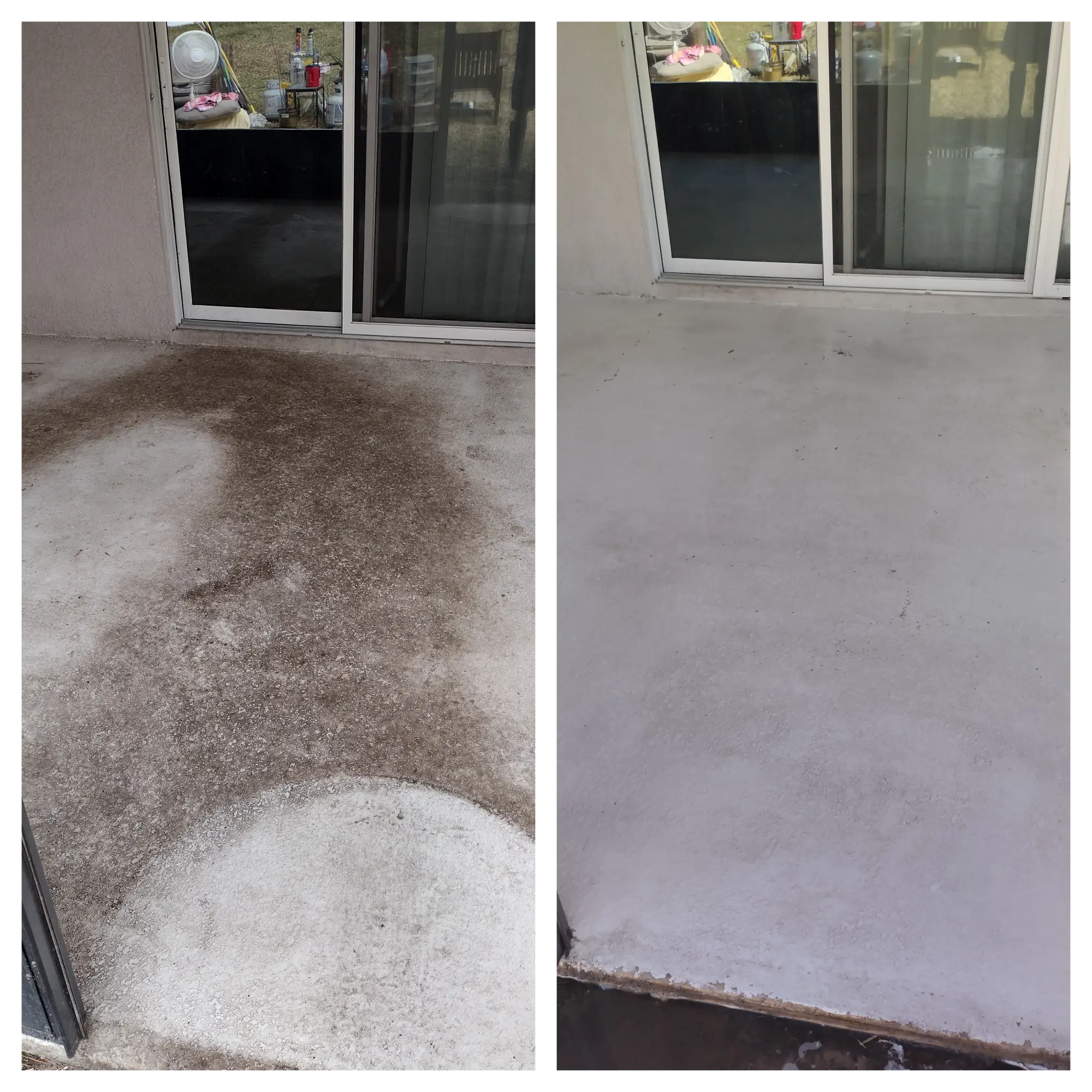
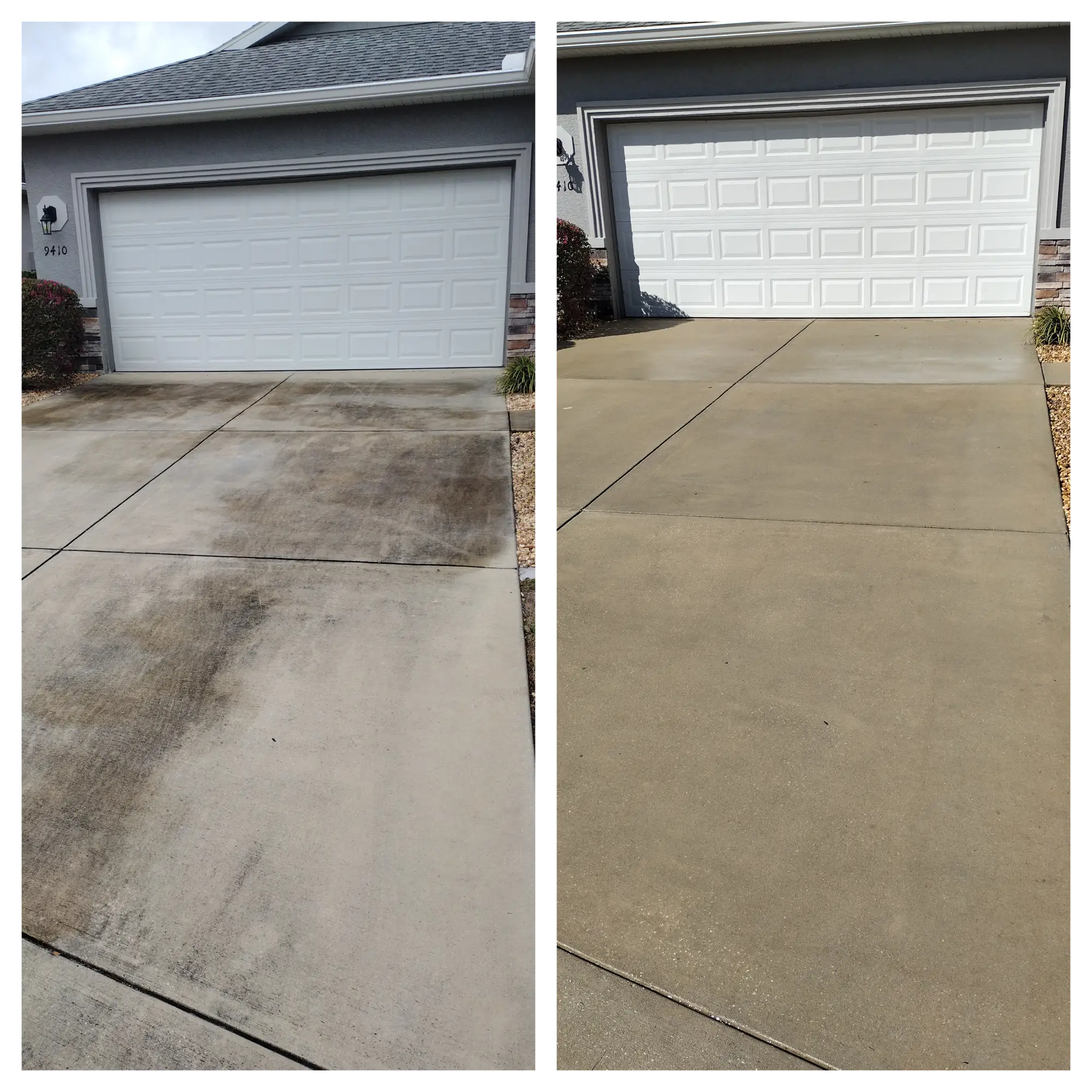
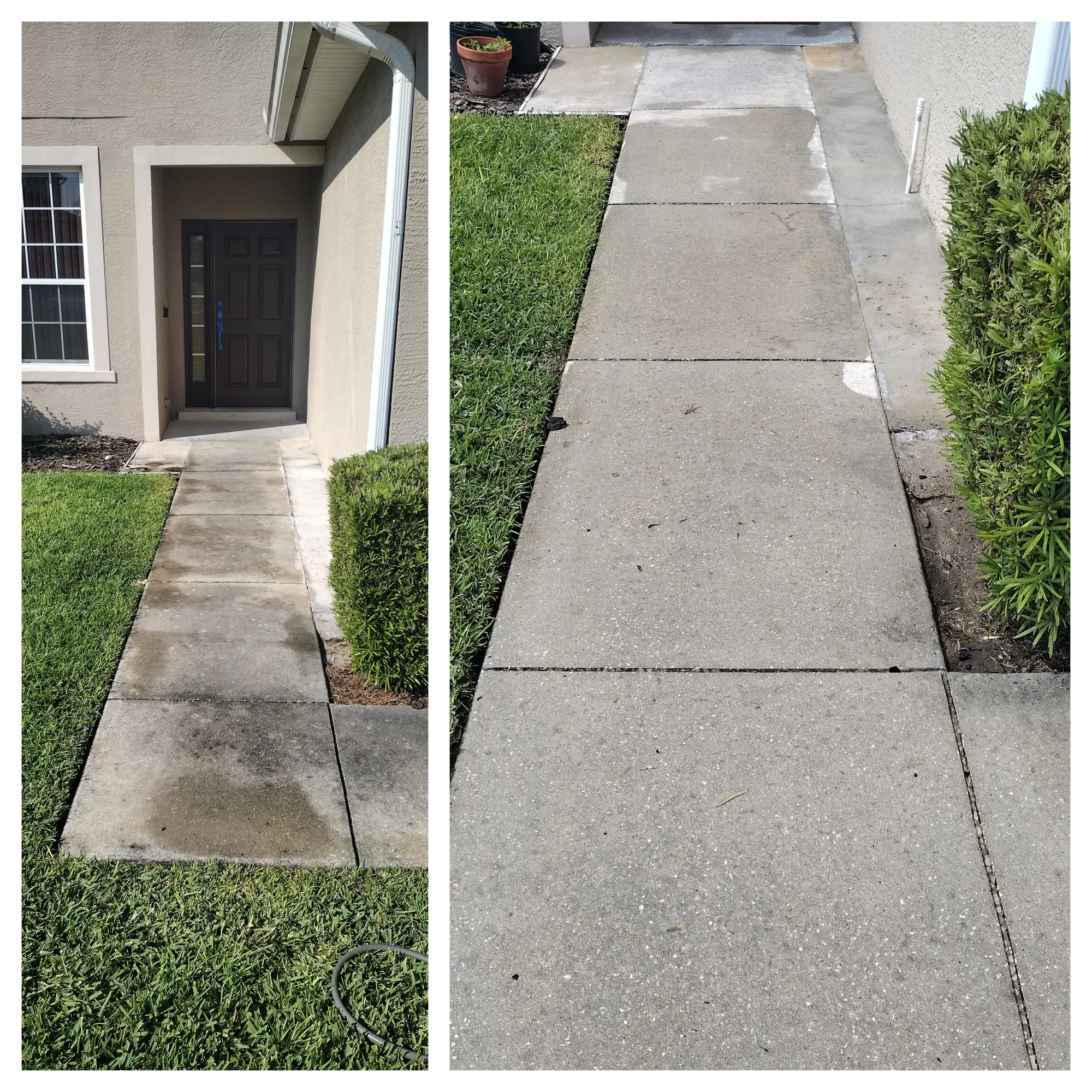
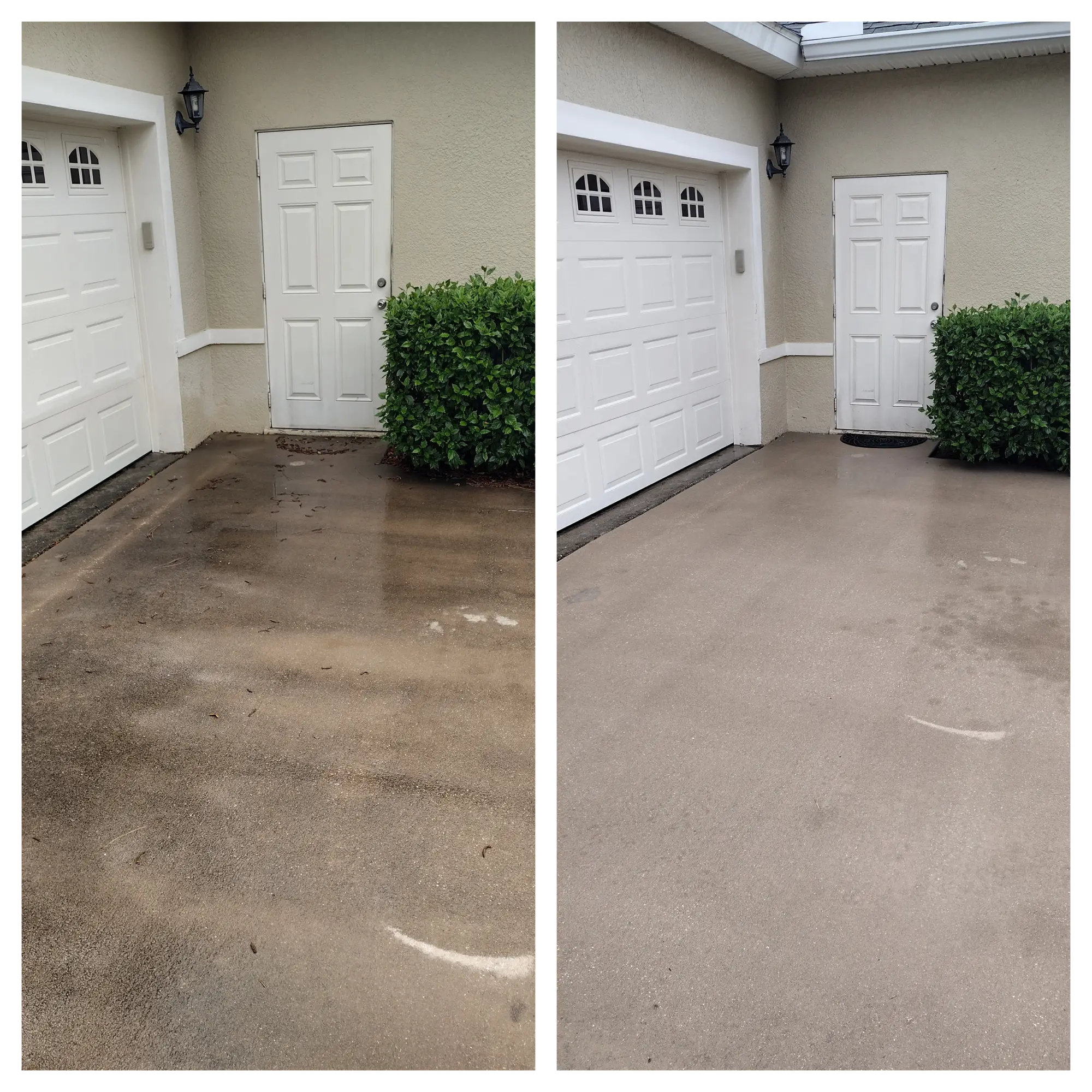
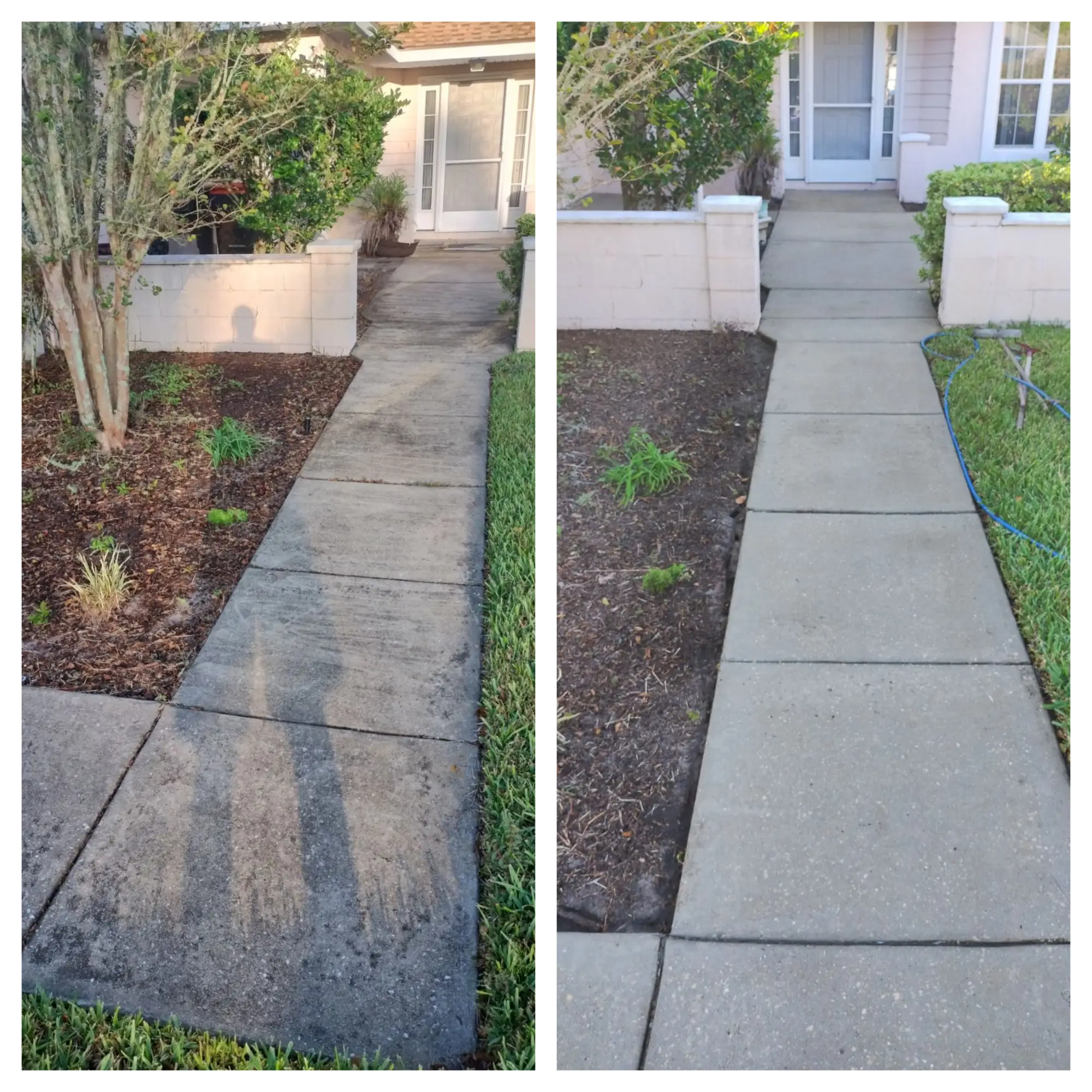
Dirty: Green algae patches in the pedestrian approach zone, dark staining from foot traffic and weathering, gum and organic accumulation near the entry. The customer is looking down at this surface when they are closest to the building. Clean: Bright, clean concrete or paver approach. The customer arriving at the door has been walking on a maintained surface since they left the parking lot. That baseline is invisible when it is right, and highly visible when it is wrong.
4
Door Frame and Entryway Surround
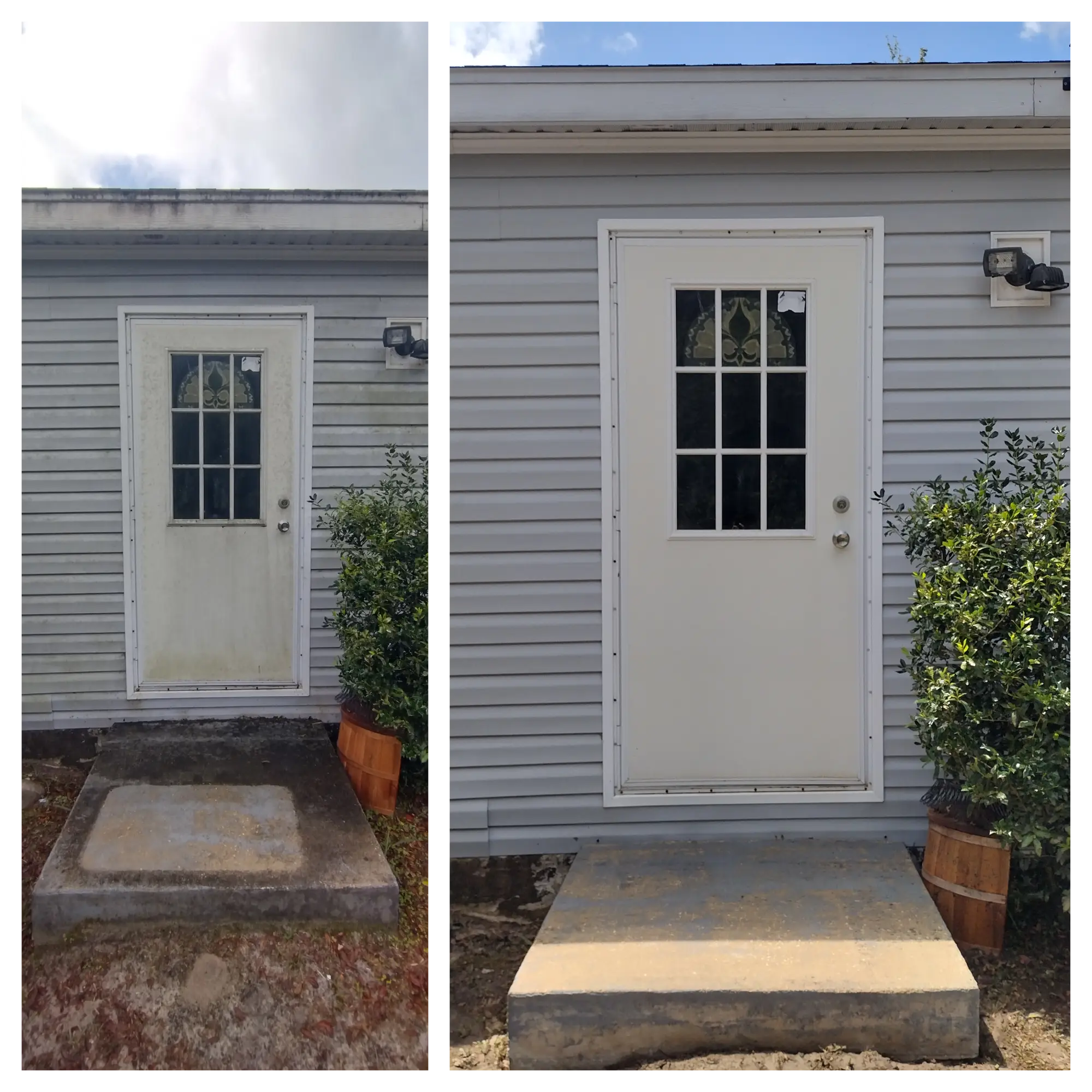
Dirty: Grime accumulation, mildew, and biological growth at the door frame, threshold, and the high-traffic wall surfaces directly adjacent to the entry. The dirtiest point on most storefronts because it receives the most physical contact and the most moisture from entering customers. Clean: Clean frame, threshold, and entry surround. The customer's last contact surface before entering is clean. They step from the maintained exterior into the maintained interior without a downgrade at the transition.
5
Awning or Canopy (Where Present)
Dirty: Green biological growth on fabric or metal awning surfaces, accumulated dirt and debris on canopy tops, staining visible on the underside when customers stand beneath them waiting for the door to open or checking their phone.Clean: Clean awning that contributes to the brand color rather than obscuring it. The customer standing under the entry canopy looks up at a maintained surface, not a demonstration of neglect directly overhead.
Every Surface in Your Storefront Entry. Cleaned Correctly.
Exterior Windows and Glass Storefront Systems
Common problem: Exterior glass accumulates water mineral deposits (hard water spots) from irrigation overspray and rain runoff, film from traffic pollution, biological residue, and in Florida specifically the pollen and dust from the dry season that bonds to any surface moisture. Standard water rinsing does not remove mineral deposits or the bonded biological film. Streaks visible after a DIY cleaning attempt are usually dried mineral residue from the rinse water itself.
Our approach: Window-specific cleaning solution applied at concentration appropriate for the contamination type. Spot treatment for any hard water scale. Squeegee and cloth finish from top to bottom on all glass panel sections. No streak finish verified before moving to the next surface. Storefront window cleaning is not the same process as building face washing and is handled with window-specific technique throughout.
Entry Sidewalk, Approach Concrete, and Pavers
Common problem: High-foot-traffic concrete in front of retail entries develops two distinct contamination types. Biological growth — algae and mildew — colonizes in the texture and expansion joints of the concrete, producing green and black patches that become slip hazards in wet conditions. Organic staining from foot traffic, food and drink spills, and weathering darkens the concrete field progressively over time without a distinct edge that triggers maintenance attention.
Our approach: Commercial pressure washing or soft wash approach depending on surface material. Concrete gets appropriate pressure to remove both biological growth and surface staining with surfactant pre-treatment. Paver surfaces cleaned with pressure calibrated to protect joint sand and paver face. Entry mat areas treated with special attention since trapped moisture accelerates biological growth underneath.
Building Face and Facade (First-Floor Level)
Common problem: The building face at eye level in the customer approach zone is the surface most directly processed by customers approaching the storefront. Stucco, brick, EIFS, painted concrete, and metal panel all accumulate biological growth, pollution staining, and general grime on the same timeline. The eye-level zone (zero to eight feet) is the first-floor area most in need of regular maintenance because it receives direct splash from rain, runoff from above, and physical contact from customers and maintenance traffic.
Our approach: Soft wash or appropriate-pressure wash calibrated to building material. The approach in this section was detailed in the stucco cleaning and siding cleaning service pages for material-specific guidance. Commercial building face cleaning at storefront scale is completed in a single visit and targeted to the first-floor customer-facing elevation.
Door Frame, Threshold, and Entry Surround
Common problem: Door frames and entry surrounds are the most manually contacted exterior surface on any retail storefront. Every customer who enters touches the door hardware, the frame edge, or the wall beside the entry. This physical contact, combined with the moisture that enters the entryway on wet days, creates accelerated biological growth and grime accumulation directly at the customer’s point of closest approach. Most retail cleaning programs miss this zone entirely because it does not read as a cleaning target from across the parking lot.
Our approach: Targeted hand cleaning of all door frame surfaces, threshold edge, and the adjacent wall zones. Entry hardware cleaned with appropriate chemistry. Biological growth in grout lines or caulk at the threshold treated directly. This is the zone that makes the difference between a storefront that reads as completely clean and one that reads as mostly clean on closer inspection.
Awnings, Canopies, and Overhead Entry Structures
Common problem: Fabric awnings accumulate biological growth, particularly on the top surface where water pools after rain, and the growth migrates to the visible underside and edge in stripes that are directly visible to customers standing beneath. Metal canopies develop rust streaks and biological film. Both accumulate debris and pollen on the top surface that washes down the face during rain events, creating visible contamination lines on the storefront glass and facade below the canopy edge.
Our approach: Fabric awning cleaning with low-pressure soft wash and fabric-safe surfactant to avoid damage to the awning material. Metal canopy cleaning with appropriate pressure and treatment for any rust streaking. After awning cleaning, the storefront glass and facade below the drip line are checked and touched up as needed since the awning cleaning releases accumulated contamination onto the surfaces below it.
What Happens to a Retail Business After One Professional Cleaning Visit.
Strip Mall Tenant in an SR 200 or Silver Springs Boulevard Center
Before: The windows have accumulated film from a dry season of dust and pollen. The entryway concrete has green patches that are most visible on bright days. The building face has algae streaking at the roofline that runs down to the sign band. The business owner has noticed it but has not found time to call anyone.
After: The windows are clear and the product display is visible from the road for the first time in months. The entryway concrete is bright. The building face is clean to the roofline. Foot traffic from other tenants who pass the storefront has noticeably increased. A neighboring tenant asked who did the cleaning. The property manager commented that the unit looked better than it has since the last cleaning cycle.
Restaurant or QSR Exterior with Drive-Through or Patio
Before: The building face around the drive-through window and menu board surround has accumulated food spatter and biological growth. The entryway and patio concrete are stained and the outdoor seating area is not the comfortable space it was. Health department exterior comment on the last visit was not ideal.
After: The drive-through lane and window surround are clean. The patio and outdoor seating area are ready for customers. The building face reads as food-safe from the parking lot. The health inspector’s exterior comment this visit is unremarkable in the best way.
Professional Services Storefront — Law Office, Medical Practice, Salon, or Financial Services
Before: The exterior does not have obvious contamination but the windows have accumulated the gradual film that diffuses the interior lighting and makes the space look less bright from outside than it is. The entry concrete has the steady darkening that comes with years of foot traffic. The building reads as established rather than sharp.
After: The windows are clear and the interior is visible as bright and clean from the sidewalk. The entry is sharp. The building reads as a place that pays attention to the details of the client experience. Existing clients notice. New clients who were on the fence remember which office exterior communicated professionalism.
One Clean Storefront Is Good. A Storefront That Stays Clean Is Better.
A single professional cleaning removes what has accumulated and restores the first impression your business deserves. A scheduled maintenance program keeps it there without requiring the owner or manager to notice, remember, and act every time. Consistent exterior maintenance becomes one less thing on the list.
Starr’s and Stripes works with retail clients on maintenance schedules built around the specific needs of the business type, traffic volume, and local conditions. A restaurant with a drive-through in a high-pollen location needs a different frequency than a professional services office in a covered strip center. The program is the right interval for the specific storefront, not a one-size cadence.
Monthly Maintenance
Best for: High-traffic food service, QSR, beauty and personal care, and any retail with outdoor seating or drive-through
Covers: Exterior windows, entry sidewalk and threshold, door frame and surround, visible facade spot treatment
Frequency: Once per month — keeps high-traffic surfaces at consistent appearance standard through peak season and Florida wet season
Quarterly Maintenance
Best for: Professional services, specialty retail, medical and dental offices, financial services, and moderate-traffic strip tenants
Covers: Full entry sequence: windows, sidewalk, building face first floor, door frame, awning if present
Frequency: Every three months — matches Florida’s seasonal biological growth cycle and keeps the storefront at a consistent professional standard year-round
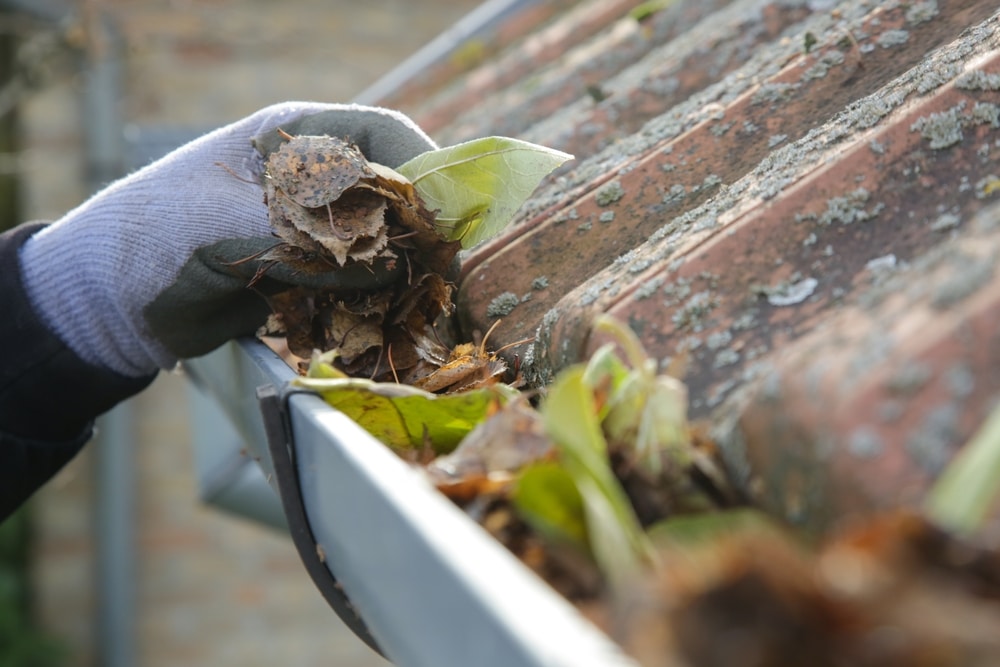
Bi-Annual Deep Clean
Best for: Low-traffic offices, service businesses without significant foot traffic, and properties with covered or protected entries that accumulate contamination more slowly
Covers: Full storefront cleaning plus extended building face wash, awning treatment, and any accumulated contamination from the prior six-month period
Frequency: Twice per year — minimum effective frequency for any Florida commercial exterior to prevent biological growth from becoming a permanent surface condition
5-Star Rated on Google & Yelp
Trusted by Homeowners Across Marion,
Citrus, Levy & Sumter Counties
Posted on Google
 Brandon Fairley
Trustindex verifies that the original source of the review is Google.
Randy and his team are true pros when it comes to power washing. They take the time to do the job right and treat your property with care. Highly recommend!Posted on Google Chad FilleyDoes and great job, extremely thorough job on a drive way and house.Posted on Google
 Gary StrikerStars and Stripes Power Washing does incredible work. Randy and his crew did an outstanding job on my horse trailer. It looks brand new. He is professional, shows up on time, paid attention to the details, and left everything clean when he finished. I’m a realtor, and I recommend Randy and Stars and Stripes Power Washing to all of my clients who need power washing. Reliable, high quality work every time..Posted on Google
 Gus BlancoWe own Complete Dryer Vent Services LLC and were really impressed with the work these guys performed. I can't believe how dirty my vinyl fence was. A week later and it's still glowing white! Got a good education on how lichen can cause staining and damage protective coating on vinyl fence. These guys know their stuff. They even washed our work trailer! Highly recommend Starr's and Stripes.Posted on Google
 Michael FetchRandy and Mathew from Starr's and Stripes Power Wash did an excellent job on our full house wash. Communication was clear and easy from start to finish, and they took the time to protect the plants and landscaping around the house. Our roof shingles had streaks all over them and now they are completely gone — the roof and house both look amazing. Honestly looks like a brand new home again. I would absolutely recommend them to anyone looking for pressure washing done right.Posted on Google
 Crystal LyonsReally great people! Prompt, courteous and professional while still being personable. Highly recommend!!! Edited to add that we are now repeat customers and our rating hasn't changed a bit! Same promptness, courtesy and professionalism!Posted on Google
 Kevin MckenzieRandy was very professional, friendly and thorough. I would highly recommend Starr's & Stripes Powerwash to anyone needing their home, roof or driveway cleaned.Posted on Google
 Angela NortonStarr's & Stripes PowerWash exceeded my expectations! Randy's team transformed my property, leaving everything spotless and looking brand new. Their attention to detail and dedication to quality are impressive. If you need reliable and thorough exterior cleaning, look no further—these guys are the best in the business!Posted on Google
 Mary RossiAbsolutely the nicest people to deal with and a great job.Posted on Google
 Jeannine PlummerI am a local Realtor, and I love that I can trust Starrs & Stripes to do a great job and with such professionalism that my clients reach out singing their praises after they leave. I highly recommend using this company for all of your power washing needs!
FAQs
Questions About Storefront Cleaning in Ocala
Does a clean storefront actually bring in more customers?
Yes, in measurable ways. Consumer psychology research on retail first impressions consistently shows that exterior appearance is a primary factor in the unplanned purchase decision — the moment a passerby decides to enter a business they were not specifically planning to visit. The exterior condition signals whether the business is professional, attentive, and worth the customer’s time. A clean storefront does not guarantee the sale, but a dirty one loses customers before the door opens. In a competitive retail corridor — the SR 200 strip, the Silver Springs Boulevard commercial zone, any strip center in Marion County — the business with the cleanest exterior captures the uncertain customer more often than the one whose windows and entryway read as unmaintained.
Do you clean around store hours and customer access?
Yes. Storefront cleaning is scheduled to minimize disruption to business operations. Early morning service before opening, evening service after closing, and weekend scheduling are all available depending on the location and service scope. For storefronts where windows and entryway need to be cleaned without blocking customer access, we can phase the work to keep the entry open throughout the cleaning. Specify your operating hours and any access constraints when requesting an estimate and we will build the cleaning schedule around them.
What is the difference between storefront cleaning and general commercial pressure washing?
General commercial pressure washing covers the full range of commercial surfaces at any scale — parking lots, loading docks, multi-story facades, fleet vehicles, dumpster pads. Storefront cleaning is specifically the customer-facing entry sequence: windows, entry sidewalk, door frame and surround, building face at first-floor level, and awning or canopy where present. Storefront cleaning is narrower in scope, more frequent in cadence for high-traffic retail, and includes window cleaning as a primary service component. A business that needs both the storefront maintained monthly and the parking lot cleaned quarterly uses both services on different schedules.
Do you offer recurring maintenance programs for retail storefronts?
Yes. We work with retail clients on scheduled maintenance programs at monthly, quarterly, or bi-annual frequency depending on business type, traffic volume, and local conditions. A scheduled program eliminates the need for the owner or manager to notice and act every time the exterior needs attention — the cleaning happens on the agreed calendar without requiring a new scheduling decision. Program pricing reflects the value of the ongoing relationship. Contact us to discuss what the right frequency would be for your specific storefront.
Can you clean storefront windows without streaks?
Yes. Streak-free exterior window cleaning requires window-specific cleaning chemistry, not the general surfactant used for building face washing, and a squeegee and cloth finish rather than a direct pressure rinse. The most common source of streaks on exterior windows is the mineral content of the rinse water itself — when hard water dries on glass it leaves a white residue that reads as a streak. Our window cleaning process uses appropriate chemistry to address mineral deposits, a squeegee finish on all glass panel sections, and a visual check before moving to the next section. Any spots visible in direct sun are addressed before leaving the site.
How long does a storefront cleaning take?
Most single-storefront cleaning visits are completed in one to three hours depending on the size of the storefront, the number of surfaces included, and the degree of contamination. A standard retail unit in a strip center with exterior windows, entry sidewalk, and building face at eye level typically takes one to two hours. Larger storefronts or those with awnings, extensive paver entry areas, or heavy biological growth may take longer. We provide a time estimate along with the cleaning estimate so you know what to plan around for scheduling.
How much does storefront cleaning cost in Ocala?
Storefront cleaning is priced based on the size of the storefront, the surfaces included, and the frequency of service. A standard strip mall tenant cleaning including exterior windows, entry sidewalk, and building face at first-floor level typically ranges from 00 to 50 per visit depending on storefront size and condition. Larger storefronts, standalone buildings, or visits that include awning cleaning or extended building face washing are priced accordingly. Scheduled maintenance program pricing reflects a modest discount versus single-visit pricing in recognition of the ongoing relationship. Starr’s and Stripes provides a free written estimate before any work begins. Call or text (352) 230-9299 for a same-day commercial quote.