
STUCCO SOFT WASH SPECIALISTS IN OCALA AND ALL FOUR COUNTIES FOR TRADITIONAL AND EIFS WITH NO DAMAGE GUARANTEE
Florida Stucco Stays Beautiful With Safe Soft Wash.
Looking for safe, damage-free stucco cleaning in Ocala, Florida? Starr's & Stripes Power Wash provides specialized low-pressure soft washing for traditional stucco, synthetic stucco (EIFS), and coquina plaster across Marion, Sumter, Citrus, and Levy Counties. Owners Randy and Matt Starr eliminate deep-seated green algae, black mold, red dirt, and spider webs using gentle soft-wash equipment (<100 PSI) and eco-friendly algaecides—without pitting delicate plaster, stripping exterior paint, or forcing water into wall cavities.
- Traditional and EIFS Stucco
- Soft Wash Low-Pressure Process
- No Texture Scarring
- No Substrate Moisture Infiltration
- Plant-Safe Biodegradable Solutions
- Pre-Wash Material Assessment
- Licensed and Insured

What High-Pressure Washing Does to Stucco. And Why the Damage Is Permanent.
Most exterior cleaning companies use the same pressure setting for concrete, brick, vinyl, and stucco. For concrete and brick, that pressure is appropriate. For stucco, it causes three types of damage that cannot be undone without replastering — which starts at several thousand dollars and requires color-matching an aged surface.
This is not a theoretical risk. It is a common outcome of hiring a general pressure washing company for a stucco home. The damage shows immediately or within weeks. The homeowner discovers it after the truck has left. Understanding the three failure modes is the first step to avoiding them.
Texture Scarring
What happens: High-pressure water directed at stucco texture — particularly sand finish, dash finish, or Spanish lace — physically removes the aggregate particles embedded in the surface coat. The impact energy of a pressure washer at close range at standard pressure exceeds the bonding strength of aggregate in the finish coat. The result is a smoother, pitted, visually inconsistent surface where the texture has been blasted away in the areas the wand passed over closest.
Why it cannot be reversed: Stucco texture is applied as part of the finish coat during the original plastering. Once the aggregate particles are removed, they are gone. The remaining surface cannot be retextured in sections without visible demarcation lines. Full refinishing of the affected wall section is required to restore a uniform appearance.
Substrate Moisture Infiltration
What happens: Stucco on Florida homes is applied over a substrate that includes building wrap, sheathing, and framing. The stucco finish coat and its underlying layers are not perfectly waterproof — they are designed to manage moisture, not exclude it. High-pressure water penetrates the hairline cracks and surface voids that are normal in any aged stucco and forces it past the water-management layers into the wall cavity. On EIFS specifically, water that enters behind the thin synthetic finish coat contacts the foam insulation board, which does not dry easily.
Why it cannot be reversed: Moisture in the wall cavity causes hidden rot, mold behind the stucco, and paint delamination from the substrate. On EIFS homes, foam insulation board that has been repeatedly wet can delaminate from the sheathing, causing visible bulging of the stucco surface. None of this is visible from the exterior immediately after the wash. The homeowner discovers it months later when paint blisters, cracks widen, or interior moisture problems appear.
Caulking and Seal Failure
What happens: Every window and door on a stucco exterior is sealed with exterior caulking at the frame-to-stucco transition. This caulking is the primary moisture management at the most vulnerable penetration points in the exterior envelope. High-pressure washing at these transition points — common because streak contamination often runs vertically past window frames — dislodges, cracks, or separates caulking that was functional before the wash.
Why it cannot be reversed: Failed caulking at window and door frames creates water infiltration pathways at precisely the points where moisture management is most critical. Water entering at the window frame runs inside the wall cavity rather than draining to the exterior. Recaulking after the fact addresses the symptom but not any moisture damage already caused during the period of failed seal.
Traditional Stucco and EIFS Look the Same. They Are Not.
Traditional three-coat stucco is a cementitious material applied over wire lath attached to the wall framing. It is essentially a hard plaster. It is durable, relatively dense, and tolerant of gentle moisture contact — though still vulnerable to high-pressure scarring and extreme moisture infiltration.
EIFS — Exterior Insulation and Finish System, sometimes called synthetic stucco or Dryvit — looks nearly identical to traditional stucco from the street. The construction is completely different. EIFS consists of a rigid foam insulation board attached to the sheathing, covered by a fiberglass mesh reinforcing layer, covered by a thin synthetic finish coat typically less than one-eighth inch thick. The finish coat is what the homeowner sees and touches. It is thin, relatively brittle compared to traditional stucco, and directly over a foam substrate with no tolerance for retained moisture.
Most homeowners do not know which type they have. The visual distinction is subtle: EIFS is often smoother and more uniform in color than traditional stucco, and may show a slight give when pressed at the surface, but neither characteristic is reliable without closer assessment. The cleaning consequences of getting this wrong are significant, particularly for EIFS.

We Identify the Stucco Type Before Any Cleaning Begins.
Our technicians assess whether the exterior finish is traditional cementitious stucco or EIFS before applying any cleaning process. The assessment informs the pressure setting, the chemical concentration, and the application technique for the entire job. This is the single most important step in stucco cleaning and the one that most general exterior cleaning companies skip.
Soft Wash Pressure Is Well Below the Damage Threshold for Both Stucco Types.
Soft wash application pressure at the surface is calibrated below the threshold that causes texture damage on either traditional or synthetic stucco. The surfactant chemistry does the cleaning work. The pressure delivers the solution and the rinse. No mechanical abrasion contacts the stucco surface.
Biological Growth Is Killed at the Root, Not Just Rinsed From the Surface.
The dark vertical streaks on Florida stucco are primarily Gloeocapsa magma, the same photosynthetic bacteria that colonizes roof shingles. Standard water rinsing displaces the visible film without killing the organism. Within weeks, the surface redevelops the same streaks because the biological root structure in the texture pores survived. Professional surfactant treatment neutralizes the organism. The surface stays cleaner significantly longer because what caused the contamination has been eliminated, not relocated.
Three Stucco Types in the Ocala Area. One Right Approach for Each.
Traditional Cementitious Stucco (Three-Coat)
What it is: The original Florida exterior finish. Three layers applied over wire lath: a scratch coat, a brown coat, and a finish coat with texture. Found on homes from the 1960s through the early 1990s and on custom construction where traditional plaster finish is specified. The finish coat surface aggregate gives traditional stucco its sand or dash texture. Dense and relatively durable but vulnerable to high-pressure texture scarring.
Pressure vulnerability: Moderate. High pressure damages the finish coat texture by dislodging aggregate particles. Once removed, texture cannot be restored in sections. Direct high-pressure wand contact with aged stucco is the most common cause of irreversible surface damage on traditional cementitious homes.
Cleaning method: Low-pressure soft wash with biodegradable surfactant solution targeting biological growth and organic contamination. Application pressure below the aggregate bonding threshold. Dwell time appropriate for the specific contamination type. Gentle rinse with clean water directed to manage runoff away from landscaping.
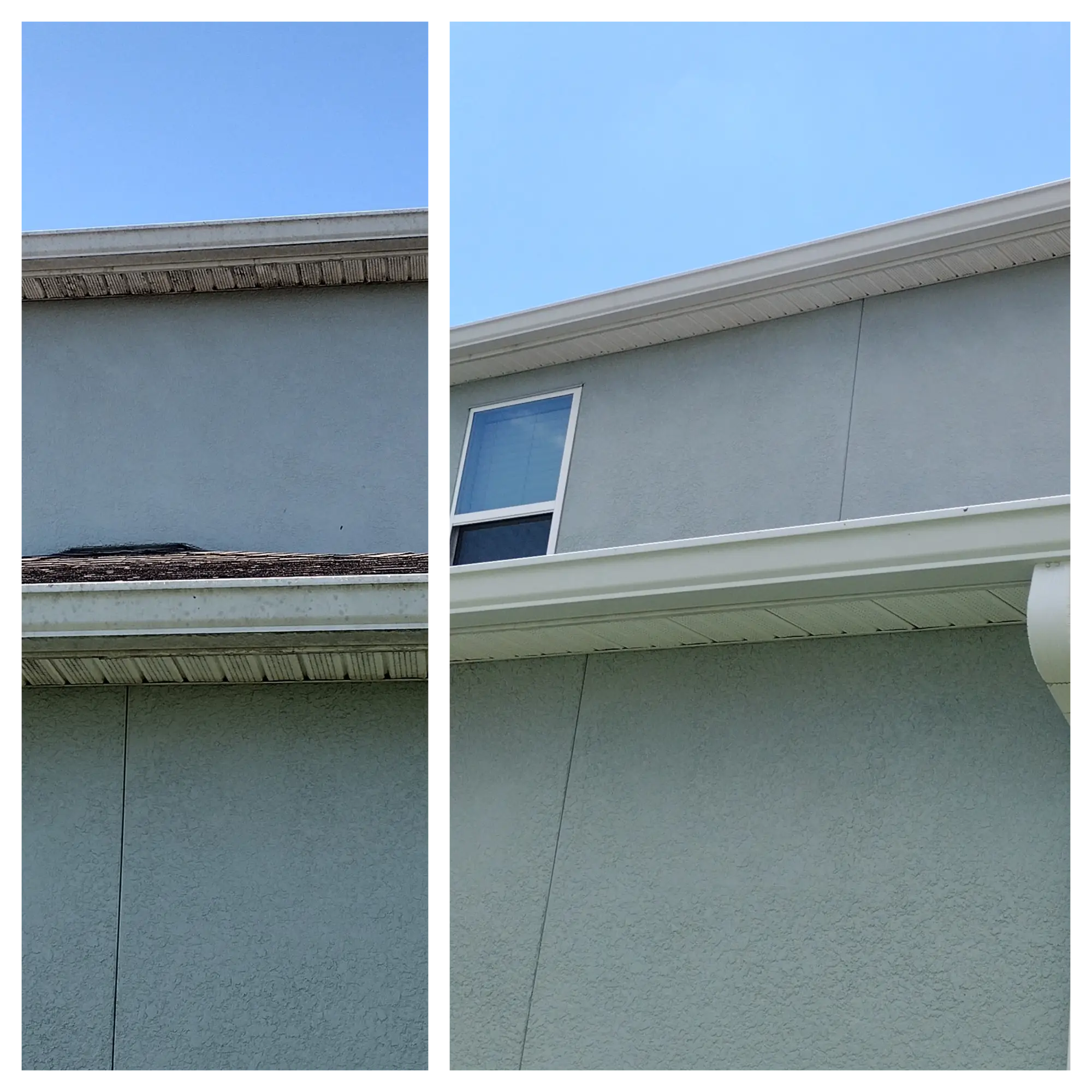
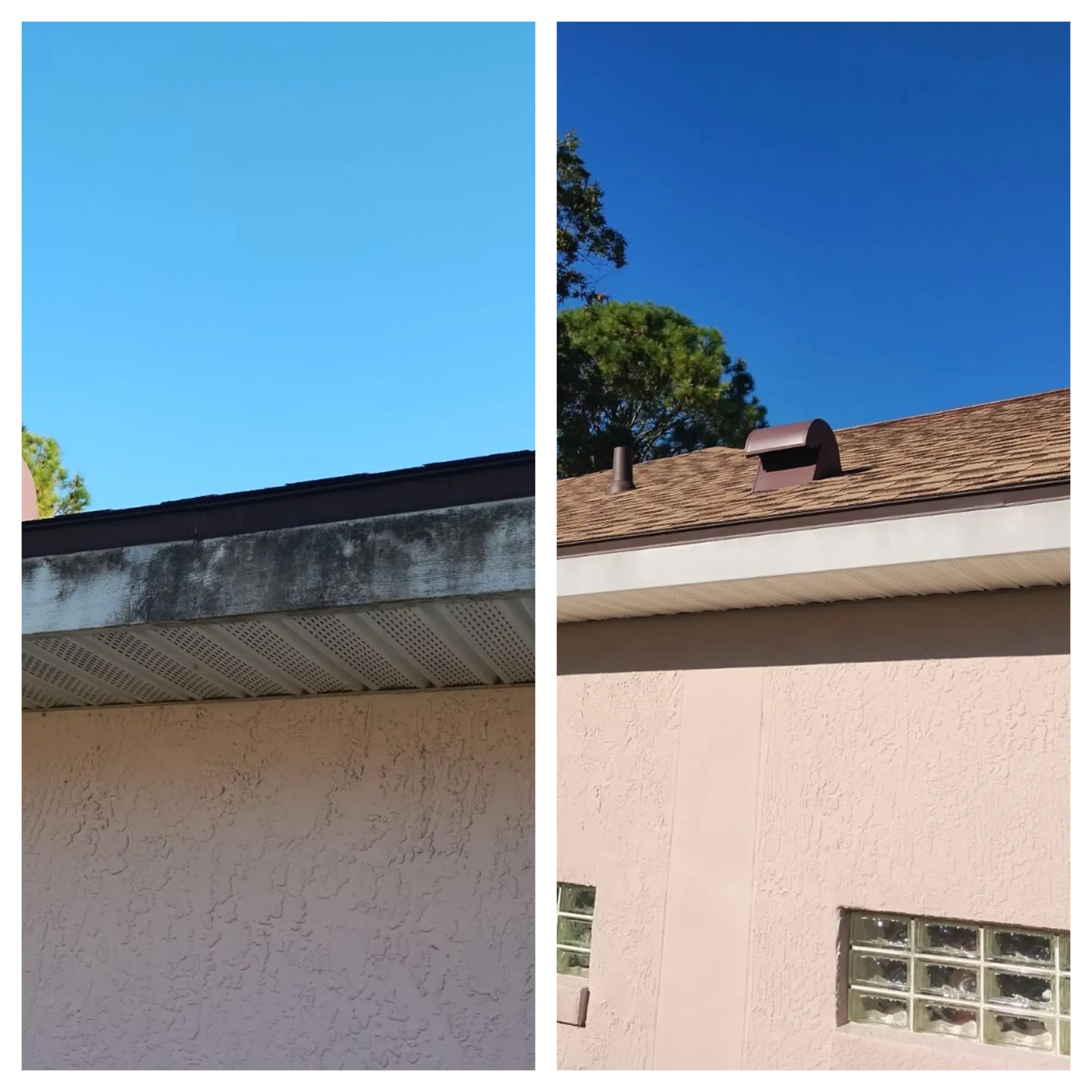
Result: All biological contamination removed. Dark streaks and green growth eliminated. Original stucco color and texture fully visible. Surface is clean without aggregate loss or texture modification.
EIFS (Exterior Insulation and Finish System / Synthetic Stucco)
What it is: Dominant on Florida new construction from the 1990s through the 2010s. Foam insulation board attached to sheathing, covered with fiberglass mesh reinforcing layer, finished with a thin synthetic finish coat typically less than one-eighth inch thick. Brands include Dryvit, Parex, Sto, and others. Visually similar to traditional stucco but significantly more vulnerable to moisture infiltration behind the finish coat and more pressure-sensitive due to the thin finish coat over a foam substrate.
Pressure vulnerability: High. The thin synthetic finish coat has lower impact resistance than cementitious stucco. More critically, any moisture that penetrates behind the finish coat contacts foam insulation board with essentially no drying capacity. EIFS homes should never be cleaned with general exterior cleaning pressure settings. This is the stucco type that generates the most costly post-cleaning damage claims.
Cleaning method: Lowest safe pressure in the soft wash range. Surfactant solution does all biological removal work. Rinse pressure calibrated specifically for EIFS finish coat. All caulking at window and door frames inspected before cleaning and avoided during application. Pre-wash assessment confirms EIFS construction before any solution is applied.
Result: EIFS exterior clean and bright. Biological contamination removed. Finish coat intact. No moisture infiltration risk from the cleaning process. Caulking condition noted and communicated to homeowner for any sections that need attention.
Painted Stucco
What it is: Both traditional cementitious and EIFS exteriors are sometimes painted rather than left with the natural stucco color. Paint on stucco adds a film layer that covers the texture partially or fully depending on paint type and application thickness. Painted stucco is more moisture-resistant than unpainted stucco in some ways but more vulnerable in others: the paint layer can blister, peel, or chalk if high-pressure water penetrates behind it or if cleaning chemistry degrades the paint film.
Pressure vulnerability: Moderate to high depending on paint age and condition. Aged exterior paint on stucco is often chalking or beginning to peel at edges and trim. High pressure accelerates paint failure and can completely remove aged paint from sections of the surface. Even newer paint in good condition can be affected by direct high-pressure wand contact at close range.
Cleaning method: Soft wash with surfactant chemistry selected to clean biological growth without degrading the paint film. Pre-wash assessment of paint condition to identify any areas already showing adhesion failure. Pressure calibrated to remove contamination without lifting paint. Any areas of paint failure noted for homeowner.
Result: Painted stucco surface clean with paint film intact. Biological growth and mildew removed from the paint surface. Any pre-existing paint adhesion issues documented and communicated.
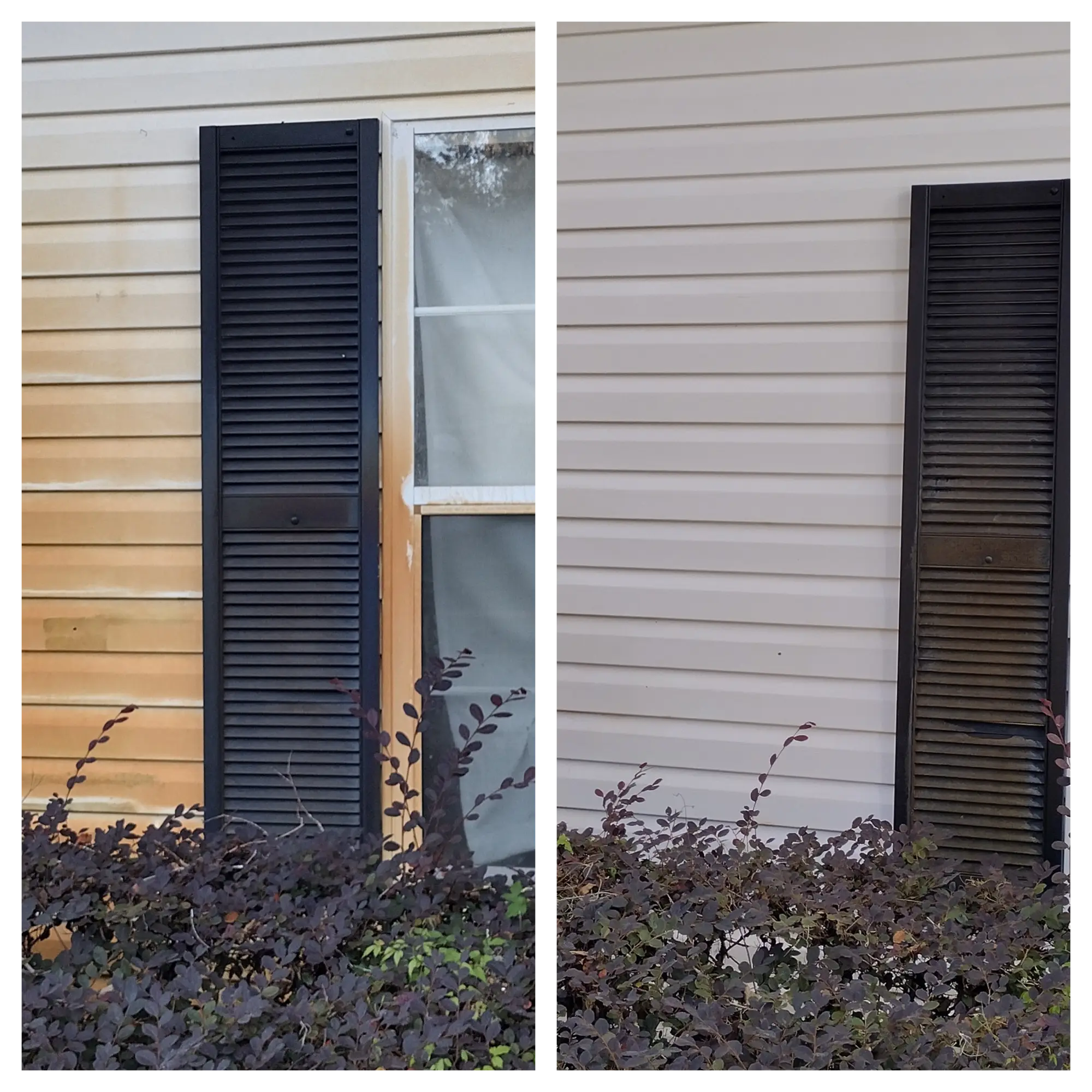
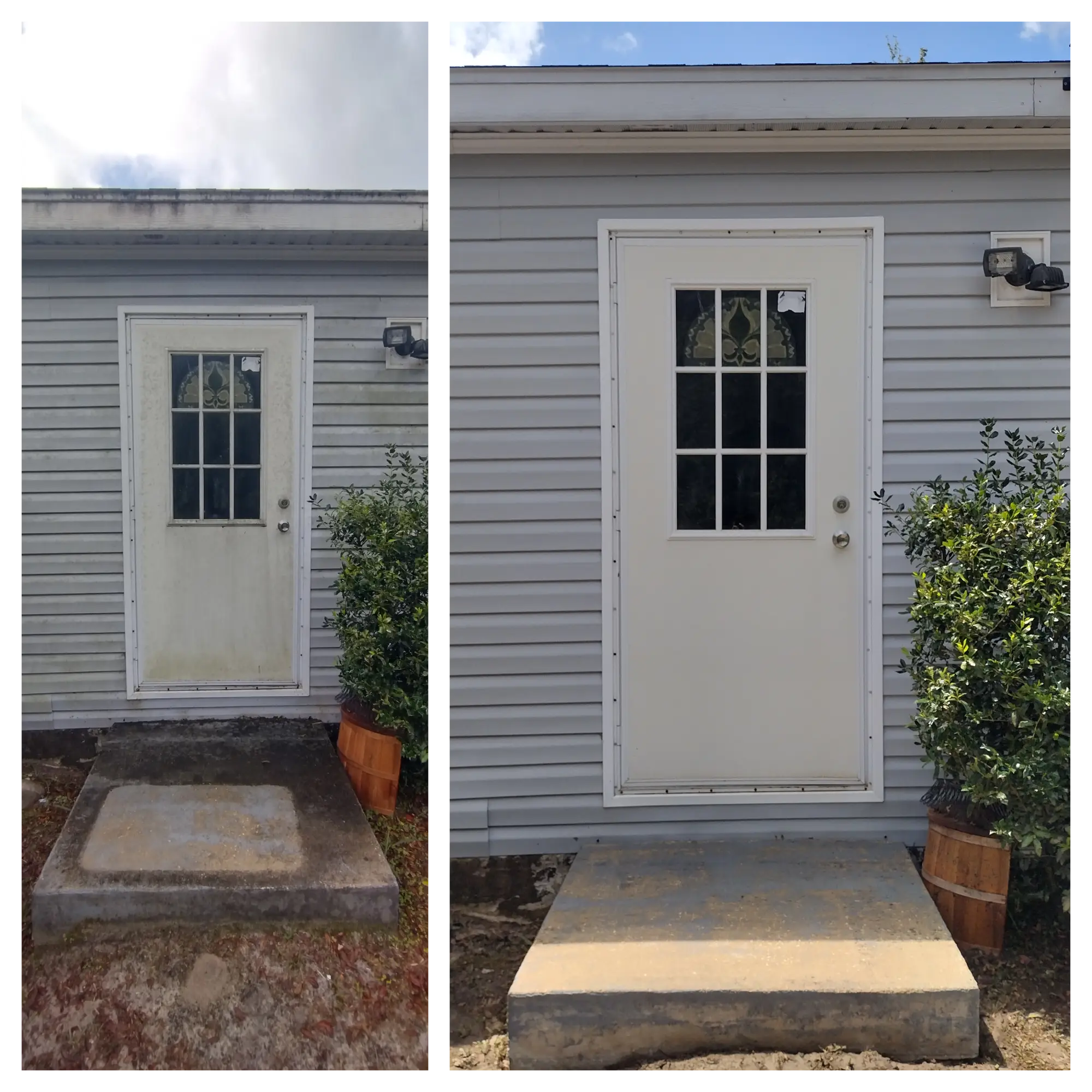
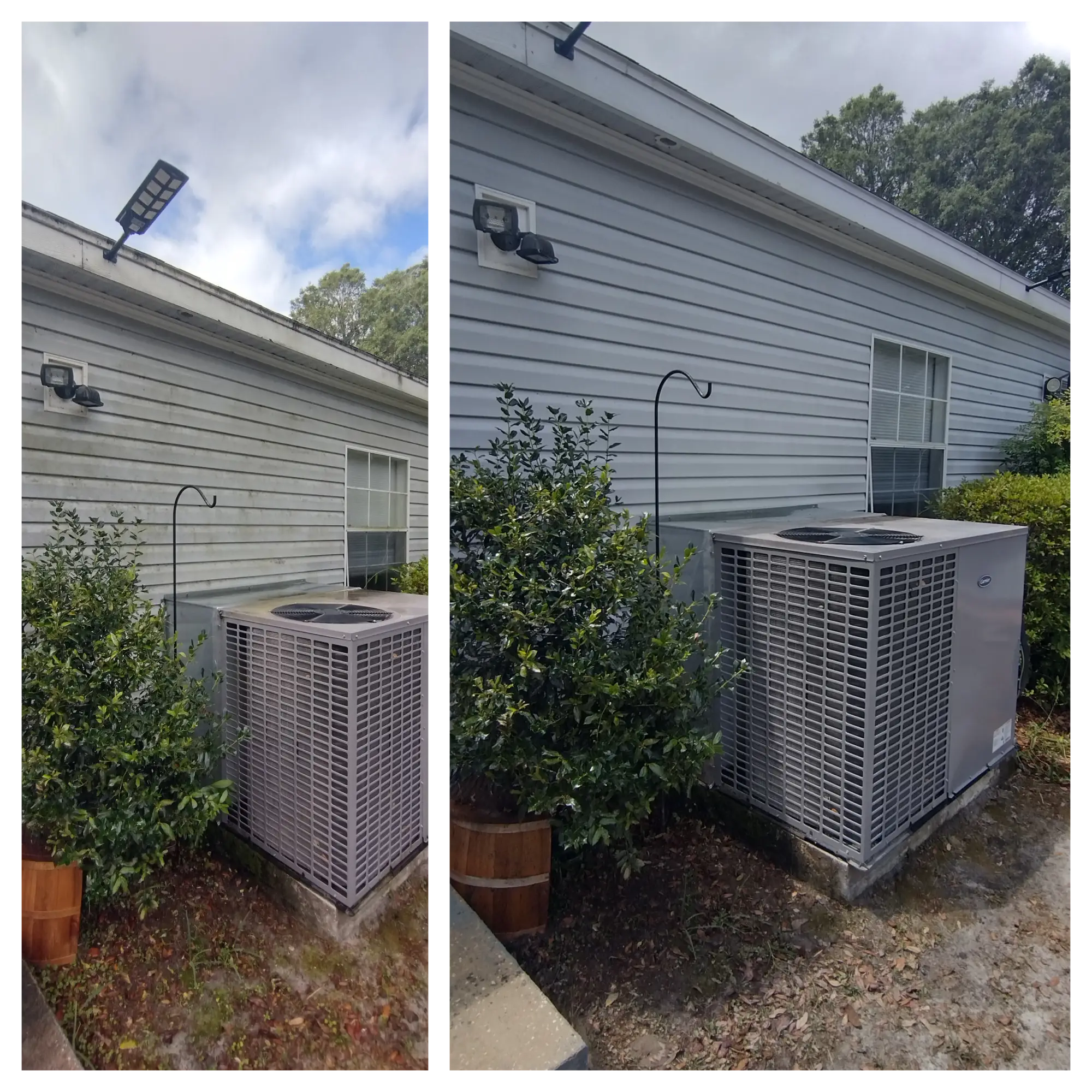
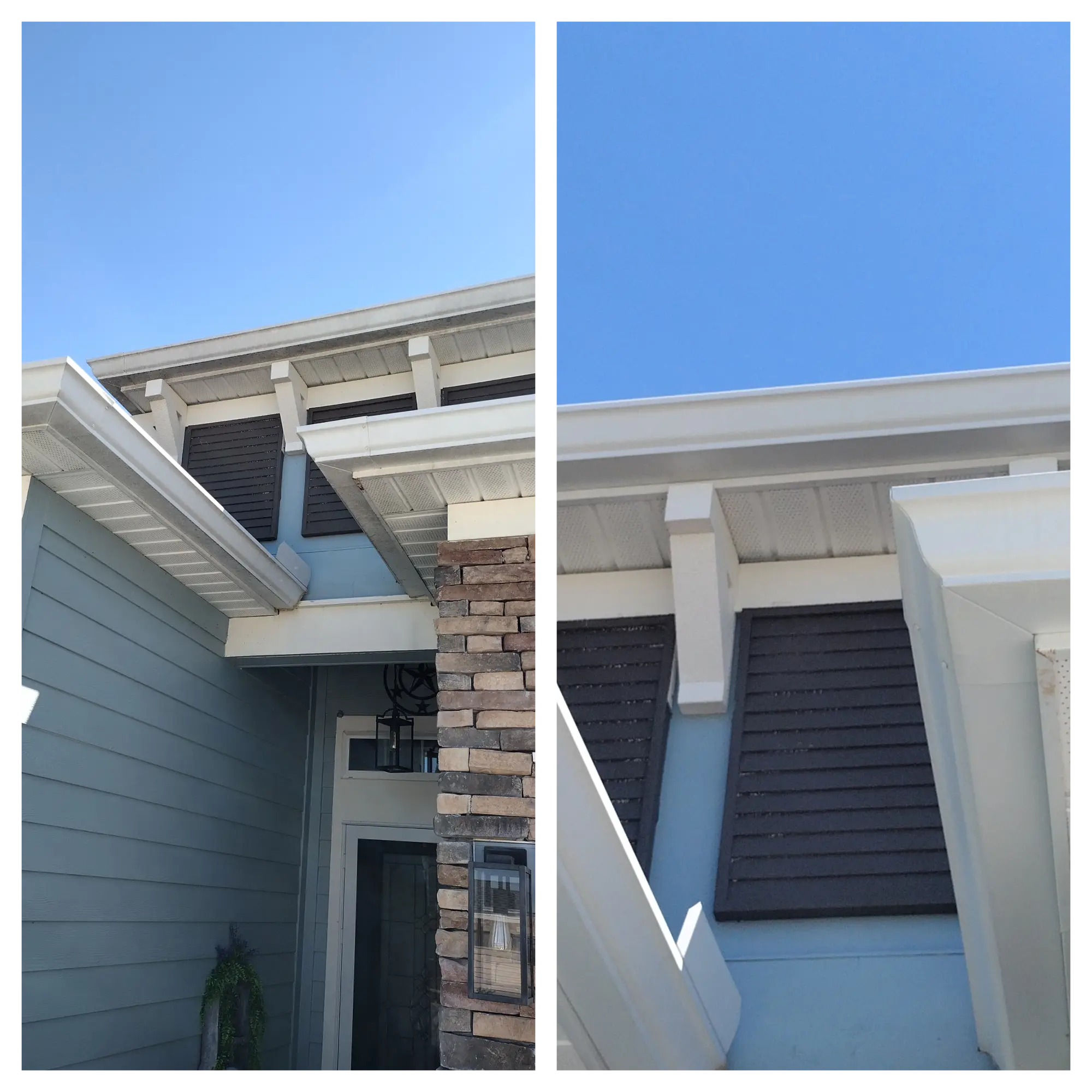
5-Star Rated on Google & Yelp
Trusted by Homeowners Across Marion,
Citrus, Levy & Sumter Counties
Posted on Google
 Brandon Fairley
Trustindex verifies that the original source of the review is Google.
Randy and his team are true pros when it comes to power washing. They take the time to do the job right and treat your property with care. Highly recommend!Posted on Google Chad FilleyDoes and great job, extremely thorough job on a drive way and house.Posted on Google
 Gary StrikerStars and Stripes Power Washing does incredible work. Randy and his crew did an outstanding job on my horse trailer. It looks brand new. He is professional, shows up on time, paid attention to the details, and left everything clean when he finished. I’m a realtor, and I recommend Randy and Stars and Stripes Power Washing to all of my clients who need power washing. Reliable, high quality work every time..Posted on Google
 Gus BlancoWe own Complete Dryer Vent Services LLC and were really impressed with the work these guys performed. I can't believe how dirty my vinyl fence was. A week later and it's still glowing white! Got a good education on how lichen can cause staining and damage protective coating on vinyl fence. These guys know their stuff. They even washed our work trailer! Highly recommend Starr's and Stripes.Posted on Google
 Michael FetchRandy and Mathew from Starr's and Stripes Power Wash did an excellent job on our full house wash. Communication was clear and easy from start to finish, and they took the time to protect the plants and landscaping around the house. Our roof shingles had streaks all over them and now they are completely gone — the roof and house both look amazing. Honestly looks like a brand new home again. I would absolutely recommend them to anyone looking for pressure washing done right.Posted on Google
 Crystal LyonsReally great people! Prompt, courteous and professional while still being personable. Highly recommend!!! Edited to add that we are now repeat customers and our rating hasn't changed a bit! Same promptness, courtesy and professionalism!Posted on Google
 Kevin MckenzieRandy was very professional, friendly and thorough. I would highly recommend Starr's & Stripes Powerwash to anyone needing their home, roof or driveway cleaned.Posted on Google
 Angela NortonStarr's & Stripes PowerWash exceeded my expectations! Randy's team transformed my property, leaving everything spotless and looking brand new. Their attention to detail and dedication to quality are impressive. If you need reliable and thorough exterior cleaning, look no further—these guys are the best in the business!Posted on Google
 Mary RossiAbsolutely the nicest people to deal with and a great job.Posted on Google
 Jeannine PlummerI am a local Realtor, and I love that I can trust Starrs & Stripes to do a great job and with such professionalism that my clients reach out singing their praises after they leave. I highly recommend using this company for all of your power washing needs!
FAQs
Questions About Stucco Cleaning in Ocala
Can pressure washing damage my stucco?
Yes, and it is one of the most common and costly exterior cleaning mistakes in Central Florida. High-pressure washing on stucco causes three types of permanent damage: texture scarring, where aggregate particles are physically removed from the finish coat and cannot be restored; substrate moisture infiltration, where water is forced through hairline cracks and surface voids into the wall cavity; and caulking failure, where pressure directed at window and door frames dislodges or cracks the caulking that manages water infiltration at the most vulnerable points in the exterior envelope. None of this damage is immediately obvious after the wash. The homeowner often discovers it weeks or months later. Professional soft wash cleaning eliminates all three risks by using surfactant chemistry rather than mechanical pressure to remove biological growth.
What is EIFS and do you clean it safely?
EIFS stands for Exterior Insulation and Finish System. It is sometimes called synthetic stucco or by the brand name Dryvit. EIFS looks nearly identical to traditional cementitious stucco from the street but is constructed very differently: a rigid foam insulation board is attached to the wall sheathing, covered with a fiberglass mesh reinforcing layer, and finished with a thin synthetic finish coat typically less than one-eighth inch thick. The foam substrate has no tolerance for moisture infiltration, making EIFS the stucco type most vulnerable to water damage from high-pressure washing. Many general exterior cleaning companies do not distinguish between EIFS and traditional stucco when setting cleaning pressure. We do. Our technicians identify the construction type before cleaning begins and calibrate the process accordingly. EIFS is cleaned at the lowest end of the soft wash pressure range with all caulking inspected and avoided.
How do you remove the dark streaks from my stucco?
The dark vertical streaks on Florida stucco exteriors are caused by Gloeocapsa magma, a photosynthetic bacteria that colonizes both roof materials and exterior wall surfaces throughout the Southeast. It thrives in Florida’s year-round warmth and consistent moisture from the summer rainy season. Standard water rinsing displaces the visible dark film without killing the organism, which is why stucco that has been rinsed or rained on still shows the same streaks. Professional soft wash surfactant treatment kills the bacteria at the root level — specifically the biological colony embedded in the texture pores of the finish coat. When the rinse removes the surfactant, it removes both the visible film and the dead organism. The surface stays clean significantly longer because the source of the contamination has been eliminated rather than relocated.
Will cleaning remove the green growth on the shaded sections of my stucco?
Yes. The green discoloration on shaded exterior wall sections — typically north and east-facing elevations, areas under roof overhangs, sections adjacent to tree canopy — is algae colonization in the stucco texture. Stucco’s textured surface provides more colonization area for algae than smooth siding materials, and shaded sections stay damp longer after rain and dew, creating ideal growing conditions. Soft wash surfactant treatment is formulated specifically to kill algae at the root, not just remove the visible green film. The shaded sections that are typically the most heavily contaminated see the most dramatic visual transformation after a single cleaning visit.
Do you clean painted stucco?
Yes. Both traditional cementitious and EIFS stucco surfaces that have been painted are cleanable with soft wash methods, with some additional considerations. The surfactant chemistry is selected to clean biological contamination without degrading the paint film. The technician does a pre-wash assessment of paint condition to identify any areas already showing adhesion failure, chalking, or peeling — these areas are treated more carefully to avoid accelerating existing paint failure. Any pre-existing paint condition issues observed before cleaning are noted and communicated to the homeowner after the job.
How long does stucco cleaning take?
Most residential stucco exterior cleaning visits are completed in two to four hours depending on the size of the home, the degree of contamination, and whether the home has one or two stories. Homes with significant EIFS construction requiring closer pressure management may take slightly longer because the application technique is more careful. You do not need to be home during the cleaning as long as exterior access and a water connection are available. We can send before and after photos when the work is complete.
How often should I have my stucco cleaned in Florida?
Every twelve to eighteen months is the standard recommendation for most stucco homes in the Ocala area. The specific interval depends on sun exposure, tree canopy coverage, and proximity to water. Homes on lots with heavy oak canopy that keeps the north and east elevations shaded and damp will develop biological growth faster than sun-exposed homes on open lots. Homes near ponds, lakes, or the waterways of the Nature Coast experience elevated ambient humidity that accelerates growth on all elevations. The most reliable indicator is the first visible appearance of dark streaks or green patches, which means biological growth has already established in the texture and professional treatment is overdue rather than proactive.
How much does stucco cleaning cost in Ocala, FL?
Stucco cleaning is priced based on the square footage of the home’s exterior, the number of stories, the stucco type (traditional or EIFS), and the degree of contamination. Most single-story stucco home cleanings in the Ocala area range from 50 to 00. Two-story homes range from 50 to 50. Homes with significant EIFS construction, heavily contaminated surfaces requiring extended surfactant dwell time, or painted stucco with condition issues to work around may be priced higher. Starr’s & Stripes provides a free written estimate before any work begins, including a material assessment that identifies the stucco type. Call or text (352) 230-9299 for a same-day quote.