FLEET WASHING | MOBILE ON-SITE SERVICE | SCHEDULED ACCOUNTS | DELIVERY VANS AND BOX TRUCKS | SERVICE VEHICLES | SEMI-TRACTORS | DECAL AND WRAP SAFE | ALL FOUR COUNTIES
Every Truck on the Road Is Your Brand. Keep It Clean.
Every commercial vehicle in your fleet is a mobile billboard -- and unlike a billboard, it goes to every neighborhood, jobsite, and customer location you serve. A clean, well-maintained fleet signals that your company takes its work seriously. A dirty one signals the opposite to everyone who sees it, including your customers. Professional fleet washing keeps your brand image working as hard as your drivers do.
Reliable Washing for Parking Lots
Managing a commercial fleet means managing the impression your company makes everywhere it operates. Dirty vehicles do not just affect aesthetics — they create customer-facing brand problems before a conversation starts, signal poor maintenance culture to new employees and partners, create DOT compliance exposure when road grime obscures required markings and lighting, and accelerate corrosion and surface deterioration on assets that represent significant capital investment.
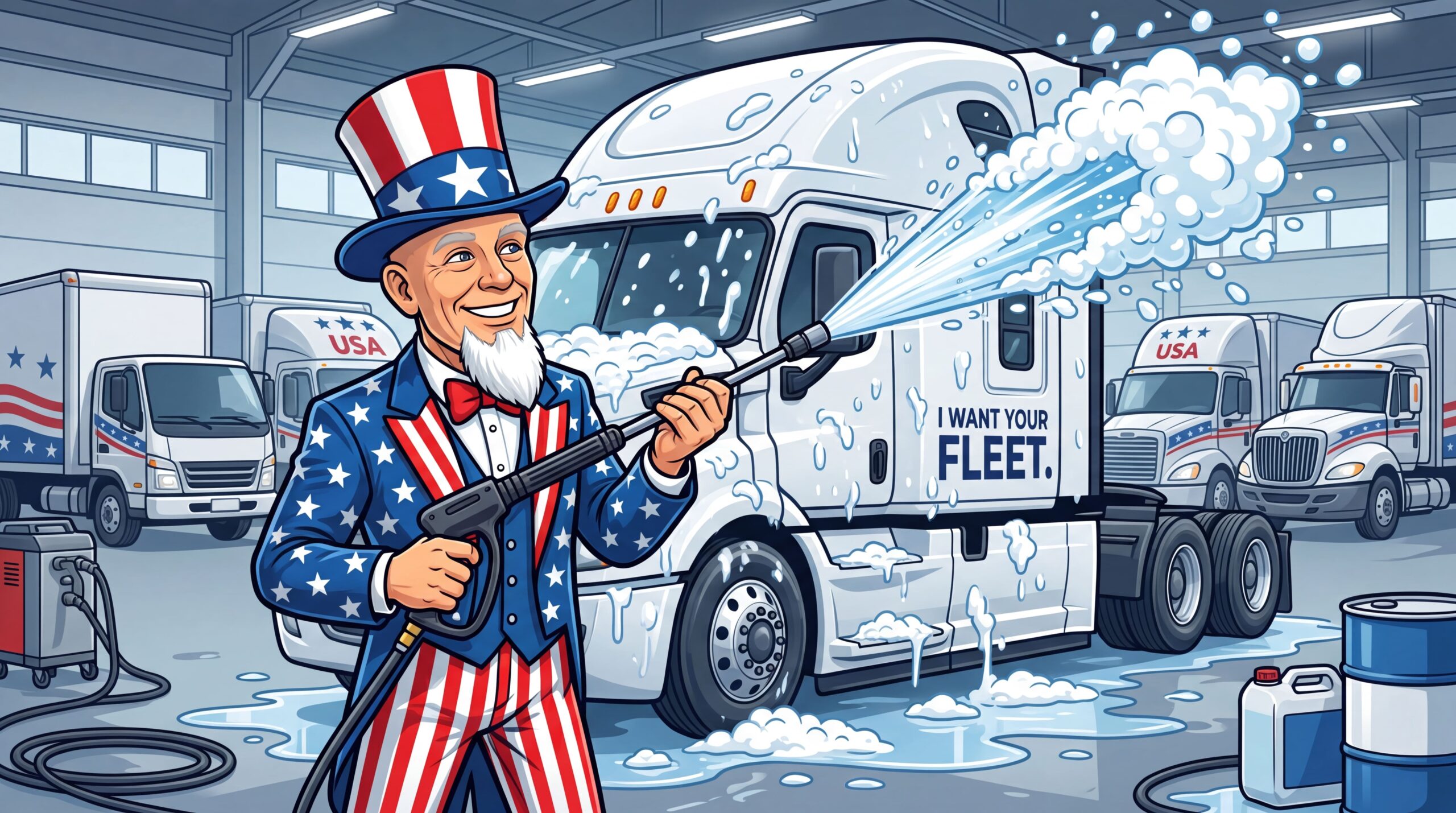
Starr’s & Stripes provides mobile on-site fleet washing for commercial fleets across Marion, Citrus, Levy, and Sumter Counties. We come to your yard, facility, or job site on a scheduled basis that fits your dispatch and operations calendar. Your vehicles get clean while staying in your operational control — no drop-off, no drive time, no waiting at a wash facility.
Fleet Washing Is Not a Cleaning Expense. It Is a Brand, Compliance, and Asset Protection Investment.
Fleet managers who have calculated the actual cost of operating a dirty fleet consistently find that the visible expense of professional washing is smaller than the invisible costs it prevents. Four cost categories apply to every commercial fleet operation regardless of industry or vehicle type.
Brand Impression -- The Customer Sees Your Fleet Before They See Your Work
Business impact: A commercial vehicle driving through a customer’s neighborhood or pulling into a job site is the first physical impression of your company that customer receives. Before a technician knocks on the door, before a salesperson makes a call, before any service is delivered — the vehicle in the driveway or parking lot is communicating your company’s standards. Research on commercial exterior appearance consistently shows that visible maintenance signals — including vehicle cleanliness — affect customer confidence in service quality before any service interaction begins.
Who notices: Your customers notice immediately. Prospective customers who have not yet hired you notice when your vehicles are on their street. Referral partners who see your vehicles in the field notice. Every vehicle in your fleet is making a brand impression dozens of times per day.
Dollar dimension: Customer confidence affects close rates for proposal-driven businesses, service renewal rates for recurring service businesses, and referral frequency for word-of-mouth dependent businesses. The dollar cost of a single lost customer or delayed renewal from a poor brand impression typically exceeds the annual cost of professional fleet washing many times over.
DOT Compliance -- Dirty Vehicles Create Regulatory Exposure
Business impact: The Department of Transportation requires that commercial vehicles maintain clear visibility of required markings: DOT numbers, company name and contact information, USDOT identification, required reflective tape on trailers, and functional lighting. Road grime, mud, and biological growth that accumulate on commercial vehicles can obscure these required markings to the point of creating compliance violations during roadside inspections. Inspectors who observe maintenance deficiencies — including obscured markings — are more likely to conduct thorough inspections that discover additional violations.
Who notices: DOT officers conducting roadside inspections. State commercial vehicle enforcement officers. The FMCSA safety rating system, which tracks inspection records and violations that can affect carrier authority and insurance rates.
Dollar dimension: DOT violations range from fines for individual infractions to out-of-service orders that take vehicles off the road. A pattern of maintenance violations documented in the FMCSA system can increase insurance premiums and complicate carrier authority renewals. The direct cost of a single roadside inspection that results in an out-of-service order for a revenue-generating vehicle is immediate and significant.
Vehicle Asset Longevity -- Grime Is Corrosion in Progress
Business impact: Commercial vehicles represent significant capital investment — a new delivery van costs 5,000 to 0,000, a box truck 0,000 to 20,000, and a semi-tractor 20,000 to 80,000. Road film on commercial vehicles is not just dirt — it is a mixture of road salts, industrial chemicals, biological material, and acidic compounds that actively corrode metal surfaces, attack paint and clear coat, and degrade rubber seals and trim. Accumulation that is not regularly removed creates localized corrosion that progresses unseen under the contamination layer.
Who notices: Your fleet maintenance manager and procurement team notice the maintenance cost trend over time. Your accountant notices the depreciation rate and resale value differential between well-maintained and poorly maintained vehicles at disposal.
Dollar dimension: Accelerated corrosion from inadequate exterior maintenance shortens vehicle service life and reduces resale value. A commercial vehicle that sells for 5,000 less than its clean-maintenance equivalent at end of fleet service life represents a direct loss that compounds across a multi-vehicle fleet.
Employee and Driver Culture -- Vehicles Reflect Company Standards
Business impact: Drivers who operate clean, well-maintained vehicles report higher job satisfaction and greater identification with their company’s professional standards. Drivers who operate vehicles they are visibly embarrassed by — because the vehicle looks neglected — carry that impression into every customer interaction. The physical condition of company assets communicates organizational values to employees as clearly as written policy does.
Who notices: Your drivers and field technicians notice every day. Job applicants who visit your facility and see your fleet in the yard form an immediate impression of whether this is a company that invests in its people and assets. Existing employees notice whether the company maintains the tools they are required to operate.
Dollar dimension: Employee retention in skilled trades and commercial driving is a documented operational challenge. Companies with visible commitment to asset maintenance and professional standards retain skilled employees at higher rates than companies with observable maintenance neglect. Turnover costs in commercial driving and field service roles are substantial.
Mobile Service That Fits Your Fleet's Schedule, Not the Other Way Around.
The operational model of professional mobile fleet washing is designed around one principle: your vehicles stay in your operational control. We come to your location at the time that works for your dispatch schedule. Your drivers arrive to clean vehicles without having spent any operational time at a wash facility. Your fleet stays on your timeline from start to finish.
1
On-Site Service at Your Yard, Facility, or Job Site
What this means: We bring all equipment to your location -- no vehicles need to leave your yard for washing. Service is performed at your facility on the schedule you approve. Early morning before dispatch, midday during operational downtime, or after hours -- the service time is set to minimize disruption to your fleet's operational availability.
Why fleet managers care: Vehicle downtime for washing at an off-site facility represents direct operational cost: the drive time to the wash location, the wait time in the wash queue, and the drive time back -- multiplied by every vehicle in the fleet on every washing cycle. For a fleet of 10 vehicles washed monthly, eliminating a 90-minute round trip per vehicle saves 180 operational hours per year.
vs. drop-off truck wash: Drop-off truck wash facilities operate on their schedule, in their queue. Your vehicles wait. Your drivers transport them. Your operational hours are consumed by a maintenance task that professional mobile service eliminates from your calendar.
2
Scheduled Fleet Accounts -- Reliability You Can Plan Around
What this means: Fleet washing relationships are built on scheduled recurring service, not call-when-needed arrangements. We establish a washing schedule with your fleet manager or operations manager that is consistent, confirmed, and reliable. Monthly, bi-weekly, or weekly washing cycles on agreed service dates give your operations team a predictable maintenance item that does not require active coordination each cycle.
Why fleet managers care: Fleet maintenance planning requires predictable service commitments. An irregular or on-request washing arrangement creates operational friction -- someone has to remember to call, coordinate availability, and manage the scheduling each time. A standing scheduled account removes fleet washing from the active management task list entirely.
vs. drop-off truck wash: Truck wash facilities are transactional -- each visit is a separate interaction without operational relationship. Scheduled mobile fleet washing is a service account with committed dates, consistent service, and a single point of contact for any scheduling adjustments.
3
Decal and Wrap Safe -- Calibrated for Your Vehicles
What this means: Commercial vehicles with vinyl graphics, wraps, full-body advertising, and specialty lettering require specific pressure and chemistry calibration that standard pressure washing does not provide. High-pressure washing above 1,500 PSI on vinyl decals causes edge lifting and delamination. Alkaline chemical pre-soaks applied at full concentration for extended contact time on wrapped vehicles can dull wrap colors and affect adhesion. Every vehicle type in your fleet receives the correct pressure and chemistry for its surface condition.
Why fleet managers care: A branded wrap on a commercial vehicle costs ,000 to ,000 depending on vehicle size and wrap complexity. Replacing damaged graphics is a direct, avoidable expense that responsible fleet washing prevents. Fleet managers with wrapped vehicles need the confidence that their vendor understands and follows the pressure and chemistry calibration that protects the graphics investment.
vs. drop-off truck wash: Automated truck wash brush systems and high-pressure touchless systems are not calibrated for the specific decal and wrap characteristics of individual fleet vehicles. Standard facility washing applies the same treatment to every vehicle type regardless of graphics condition.
4
Environmentally Responsible Wastewater Management
What this means: Wastewater from commercial vehicle washing contains road film, oil residue, and cleaning chemistry that EPA regulations prohibit from entering storm drains. Professional mobile fleet washing requires responsible management of wash water at every service location -- whether through containment equipment, designated wash area drainage, or other approved methods -- to ensure that neither your company nor the property owner incurs environmental compliance liability.
Why fleet managers care: If a washing contractor allows contaminated wash water to enter storm drains at your facility, the EPA can hold your company liable as the property owner -- regardless of whether you or the contractor caused the discharge. Hiring a fleet washing contractor who does not follow wastewater compliance protocol creates environmental liability exposure for your business that the cleaning contract does not indemnify you against.
vs. drop-off truck wash: Many drive-through truck wash facilities have built-in wastewater recovery as part of their physical infrastructure. Mobile fleet washing requires the contractor to bring appropriate wastewater management capability to each job site -- or demonstrate that the service location has approved drainage. Confirm wastewater management protocol before signing any fleet washing agreement.
From Service Vans to Semi-Tractors. We Wash the Fleet That Runs Your Business.
Delivery Vans, Box Trucks, and Cargo Vehicles
Specific cleaning challenge: Delivery and cargo vehicles accumulate road film, diesel exhaust residue, and bug impact at the front surfaces that require specific degreasing chemistry for complete removal. Box truck cargo door tracks and loading dock contact areas develop contamination patterns that standard washing misses. Branded lettering and company graphics on delivery vehicles are high-visibility brand assets that require decal-safe pressure and chemistry.
Our approach: Two-step chemical process: alkaline pre-soak to break down road film and exhaust residue at the front, sides, and wheels, followed by neutral detergent wash and rinse. Pressure calibrated to protect branded graphics. Box truck cargo door tracks and lower panel contact zones receive focused attention as accumulation zones.
Common industries served: Food and beverage distribution, medical supply, e-commerce delivery, courier services, healthcare and pharmacy delivery, building supply and hardware distribution.
Service Vehicles, Branded Vans, and Company Trucks
Specific cleaning challenge: Service vehicles — HVAC, plumbing, electrical, landscaping, pest control — carry the company brand to residential and commercial customer locations multiple times per day. They are the most customer-facing vehicles in any service company’s fleet and the vehicles most likely to be parked in a customer’s driveway or commercial parking lot where appearance creates a direct brand impression. Ladder racks, equipment compartments, and tool storage areas on service vehicles accumulate contamination that standard exterior washing does not reach.
Our approach: Exterior wash with attention to ladder rack connections, equipment compartment door frames, and lower body panels where tool and equipment loading creates contact contamination. Branded surface areas — vehicle graphics, magnetic signs, permanently lettered panels — receive decal-safe treatment throughout.
Common industries served: HVAC and mechanical contractors, plumbing and electrical contractors, pest control and lawn care, home health and medical transport, property management and maintenance services.
Semi-Tractors and Commercial Trailers
Specific cleaning challenge: Semi-tractors accumulate the heaviest road film contamination of any vehicle type — diesel exhaust residue, road tar, industrial chemicals, and bug impact on grille and hood surfaces that require aggressive degreasing chemistry to remove completely. Chrome and polished aluminum surfaces on tractors require specific chemistry to avoid oxidation. Trailer exteriors require full-length washing coverage including roof sections and undercarriage areas that standard passenger vehicle washing does not address.
Our approach: Two-step alkaline and acid process for heavy road film removal on cab surfaces. Chrome and polished aluminum surfaces receive chemistry appropriate for metal brightening without oxidation. Trailer exterior washing with coverage from front face to rear doors including roof-line access areas.
Common industries served: Long-haul and regional trucking, agricultural equipment transport, construction material hauling, moving and logistics companies, refrigerated transport.
Construction Equipment, Heavy Vehicles, and Specialty Fleet
Specific cleaning challenge: Construction vehicles — dump trucks, concrete mixers, boom lifts, skid steers — accumulate cement, mud, and construction material contamination that requires high-volume washing and specific chemistry to remove completely. Concrete hardened on truck barrels and equipment surfaces requires treatment chemistry beyond standard vehicle washing detergent. Equipment with hydraulic systems and engine bay proximity requires pressure and chemistry calibration that avoids component damage.
Our approach: High-pressure high-volume washing appropriate for heavy construction contamination. Concrete and masonry residue treatment where applicable. Engine bay and mechanical component proximity zones receive appropriate pressure distance and chemistry selection to avoid damage to seals, electrical components, and fluid reservoirs.
Common industries served: General contractors, concrete and masonry contractors, earthwork and grading companies, waste management and recycling, municipal and county fleet operations.
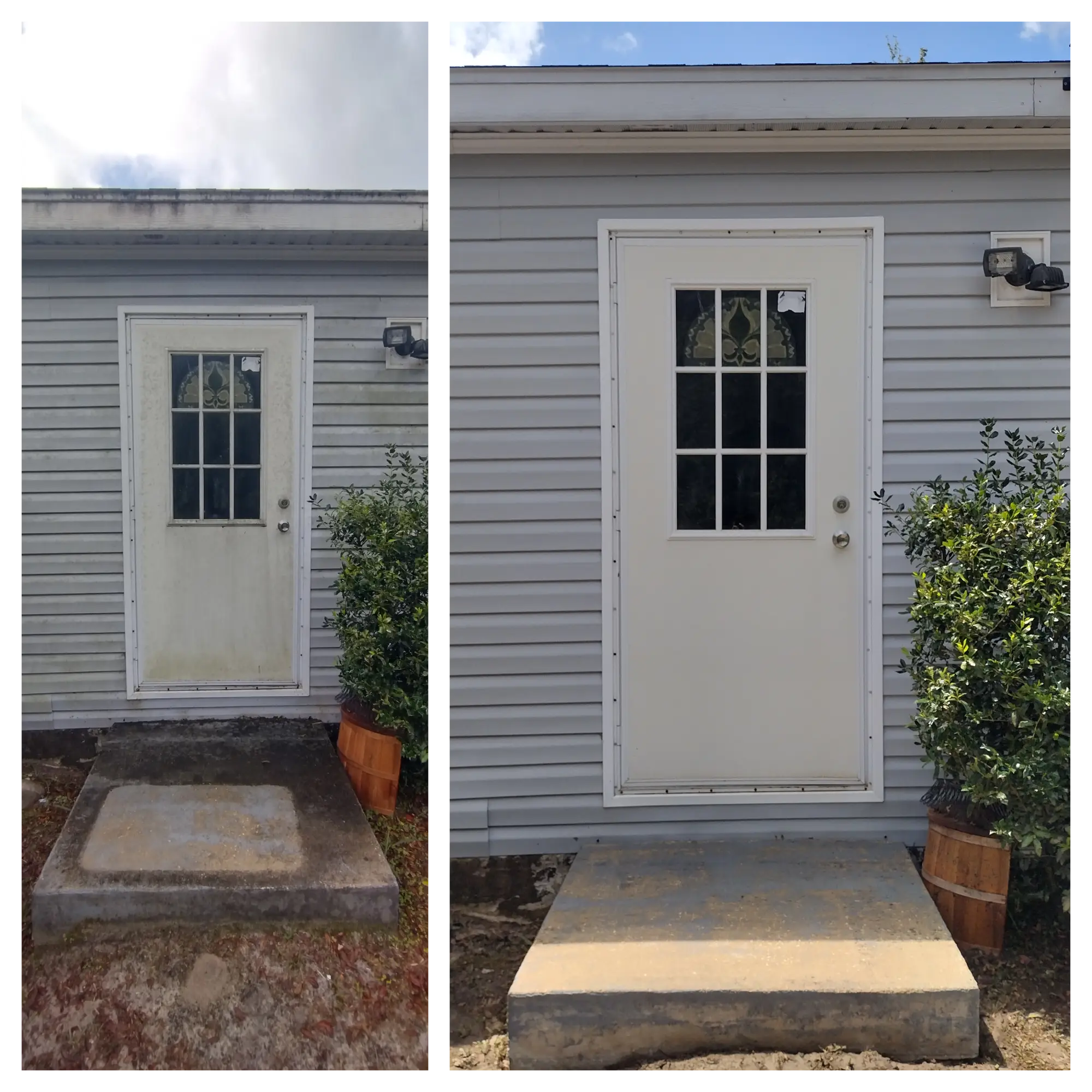
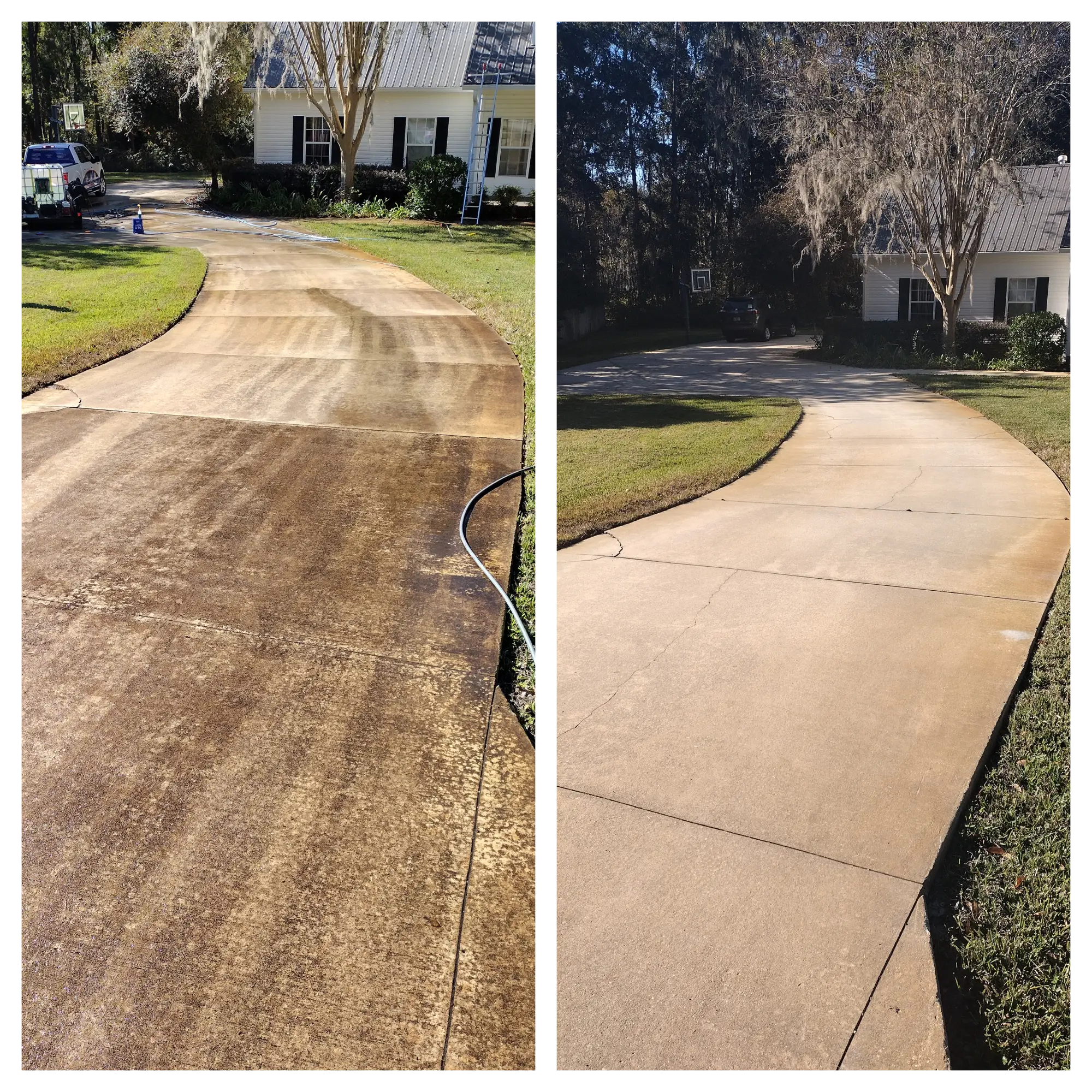
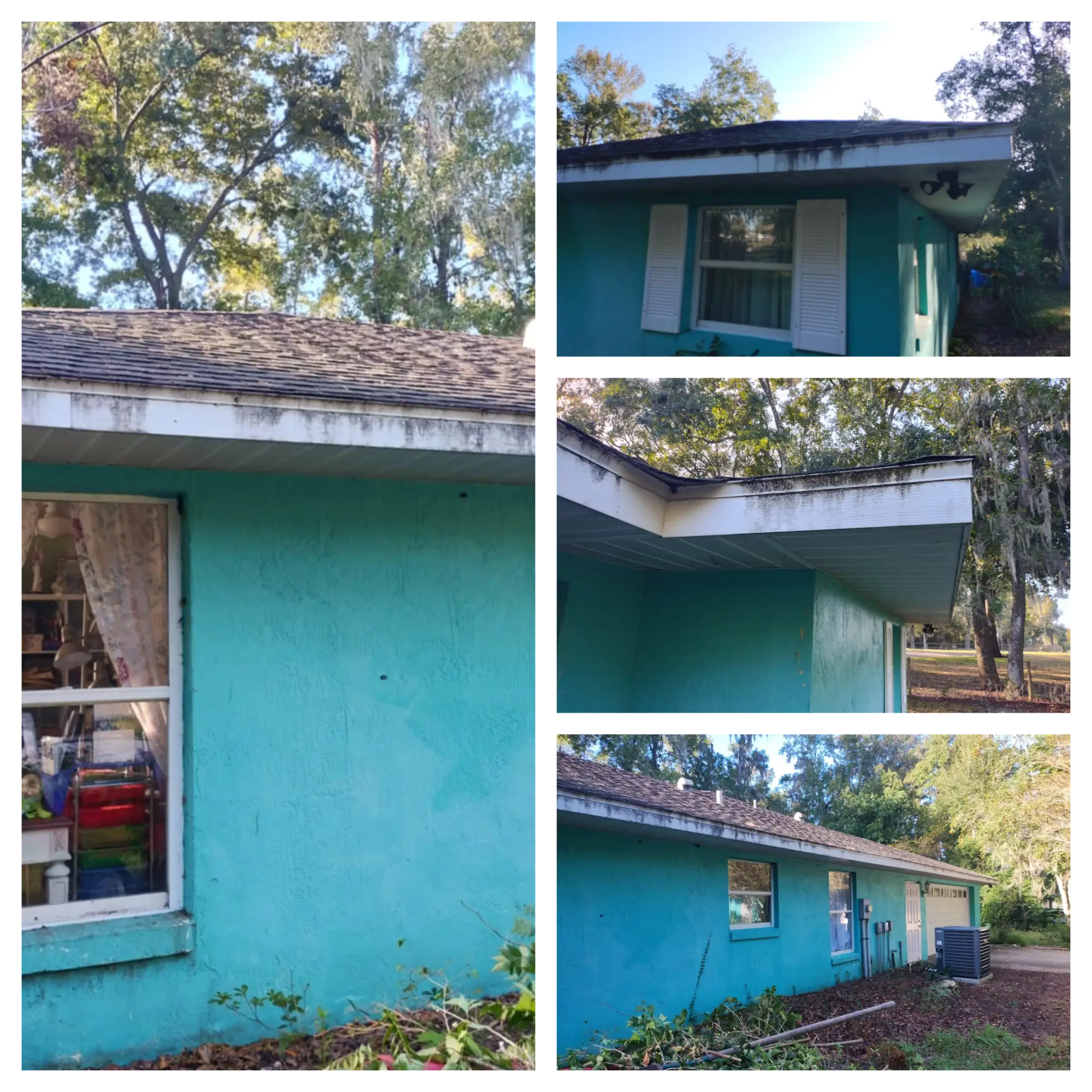
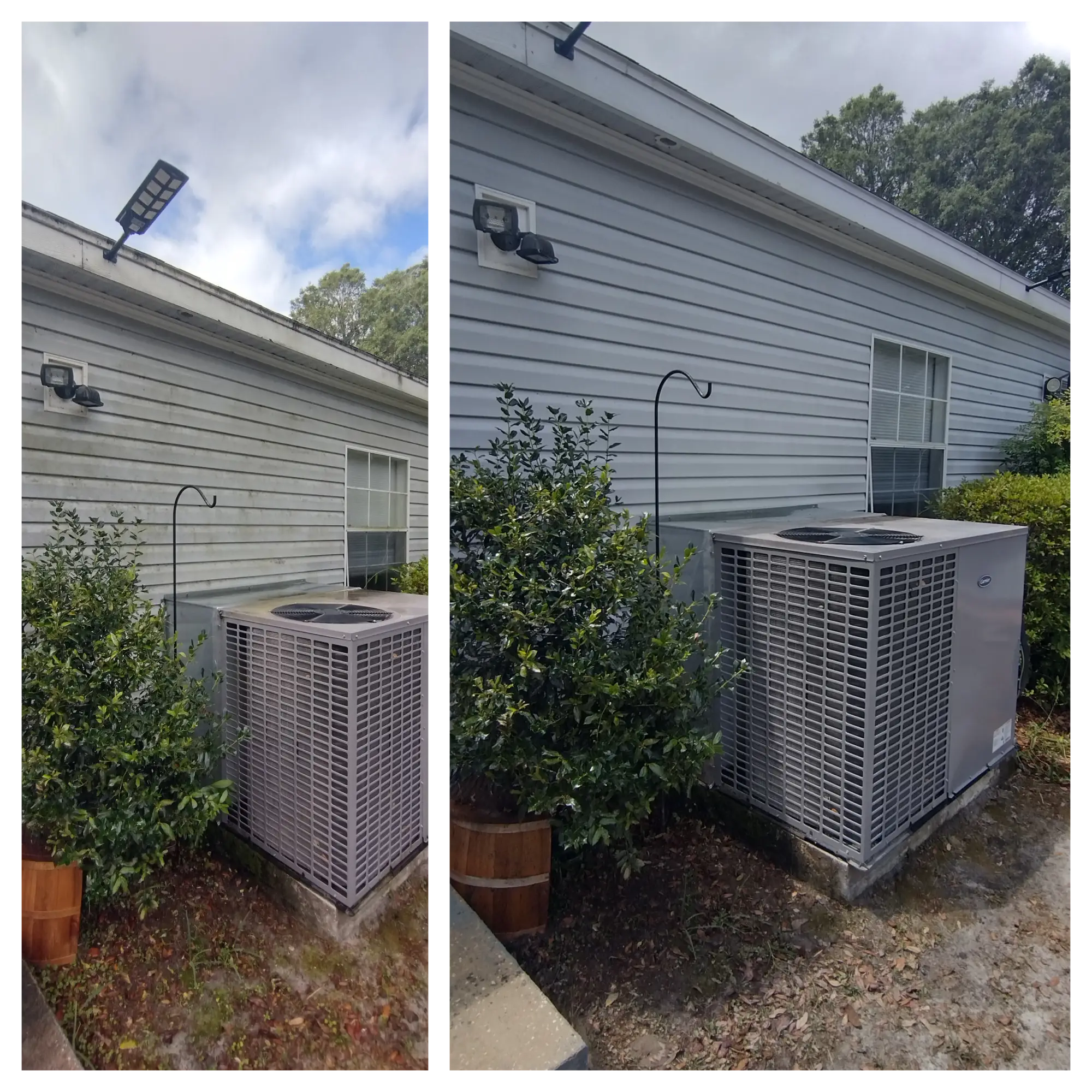
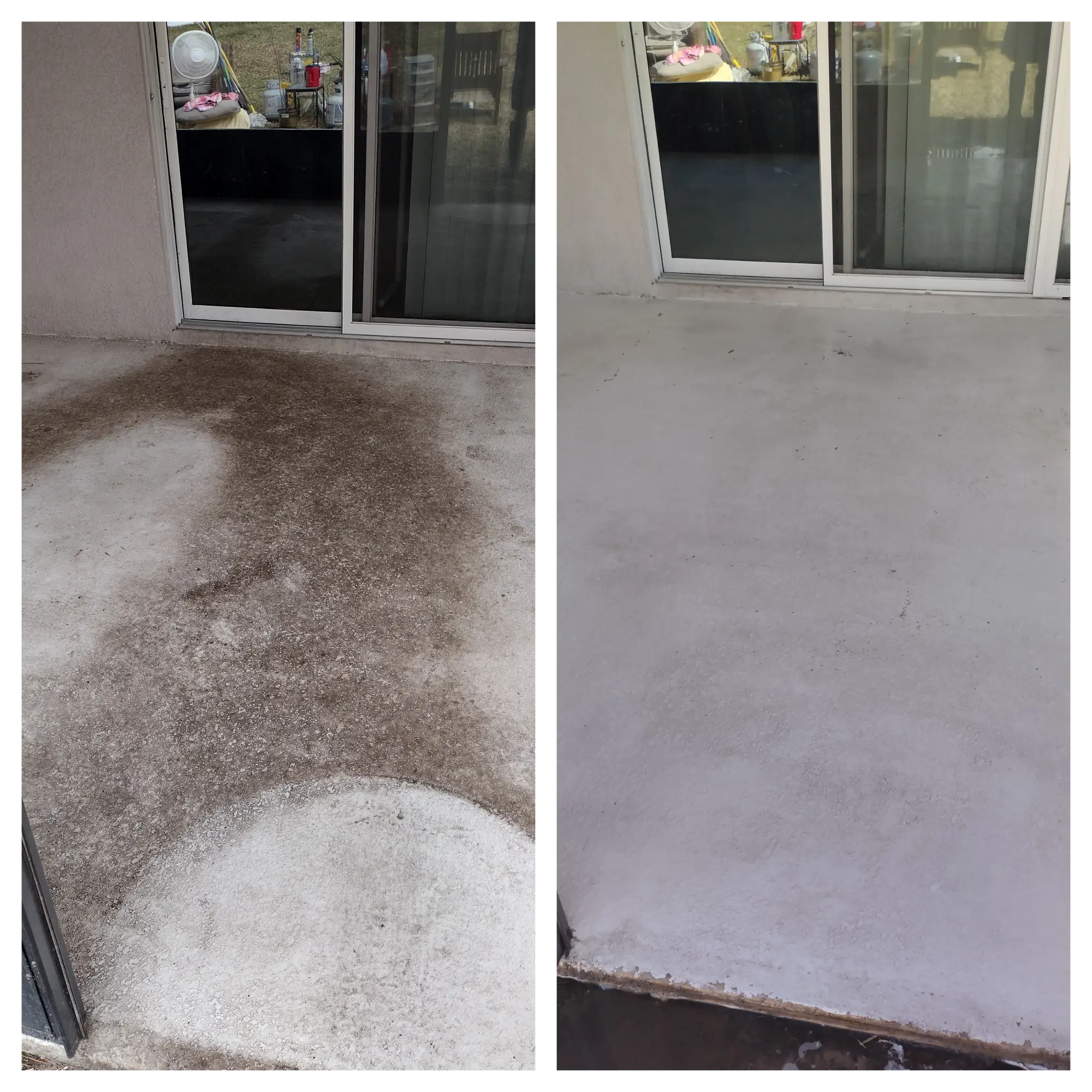
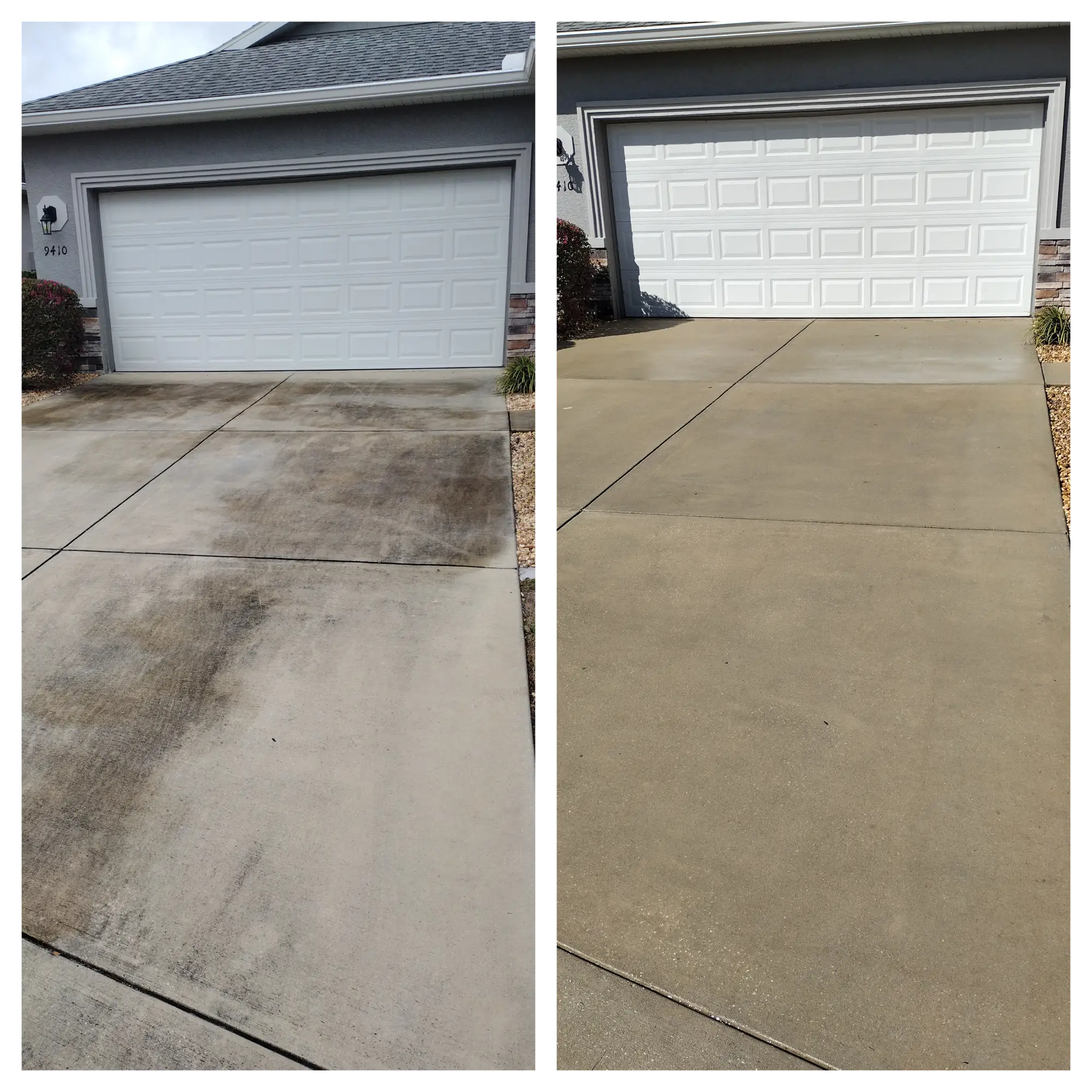
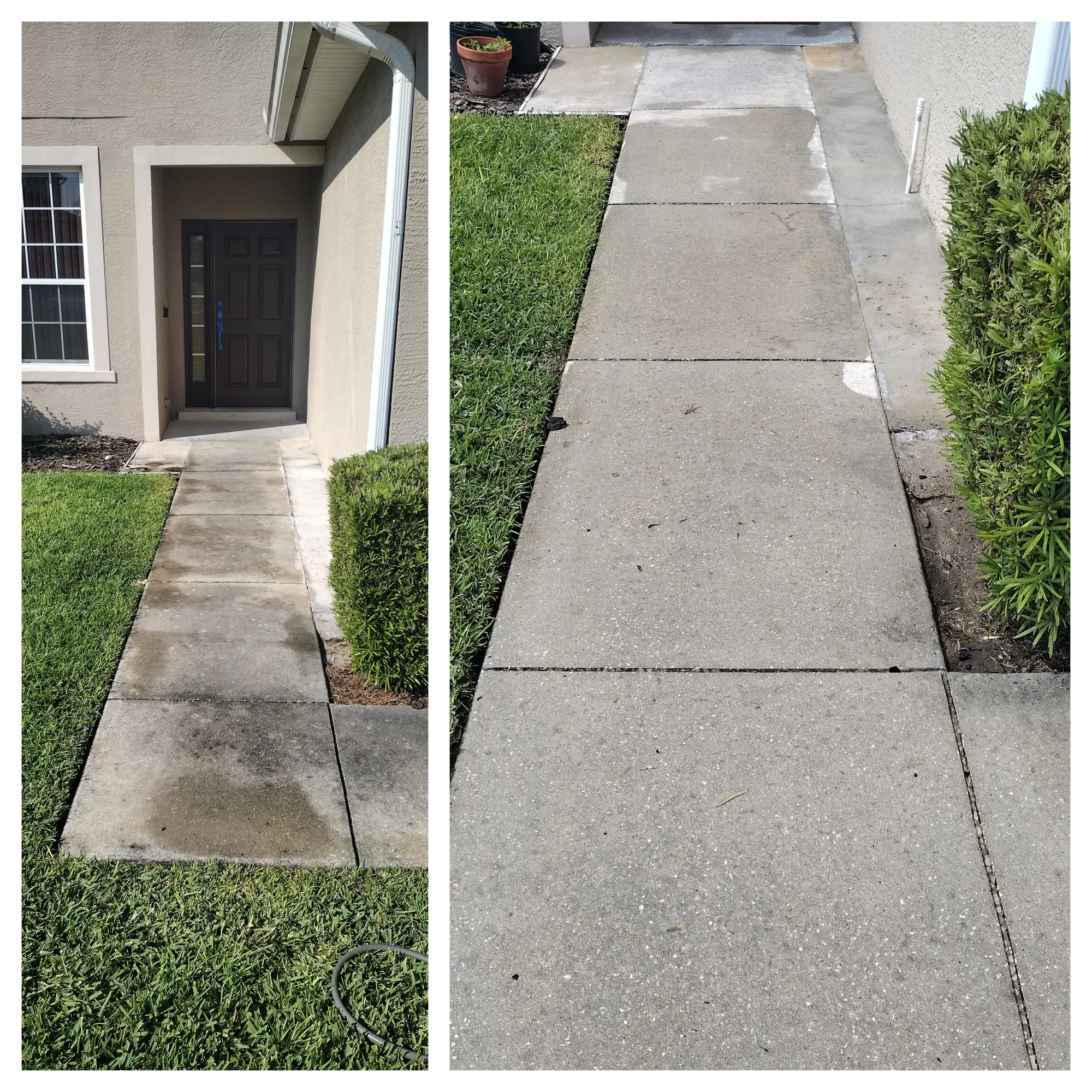
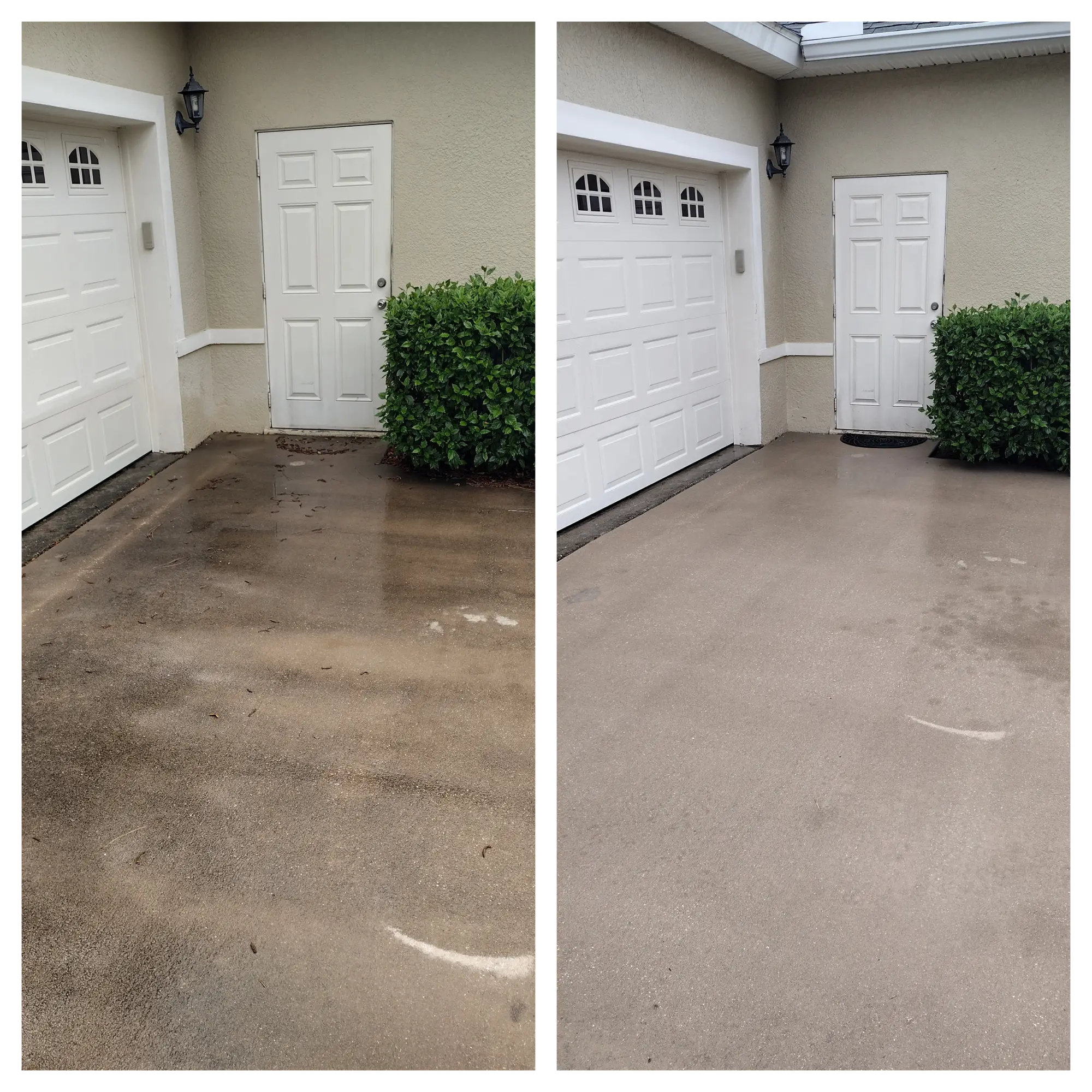
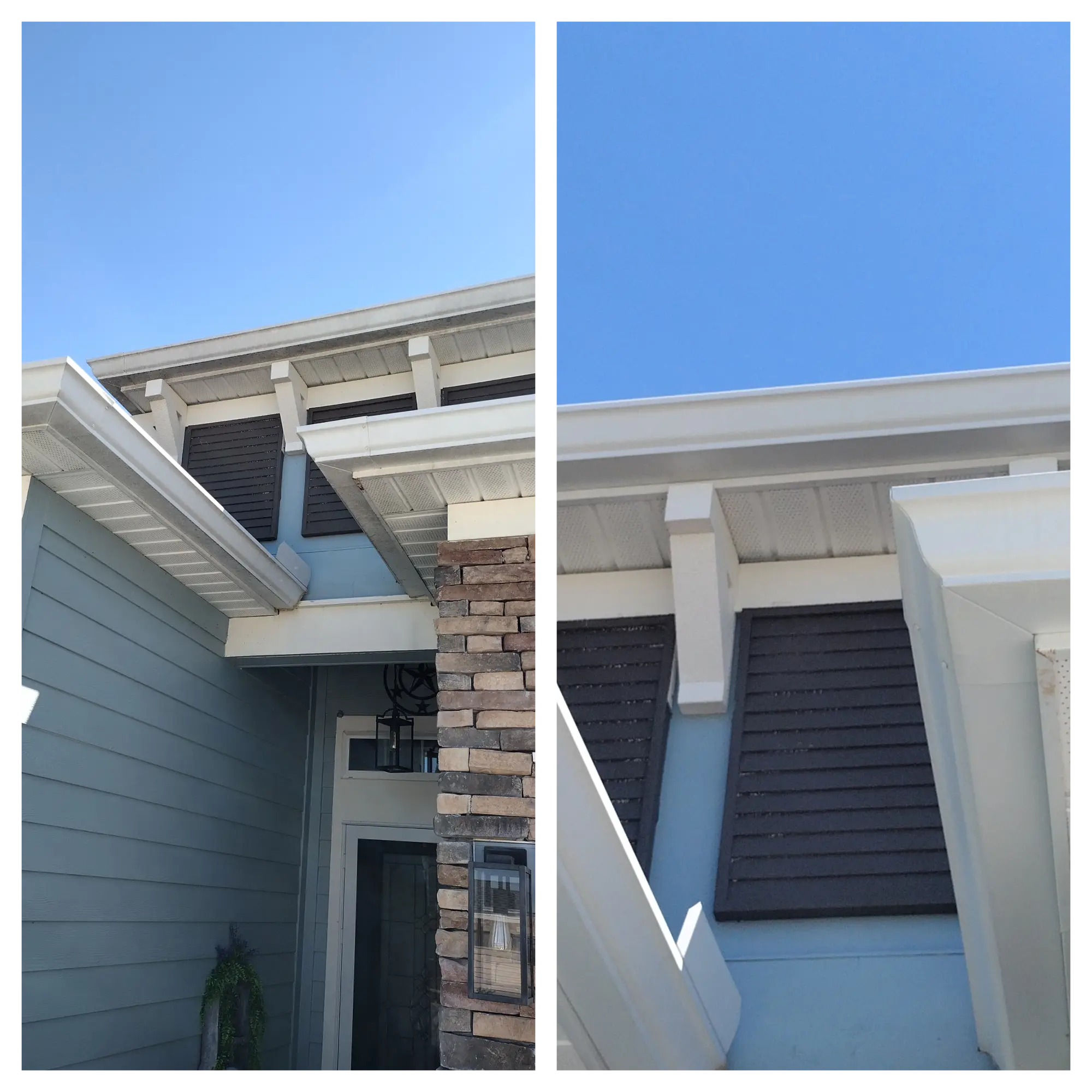
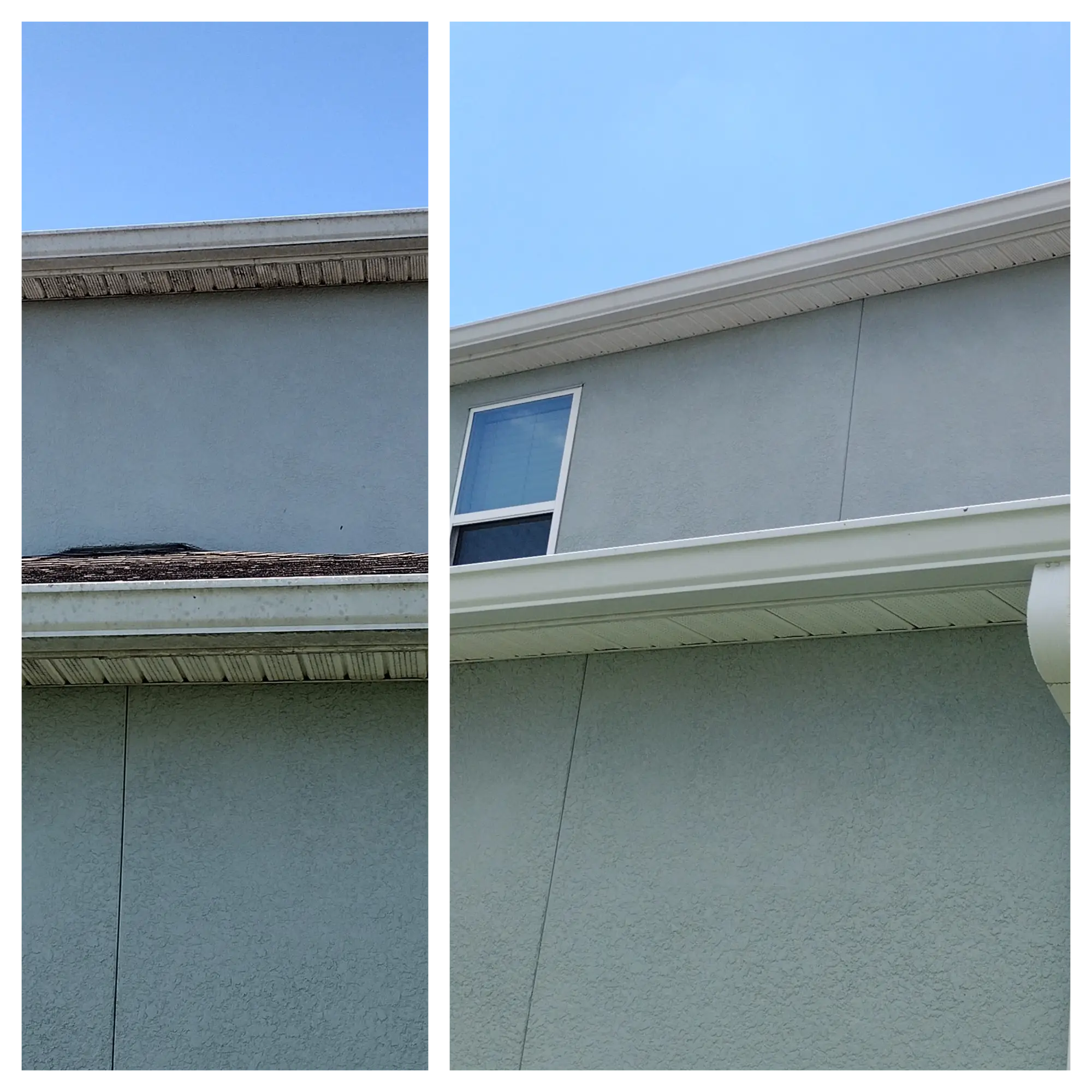
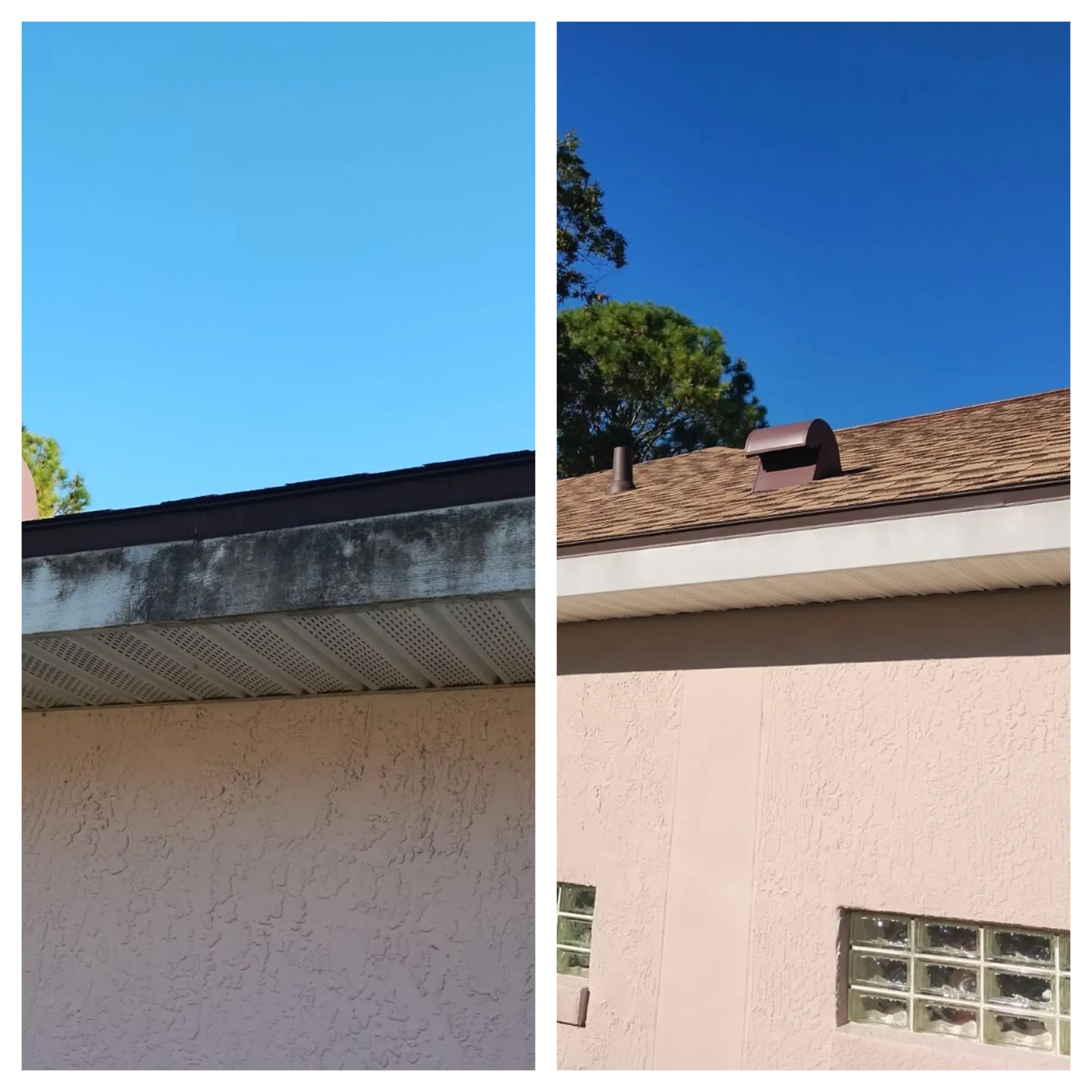
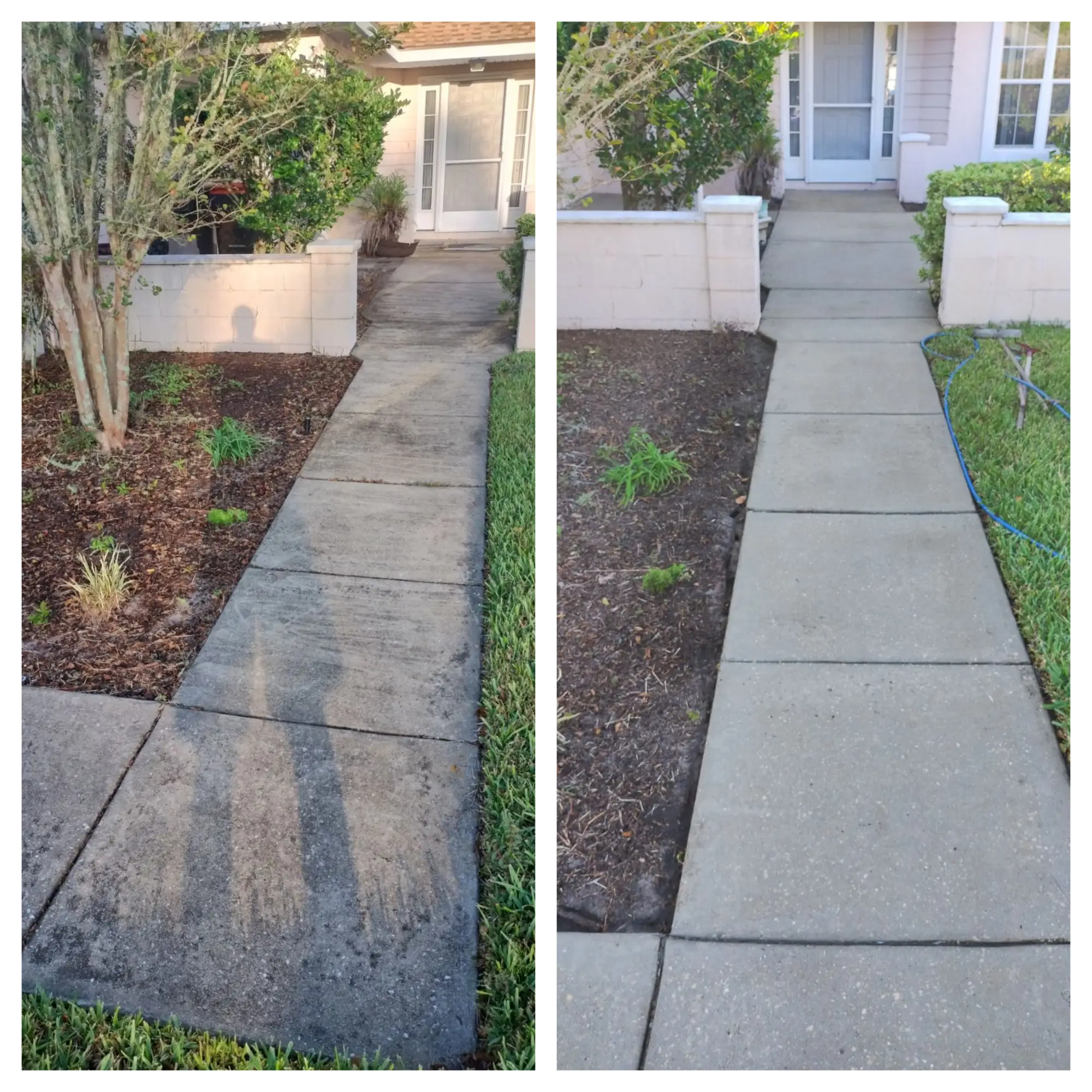
5-Star Rated on Google & Yelp
Trusted by Homeowners Across Marion, Citrus, Levy & Sumter Counties
Posted on Google
 Brandon Fairley
Trustindex verifies that the original source of the review is Google.
Randy and his team are true pros when it comes to power washing. They take the time to do the job right and treat your property with care. Highly recommend!Posted on Google Chad FilleyDoes and great job, extremely thorough job on a drive way and house.Posted on Google
 Gary StrikerStars and Stripes Power Washing does incredible work. Randy and his crew did an outstanding job on my horse trailer. It looks brand new. He is professional, shows up on time, paid attention to the details, and left everything clean when he finished. I’m a realtor, and I recommend Randy and Stars and Stripes Power Washing to all of my clients who need power washing. Reliable, high quality work every time..Posted on Google
 Gus BlancoWe own Complete Dryer Vent Services LLC and were really impressed with the work these guys performed. I can't believe how dirty my vinyl fence was. A week later and it's still glowing white! Got a good education on how lichen can cause staining and damage protective coating on vinyl fence. These guys know their stuff. They even washed our work trailer! Highly recommend Starr's and Stripes.Posted on Google
 Michael FetchRandy and Mathew from Starr's and Stripes Power Wash did an excellent job on our full house wash. Communication was clear and easy from start to finish, and they took the time to protect the plants and landscaping around the house. Our roof shingles had streaks all over them and now they are completely gone — the roof and house both look amazing. Honestly looks like a brand new home again. I would absolutely recommend them to anyone looking for pressure washing done right.Posted on Google
 Crystal LyonsReally great people! Prompt, courteous and professional while still being personable. Highly recommend!!! Edited to add that we are now repeat customers and our rating hasn't changed a bit! Same promptness, courtesy and professionalism!Posted on Google
 Kevin MckenzieRandy was very professional, friendly and thorough. I would highly recommend Starr's & Stripes Powerwash to anyone needing their home, roof or driveway cleaned.Posted on Google
 Angela NortonStarr's & Stripes PowerWash exceeded my expectations! Randy's team transformed my property, leaving everything spotless and looking brand new. Their attention to detail and dedication to quality are impressive. If you need reliable and thorough exterior cleaning, look no further—these guys are the best in the business!Posted on Google
 Mary RossiAbsolutely the nicest people to deal with and a great job.Posted on Google
 Jeannine PlummerI am a local Realtor, and I love that I can trust Starrs & Stripes to do a great job and with such professionalism that my clients reach out singing their praises after they leave. I highly recommend using this company for all of your power washing needs!
FAQs
Fleet Washing Questions From Ocala Fleet Managers and Business Owners
How do you handle wastewater when washing at our facility?
EPA regulations prohibit contaminated wash water from entering storm drains, and property owners share liability for violations that occur on their premises. Professional mobile fleet washing requires responsible wastewater management at every service location. Before scheduling fleet washing at any facility, we confirm the wastewater management approach appropriate for that site — whether through containment equipment, designated wash area drainage, or other compliant method. We will confirm our specific wastewater management protocol and the site requirements when scheduling a fleet washing account. Call (352) 230-9299 to discuss your facility’s specific drainage situation.
How do you price fleet washing -- per vehicle or by the job?
Fleet washing pricing is structured per vehicle based on vehicle type and size, with scheduled account pricing that provides a consistent per-cycle cost for fleet management and accounting purposes. Light commercial vehicles including service vans and pickup trucks are priced in one range; medium commercial vehicles including box trucks and larger delivery vehicles in another; heavy commercial including semi-tractors and trailers in a higher range. Scheduled fleet accounts with a committed vehicle count and service frequency receive account pricing that reflects the operational efficiency of consistent recurring service. We provide a written fleet washing proposal with per-vehicle pricing and total per-cycle and annual cost estimates after an on-site consultation. Call (352) 230-9299 to schedule a fleet assessment.
How often should commercial vehicles be washed?
Service frequency depends on vehicle type, industry, and brand standards. Vehicles that are customer-facing and make multiple residential or commercial stops per day — HVAC, plumbing, electrical, delivery — benefit from bi-weekly or monthly washing to maintain a consistently professional appearance. Heavy commercial vehicles including delivery trucks and semi-tractors that operate on highways accumulate road film faster and typically benefit from washing every two to four weeks. Construction and heavy equipment that operates in muddy or concrete-contaminated environments may need washing more frequently during active project periods. We recommend starting with a monthly schedule and adjusting based on your satisfaction with the fleet’s appearance between service cycles.
Can you wash vehicles with vinyl wraps and custom graphics?
Yes. Vinyl wraps and custom graphics require specific pressure and chemistry calibration to prevent edge lifting, color dulling, and delamination. We wash wrapped vehicles at pressure levels appropriate for vinyl surfaces — generally below 1,500 PSI in the graphic areas — and use chemistry that is safe for vinyl adhesive and wrap film. The investment in a commercial vehicle wrap is significant, and protecting it through proper washing technique is standard professional practice for fleet washing. If your vehicles have specialty wraps, chrome finishes, or other surface treatments that require specific handling, let us know when scheduling so we can confirm our approach for your specific fleet.
What areas of the vehicle does fleet washing cover?
Standard fleet exterior washing covers the full exterior of each vehicle: cab or body exterior including hood, doors, and roof where accessible; front surfaces including grille, bumper, and windshield where road film and bug impact accumulate most heavily; side panels and lower body including wheel wells; rear surfaces including cargo doors and trailer faces. Undercarriage washing is available as an add-on for fleets with specific corrosion or contamination concerns. Engine bay cleaning is available as a separate service for vehicles where engine compartment condition is a maintenance or inspection priority. Let us know what your fleet requires and we will include it in the service proposal.
Can you service our fleet at our location rather than a wash facility?
Yes — on-site service at your yard, facility, or job site is our standard operating model for fleet accounts. We bring all equipment to your location, service vehicles during the hours that work for your operations schedule, and leave your property with zero vehicle downtime from wash facility transportation. Early morning before dispatch, midday during downtime, and after-hours service are all available depending on your operational needs. We confirm the site requirements — water access, space for equipment, drainage situation — before the first service date.
Does regular washing help with DOT compliance?
Yes. The Department of Transportation requires commercial vehicles to maintain clear visibility of required markings: DOT numbers, company identification, required reflective tape on trailers, and functional lighting. Road grime and mud accumulation that obscures these markings creates compliance exposure during roadside inspections. Regular washing ensures that required markings remain clearly visible. DOT inspectors who observe maintenance deficiencies are more likely to conduct thorough inspections — a clean, well-maintained appearance reduces the probability of extended inspection scrutiny. Regular washing is one of the most straightforward maintenance practices that supports DOT compliance readiness.
How do I set up a scheduled fleet washing account?
Contact us to schedule a fleet assessment — a brief on-site visit where we assess the vehicles in your fleet, the service location, water access, and scheduling requirements. Following the assessment, we provide a written fleet washing proposal with per-vehicle pricing, proposed service schedule, and total annual cost estimate. Once the proposal is accepted, we establish the recurring schedule and confirm the service dates for the first billing period. For initial fleet consultations, call or text (352) 230-9299 or submit a request through the Free Estimate form on this site.