Paver sealing sumter county homeowners ask about most often comes down to one thing: stopping Florida’s sun, rain, and sand loss from wrecking a beautiful hardscape. Without a quality sealer, brick and concrete pavers in Sumter County fade, grow moss, and lose their joint sand within two or three rainy seasons. The direct answer? A properly applied sealer creates a protective barrier that locks in color, blocks water infiltration, and cuts weed growth by keeping polymeric sand — a sand-and-polymer blend that hardens between paver joints — locked in place.
At Starr’s & Stripes PowerWash, we’ve resealed driveways and pool decks from The Villages down through Lake Panasoffkee, and the pattern is always the same: unsealed pavers age twice as fast in Central Florida’s humidity. This guide breaks down what sealing actually does, what it costs, how often you need it, and how to spot a rushed job before you pay for one. Whether you’re staring at a sun-bleached driveway or a slick, mossy pool deck, you’ll know exactly what to expect.
📌 Key Takeaways
- Unsealed pavers in Sumter County typically show fading, moss, or sand loss within 2-3 years due to heavy rain and humidity.
- A professional seal coat blocks UV rays, resists efflorescence (the white mineral haze that rises from concrete), and reduces weed growth between joints.
- Most homes need resealing every 2-4 years depending on sealer type, sun exposure, and foot traffic.
- Always pressure wash and re-sand joints before sealing — sealing over dirt or loose sand traps the problem underneath.
- Wet-look and matte sealers cost differently but both need proper surface prep to actually bond and last.
Jump to a Section
- What Paver Sealing Actually Does
- Signs Your Pavers Need Sealing Now
- The Sealing Process Step by Step
- Costs and Timing for Sumter County
- Where We Provide This Service
- Frequently Asked Questions
What Paver Sealing Actually Does
Quick Answer: Paver sealing applies a protective topcoat that shields brick, concrete, or travertine surfaces from UV rays, water, and stains while locking joint sand in place. It’s the difference between pavers that look new after five years and pavers that look tired after two.
Florida’s climate is brutal on outdoor hardscape. Intense UV exposure fades color pigments, while near-daily summer downpours drive water into porous paver surfaces. That moisture cycle — soak, dry, soak again — is what causes efflorescence, cracking, and the dull gray haze many Sumter County homeowners mistake for normal aging.
How Sealing Protects Against Florida Weather
A quality sealer forms a semi-permeable barrier. It lets a little vapor escape from below the surface while blocking liquid water, algae spores, and oil stains from soaking in. According to the U.S. Environmental Protection Agency, moisture intrusion and biological growth are among the top drivers of exterior surface degradation in humid climates — exactly the conditions we deal with from Ocala to Inverness.
✅ Quick Tip: Always pressure wash pavers and let them dry for 24-48 hours before sealing. Trapped moisture under a sealer causes cloudy white patches called blushing.
Signs Your Pavers Need Sealing Now
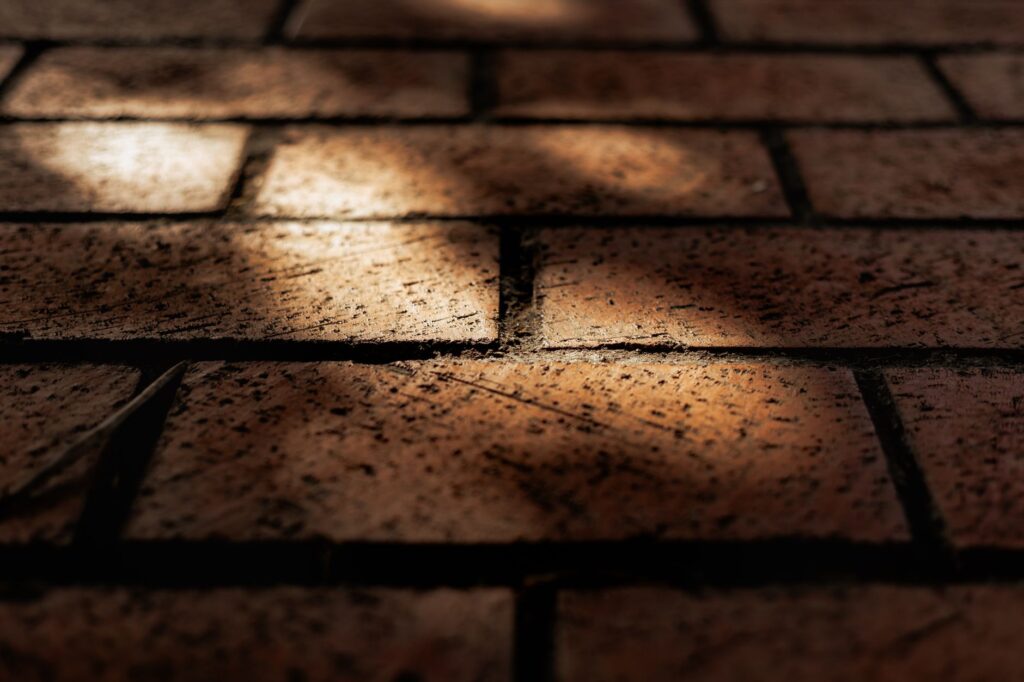
Quick Answer: Faded color, visible weeds between joints, sand washing out after rain, and a chalky surface texture all signal it’s time to reseal. Waiting too long means paying for repairs, not just maintenance.
We get calls year-round from folks in Belleview and Silver Springs Shores who assumed their pavers just "needed a good cleaning." Often the cleaning is step one — sealing is what actually stops the cycle from repeating.
DIY vs Professional Paver Sealing
Box-store sealer kits look tempting, but uneven application, poor surface prep, and the wrong sealer chemistry cause most DIY failures. A professional crew pressure washes, re-sands joints, and applies sealer in controlled coats matched to the paver material.
| Factor | DIY Sealing | Professional Sealing |
|---|---|---|
| Surface prep | Often skipped or rushed | Full wash, weed treatment, joint re-sanding |
| Sealer application | Roller/sprayer inconsistency | Even, calibrated coverage |
| Common result | Streaking, blushing, short lifespan | Uniform finish, 2-4 year durability |
| Time investment | Full weekend, unpredictable weather | Scheduled, typically 1 day |
| Cost | Lower upfront, higher long-term risk | Higher upfront, fewer redo costs |
⚠️ Common Mistake: Sealing over pavers with existing weeds or loose sand only traps the problem. The weeds push through again within months, and the seal fails around them.
Our paver sealing services always start with a full wash cycle, similar to the prep work we do for patio cleaning and pool deck cleaning projects, because sealing over a dirty surface never holds.
The Paver Sealing Process Step by Step
Quick Answer: A proper job follows four stages — wash, repair, re-sand, and seal — usually completed in a single day for an average driveway or patio.
- Pressure wash the surface. We remove dirt, algae, and old sealer residue using controlled pressure so we don’t chip paver edges.
- Address weeds and cracks. Any joint weeds get treated, and cracked or sunken pavers get reset before sealing locks anything in place.
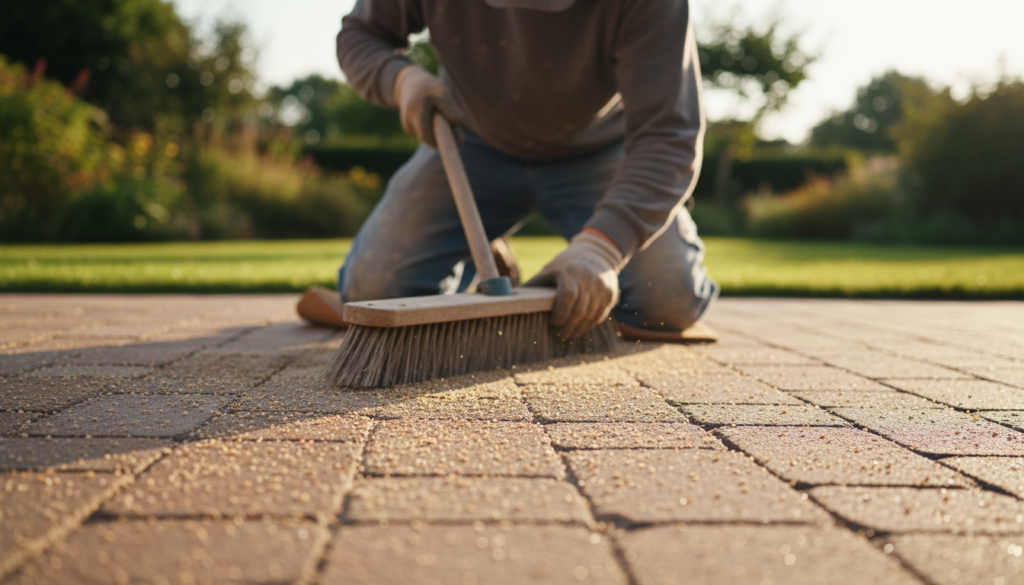
- Re-sand the joints. Fresh polymeric sand gets swept in and activated with water, which hardens it against washout.
- Apply the sealer. We apply two thin, even coats rather than one heavy coat, since heavy coats trap moisture and peel.
Choosing the Right Sealer Type
Not every sealer suits every surface. Wet-look sealers deepen color and add sheen, which homeowners in Marion Oaks and Rainbow Springs often prefer for pool decks and front-entry pavers. Matte or natural-look sealers preserve a more subdued finish, which some HOA communities require.
| Sealer Type | Finish | Best For |
|---|---|---|
| Wet-look acrylic | Glossy, rich color | Driveways, pool decks, entryways |
| Matte/natural | Low sheen, subtle | HOA-restricted areas, travertine |
| Penetrating sealer | Invisible, breathable | High-heat pool decks, natural stone |
💡 Expert Insight: Travertine and natural stone pavers need a breathable, penetrating sealer rather than a film-forming acrylic — the wrong choice can trap moisture and cause spalling (surface flaking) over time.
We often pair sealing jobs with concrete sealing or driveway cleaning since many properties have both paver and poured-concrete surfaces that age at different rates.
Paver Sealing Costs and Timing in Sumter County
Quick Answer: Most residential sealing jobs run per square foot, with pricing shaped by surface condition, sealer type, and how much prep and repair work is needed. Getting a site-specific quote is the only reliable way to budget accurately.
Homeowners from Lake Panasoffkee to Ocklawaha often ask why quotes vary so much between companies. The honest answer: surface condition matters more than square footage alone. A driveway with heavy staining or years of neglected sand loss takes longer to prep than a newer patio.
How Often to Reseal
Most sealed pavers need a fresh coat every 2-4 years, though pool decks and south-facing driveways in full sun often need it closer to the 2-year mark. According to the National Concrete Masonry Association, UV exposure and freeze-thaw cycling are primary factors in sealer breakdown, and while we don’t get true freezes here, our intense summer sun accelerates the same UV degradation.
📊 Data Point: UF/IFAS Extension research on Florida’s subtropical humidity notes that repeated moisture cycling significantly speeds material degradation in exterior surfaces — one reason regional resealing schedules run shorter than in drier climates. See the UF/IFAS Extension for regional climate research.
Waiting too long between sealing cycles almost always costs more, since faded, sand-depleted pavers need full restoration rather than simple maintenance sealing.
Where We Provide This Service
Quick Answer: We seal pavers throughout Marion and Sumter counties, including The Villages, Belleview, Ocklawaha, and Silver Springs Shores, plus surrounding communities.
Our crews regularly work driveways and pool decks in The Villages and Sumter County, along with nearby Marion Oaks, Liberty Triangle, and Rainbow Park neighborhoods. We also cover Silver Springs Shores, Inverness, and communities out toward Lake Panasoffkee and Sumterville. If your address falls inside our Marion, Sumter, Citrus, or Levy County service map, we can typically schedule within the same week.
✅ Quick Tip: Bundle paver sealing with a sidewalk and walkway cleaning visit — pathways and driveways usually need the same wash-and-seal treatment on the same schedule.
Frequently Asked Questions
How much does paver sealing cost in Sumter County?
Pricing depends on square footage, surface condition, and sealer type, so we provide a walkthrough-based quote rather than a flat online price. Heavily stained or sand-depleted surfaces typically cost more due to added prep work.
How long does paver sealer last in Florida?
Most sealers last 2-4 years in Central Florida before UV exposure and rain wear them down. Pool decks and south-facing driveways in direct sun often need resealing closer to the two-year mark.
Can I seal pavers myself?
You can, but DIY jobs commonly fail from skipped prep, uneven coats, or sealing over trapped moisture. Professional paver sealing in Sumter County includes full washing, re-sanding, and controlled application most DIYers skip.
Do I need to pressure wash before sealing pavers?
Yes — sealing over dirt, algae, or old sealer residue traps the problem beneath a glossy top coat that fails within months. A full pressure wash and dry period is a non-negotiable first step.
What’s the best sealer for a pool deck?
Penetrating, breathable sealers generally perform best on pool decks because they resist moisture buildup around standing water and chemical splash without trapping vapor underneath.
Does paver sealing stop weeds between joints?
Sealing combined with fresh polymeric sand significantly reduces weed growth by closing off the gaps weeds need to take root. It won’t stop every weed forever, but it dramatically cuts the frequency of regrowth.
How soon can I walk or drive on newly sealed pavers?
Most sealers are dry to light foot traffic within a few hours but need 24-48 hours before vehicle traffic resumes. Full cure time can extend further depending on humidity and sealer type.
Final Thoughts
Paver sealing sumter county homeowners invest in isn’t just cosmetic — it’s protection against a climate that fades, cracks, and erodes hardscape faster than almost anywhere else in the country. From proper pressure washing to choosing the right sealer chemistry, every step in the process determines whether your driveway looks great for two years or five. Skipping prep or grabbing a box-store kit usually costs more in the long run than hiring it done right the first time.
- Inspect your pavers for fading, weeds, or sand loss.
- Schedule a pressure wash and prep visit before any sealer goes down.
- Choose a sealer type matched to your paver material and sun exposure.
- Set a 2-4 year reminder for your next resealing cycle.
Starr’s & Stripes PowerWash serves homeowners across Marion, Sumter, Citrus, and Levy counties. Contact us today for a free paver sealing quote and give your driveway or pool deck the protection Florida weather demands.