
How to Stop Destructive Algae on Your Ocala Stucco This August
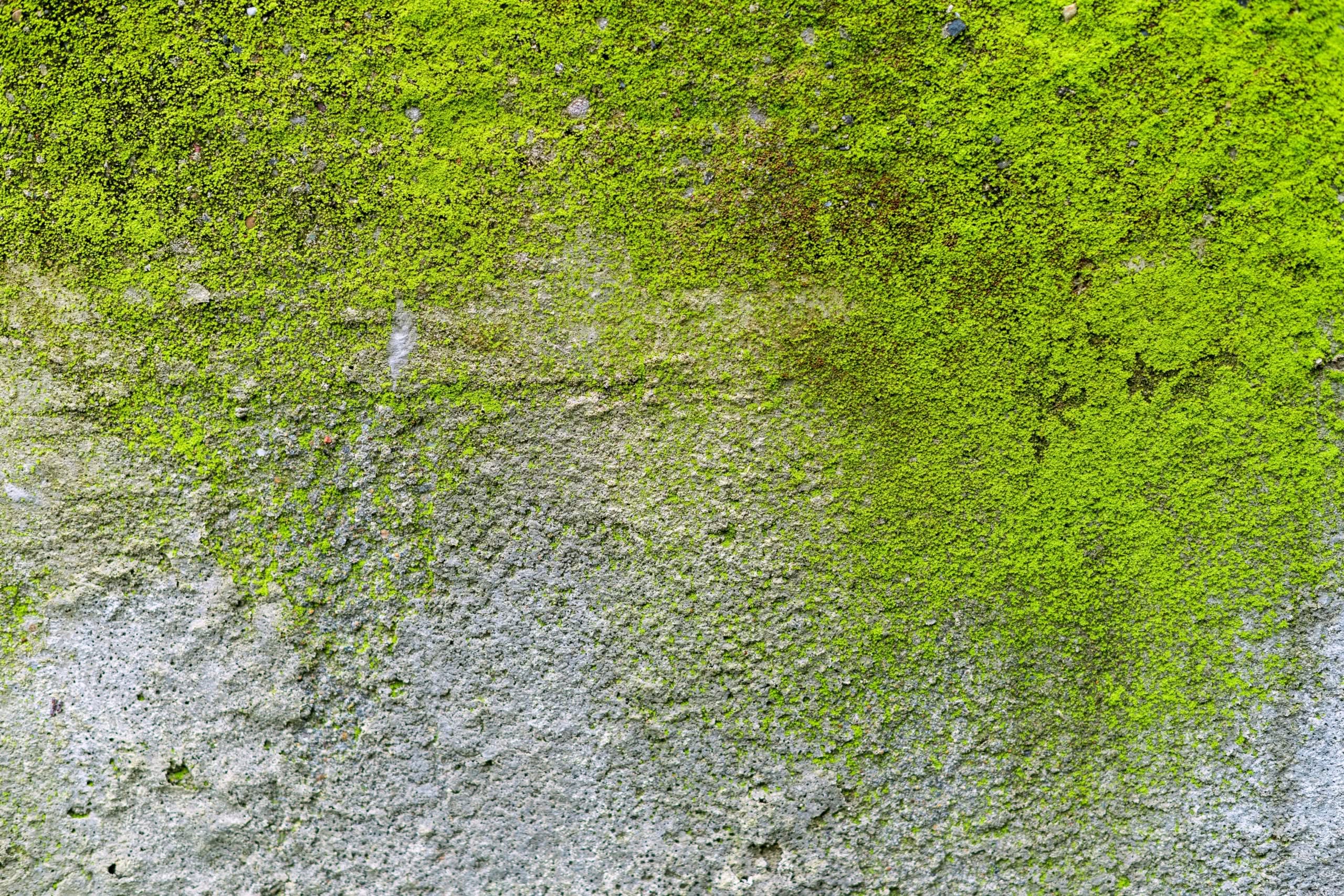
If you own a home in Central Florida, you already know that keeping your exterior pristine is a never-ending battle against the elements. However, nothing prepares your property for the rapid, aggressive biological onslaught that happens late in the summer season. Unbeknownst to many homeowners in Marion County, the expansion of algae on your Ocala stucco reaches a critical, highly destructive peak during the month of August. If you want to prevent permanent structural damage to your property, understanding the science behind how these organisms colonize your walls is absolutely vital.
This isn’t just an unsightly aesthetic issue that lowers your neighborhood curb appeal; it is an active, ongoing threat to your home’s structural envelope. Stucco is a beautifully classic, incredibly durable building material, but its unique structural composition leaves it highly vulnerable under the right environmental conditions.
In this comprehensive master guide, we will break down the exact environmental science behind why August creates the absolute perfect storm for microbial infestations. We will also explore the hidden ways these organisms permanently degrade your property, and explain why choosing a professional, soft-wash certified Ocala house washing service is the only safe, field-tested way to protect your long-term real estate investment.
⚡ Key Takeaways: Late-Summer Stucco Preservation
The Growth Window: Extreme relative humidity (90%+) combined with sustained thermal heat makes August the peak season for algae on your Ocala stucco.
Structural Risks: Prolonged biological growth traps moisture against your home, leading to delamination, cracking, and expensive masonry failure.
The Professional Alternative: High-pressure DIY washing permanently scars stucco surfaces. Advanced low-pressure soft washing sanitizes the substrate at the root layer for lasting protection.
1. The Perfect Storm: Why August Multiplies Algae on Your Ocala Stucco
To truly understand why August is uniquely dangerous for the spread of algae on your Ocala stucco, you must look closely at the specific meteorological patterns of Central Florida. August is historically the wettest, most humid, and consistently hottest stretch of the entire year in Marion County, serving as a high-octane environment that triggers a sudden explosion of organic growth.
According to historical climate tracking data compiled by the National Weather Service, August in Central Florida experiences an average relative humidity level that frequently hovers near 90% to 93% in the early mornings, paired with daily afternoon convective thunderstorms. When you combine intense heat (frequently exceeding 92°F) with torrential tropical downpours and stagnant air, you effectively turn your home’s exterior walls into a giant, vertical biological incubator.
[Airborne Spores] + [90%+ Morning Humidity] + [Afternoon Heat Catalyst] = Explosive Micro-Colony Growth
The Biology of Airborne Microorganisms
Algae spores are completely airborne and omnipresent across the Ocala National Forest region. They require three key elements to survive, thrive, and reproduce:
Abundant, consistent surface moisture.
Sustained, high-ambient thermal heat.
A rough, porous anchoring surface providing structural shelter.
During the early summer months of June and July, these microscopic spores begin to establish an invisible baseline foundation on your walls. By the time August arrives, the accumulated thermal mass of the building and constant daily rainfall act as a high-octane biological accelerator. Within mere days, a barely visible green tint can transform into thick, dark, black-and-green streaks wrapping around the shaded sides of your property.
2. The Anatomy of Stucco: Why Microorganisms Love It
Traditional stucco is inherently a dense masonry mixture of Portland cement, lime, sand, and water applied over a metal lath or concrete block backup. While it provides an exceptional, fire-resistant barrier and outstanding structural insulation for Florida properties, it has an anatomical vulnerability that makes it a prime target for organic growth: it is highly porous and hydro-absorbent.
The Microscopic Textural Trap
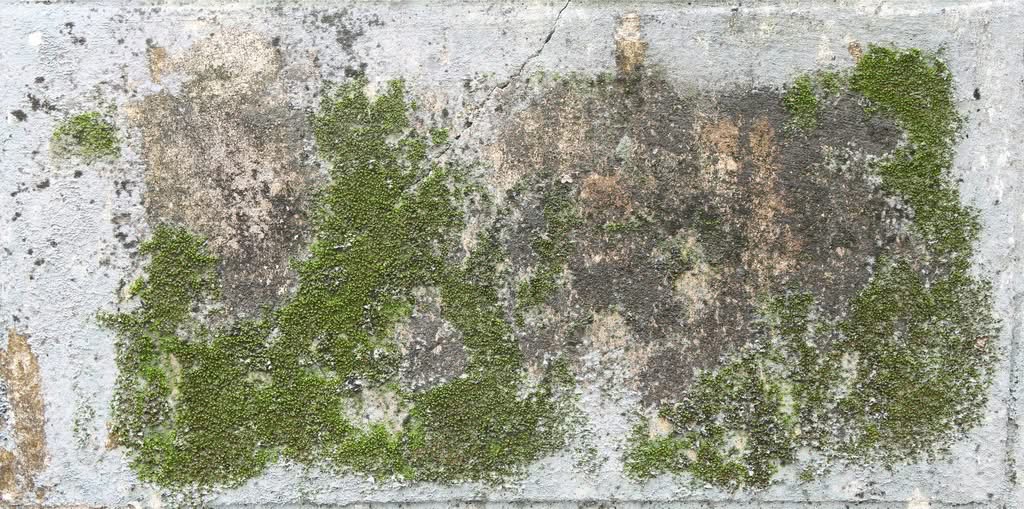
When viewed under intense laboratory magnification, the surface of a standard knockdown, lace, or swirl stucco finish looks exactly like a mountain range filled with tiny pockets, valleys, microscopic fissures, and deep crevices. When heavy afternoon rainwater cascades down your walls, these tiny pockets trap water droplets long after the storm has passed and the sun returns. This intricate microscopic layout creates the perfect repository for trapping the organisms that form algae on your Ocala stucco.
The Accumulation of Environmental Nutrients
Furthermore, standard exterior stucco finishes readily trap dust, organic dirt, airborne tree sap, and nutrient-rich oak pollen blowing through our local environment. This accumulated organic debris serves as a direct, continuous food source for organisms like Gloeocapsa magma (the specialized cyanobacteria responsible for those ugly, vertical black streaks) and various green chlorophyta species.
Because north- and west-facing walls receive the least amount of direct UV sunlight throughout the day, they remain damp significantly longer, making them the primary targets for rapid, unchecked infestation.
3. The Hidden Dangers: Deep Structural Impacts of Algae on Your Ocala Stucco
Many property owners mistakenly treat the collection of algae on your Ocala stucco as a minor cosmetic issue, something that can easily be ignored or pushed off until cooler autumn weather arrives in November. This delay is a critical, highly expensive mistake. If left unchecked throughout the peak of August, these biological organisms will cause deep structural degradation to the home’s exterior substrate.
Subsurface Moisture Retention and Delamination
Algae behaves exactly like a microscopic biological sponge, creating an impermeable barrier where the growth of algae on your Ocala stucco locks moisture directly against the exterior surface. This completely prevents the building material from breathing, off-gassing vapor, and drying out properly. Over time, this constant water-logging weakens the chemical bond between the stucco base coats and the underlying wood framing or concrete masonry units (CMU).
This process eventually leads to a structural failure known as delamination, a severe condition where the stucco begins to bubble, pull away from the wall, crack extensively, and ultimately break off in large, heavy chunks. Repairing delaminated stucco requires highly expensive structural masonry patching, color matching, and structural remediation that costs thousands of dollars more than preventative maintenance.
The Forerunner to Toxic Mold and Mildew
Algae growth establishes a complex ecosystem on your walls. Once an algae colony has successfully matured, it alters the surface pH of the concrete and creates a damp, nutrient-rich foundation that allows far more dangerous, root-penetrating organisms to take hold. These include mold, mildew, and lichens.
Unlike simple surface algae, lichens secrete aggressive organic acids that chemically dissolve the limestone and cement binders within the stucco itself, causing pitting and crumbling. Even worse, if these mold spores find their way into the microscopic hairline cracks of your home, they can penetrate the interior wall cavity. This compromises your indoor air quality and triggers severe health risks for anyone suffering from asthma or respiratory sensitivities, which directly conflicts with residential safety guidelines maintained by the U.S. Environmental Protection Agency (EPA).
4. The Fatal Flaw of DIY: Why You Should Not Pressure Wash Algae on Your Ocala Stucco Yourself
When homeowners notice their walls turning green or black, their immediate instinct is often to head to a local home improvement box store, rent a high-powered pressure washer, and attempt a weekend DIY cleanup. Property owners searching for a quick remedy to blast algae on your Ocala stucco away often cause catastrophic damage. Attempting to clear these infestations through high-pressure DIY methods is one of the quickest ways to cause permanent, irreversible property damage.
Stucco Cannot Handle High PSI
Standard residential pressure washers easily produce anywhere from 2,500 to 4,000 PSI (Pounds per Square Inch) of concentrated mechanical pressure. Stucco is strong against flat compression, but it is incredibly fragile against high-velocity water streams.
Using high pressure on stucco acts exactly like a water laser. It can easily blast away the outer finish coat, scar the texture pattern, punch holes directly through the weather barrier, and blow water deep behind the walls into the interior insulation and drywall.
⚠️ Critical Safety Warning: Mechanical water streams exceeding 2,000 PSI can instantaneously fracture exterior stucco finishes, detach expansion joints, strip away commercial paint coatings, and lead to systemic interior water intrusion.
The “Iceberg” Effect of Chemical Cleaning
DIY enthusiasts often rely on generic household bleach mixtures poured into inaccurate garden sprayers. Without the precise scientific knowledge of chemical ratios, homeowners often use solutions that are either too weak to kill the underlying root structures of the algae, or so dangerously concentrated that they kill surrounding landscaping, bleach exterior paint, and corrode aluminum window frames.
More importantly, simply blasting away the top surface layer with water leaves the deep-rooted microscopic spores completely alive inside the stucco pores. As a result, the algae returns faster, thicker, and far more aggressively than before.
5. The Professional Solution: Why Soft Washing is the Only Way
To safely eliminate organic growth without altering the structural profile of your walls, utilizing specialized professional exterior cleaning services is the single most reliable path forward. This approach provides a highly specialized methodology to eradicate algae on your Ocala stucco without compromising its physical integrity.
This method is fully endorsed by the Asphalt Roofing Manufacturers Association (ARMA) and leading exterior siding manufacturers as the global gold standard for exterior safety and longevity.
| Cleaning Attribute | DIY High-Pressure Washing | Professional Soft Washing |
| Pressure Level | Dangerously High (2,500+ PSI) | Safe, Low Pressure (Under 100 PSI) |
| Cleaning Method | Physical force (Blasts the surface) | Chemical eradication (Kills at the root) |
| Damage Risk | High risk of cracking, chipping, water intrusion | Exceptionally safe for all delicate surfaces |
| Results Longevity | Short-lived; algae returns within months | Long-lasting; keeps surfaces clean up to 4-6x longer |
| Spore Elimination | Leaves microscopic roots intact | 100% eradication of spores, mold, and bacteria |
Instead of relying on destructive physical force, professional soft washing utilizes specialized, low-pressure delivery pumps operating at under 100 PSI, which is comparable to the pressure from a standard garden hose. The secret lies entirely in the science of the cleaning solution.
Professionals apply a custom-tailored, biodegradable blend of specialized algaecides, surfactants, and water. The surfactants break the surface tension of the water, allowing the active sanitizing agents to sink deep down into the microscopic pores of your stucco. This mixture sanitizes the surface, killing the algae, mold, and mildew spores instantly at their biological root.
Once the solution has completely neutralized the organic growth, the entire wall is rinsed down cleanly with a gentle, wide-angle spray, leaving your stucco perfectly clean, completely undamaged, and chemically resistant to immediate re-infestation.
6. Long-Term Prevention and Maintenance Strategies for Ocala Homeowners
While the annual August weather patterns are completely unavoidable, there are several strategic steps you can take around your property to decrease the speed at which algae on your Ocala stucco reappears after a professional sanitization cycle.
Optimize Your Irrigation Systems
Ensure your lawn sprinklers are properly aligned. Sprinkler heads that consistently spray directly onto your stucco walls create localized zones of endless moisture, guaranteeing a massive algae breakout. Inspect your spray patterns monthly to ensure your masonry stays dry during scheduled lawn waterings.
Trim Surrounding Landscaping
Keep trees, dense bushes, and ornamental shrubs trimmed back at least 2 to 3 feet away from your exterior walls. This allows sunlight to reach the stucco and greatly improves natural airflow, helping the walls dry out quickly after an afternoon storm. Increased clearance also minimizes the direct transfer of airborne spores from forest foliage onto your home.
Maintain Clean Gutters
Ensure your home’s seamless gutters are completely clear of leaves and debris. Clogged gutters cause rainwater to overflow and cascade directly down your stucco walls, creating perfect, vertical tracking lines of dark organic growth. Regularly maintaining your home’s drainage architecture is a simple yet highly effective defense against structural water-logging.
To establish a comprehensive, year-round protection plan for your home’s exterior envelope, explore the tailored preservation options available via the Power Wash Ocala service directory. Partnering with certified specialists ensures your home remains beautifully clean, structurally sound, and fully protected against the harsh Central Florida climate every season of the year.
Frequently Asked Questions About Stucco Algae
What causes the rapid growth of algae on your Ocala stucco during late summer?
The combination of sustained atmospheric heat exceeding 92°F, relative humidity levels hovering above 90%, and daily convective thunderstorms creates an ideal, incubator-like environment for airborne spores to anchor and multiply rapidly within porous stucco substrates.
Will high-pressure washing remove stucco stains permanently?
No. High-pressure washing only shears off the visible top layer of the organism while leaving the deep microscopic root networks alive inside the concrete pores. Additionally, high PSI streams risk permanent surface scarring, cracking, and moisture intrusion.
Can I prevent algae on your Ocala stucco by painting over it?
Painting over active algae colonies is highly discouraged. Applying paint over living microorganisms traps the growth underneath the new coating, leading to rapid paint bubbling, peeling, and hidden subsurface stucco decay. Surfaces must be chemically sanitized before any paint application.