Ocala roof cleaning is the safest way to erase the black streaks, algae, and moss that Florida’s humidity leaves behind on shingles — and it should almost always be done with a low-pressure soft wash, not a power washer. Those dark streaks aren’t dirt; they’re a living organism called gloeocapsa magma, and blasting it with high pressure can strip granules and shorten your roof’s life. This guide breaks down what’s really growing up there, how professionals remove it safely, and what the service costs across Marion County.
I’ve walked more Ocala rooftops than I can count, and the story is almost always the same: homeowners assume those streaks are just “dirt” until a roofer or insurance inspector flags them. The good news is that safe, non-pressure algae removal can restore curb appeal without a full roof replacement — if it’s done the right way.
📌 Key Takeaways
- Black roof streaks are almost always gloeocapsa magma algae, not dirt or mold.
- Soft washing (low pressure + biodegradable solution) is the industry-recommended method for asphalt shingles.
- High-pressure washing can void shingle warranties and strip protective granules.
- Ocala’s humidity and oak tree cover make algae regrowth common every 2-4 years.
- A professional soft-wash treatment typically costs far less than a partial roof replacement caused by neglect.
Jump to a section:
- What’s Really Growing on Your Ocala Roof?
- Soft Wash vs. Pressure Washing: What’s the Difference?
- How Professional Ocala Roof Cleaning Actually Works
- Cost and Timing for Roof Care in Central Florida
- DIY Roof Cleaning vs. Hiring a Pro
- Frequently Asked Questions
What’s Really Growing on Your Ocala Roof?
Quick Answer: Those black streaks are gloeocapsa magma, a blue-green algae that feeds on the limestone filler in asphalt shingles. It thrives in Florida’s heat and humidity, making shingle algae treatment a recurring maintenance task rather than a one-time fix.
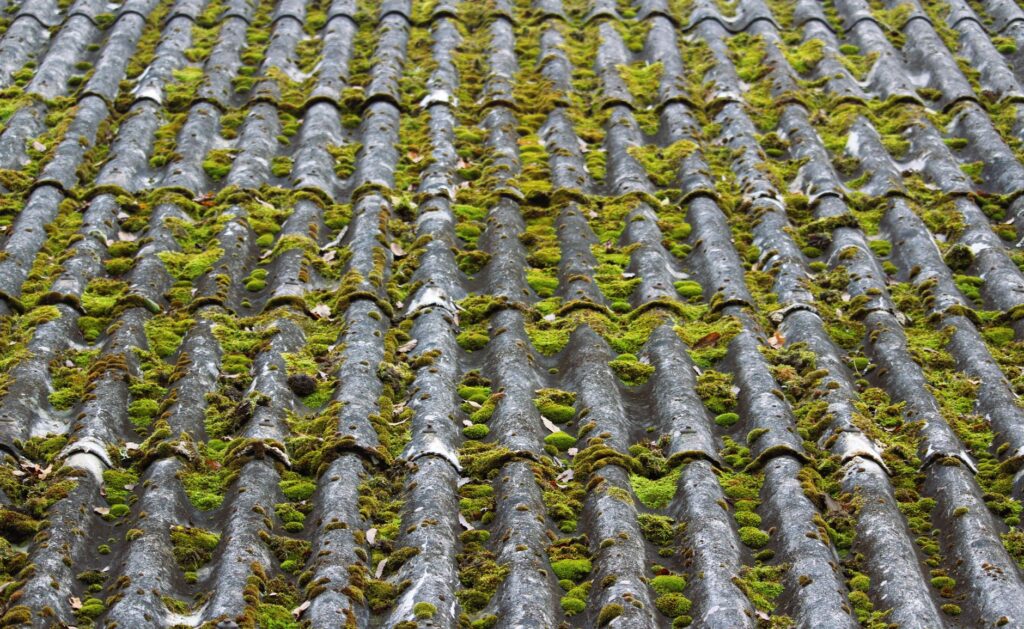
Gloeocapsa magma spreads through spores carried by wind, rain, and even birds. Once it colonizes a shingle, it forms a protective dark casing to shield itself from UV rays — which is exactly why the streaks look black instead of green. According to University of Florida IFAS Extension, Florida’s warm, wet climate creates ideal conditions for algae and mold growth on building materials, including roofing.
Is It Mold, Mildew, or Algae?
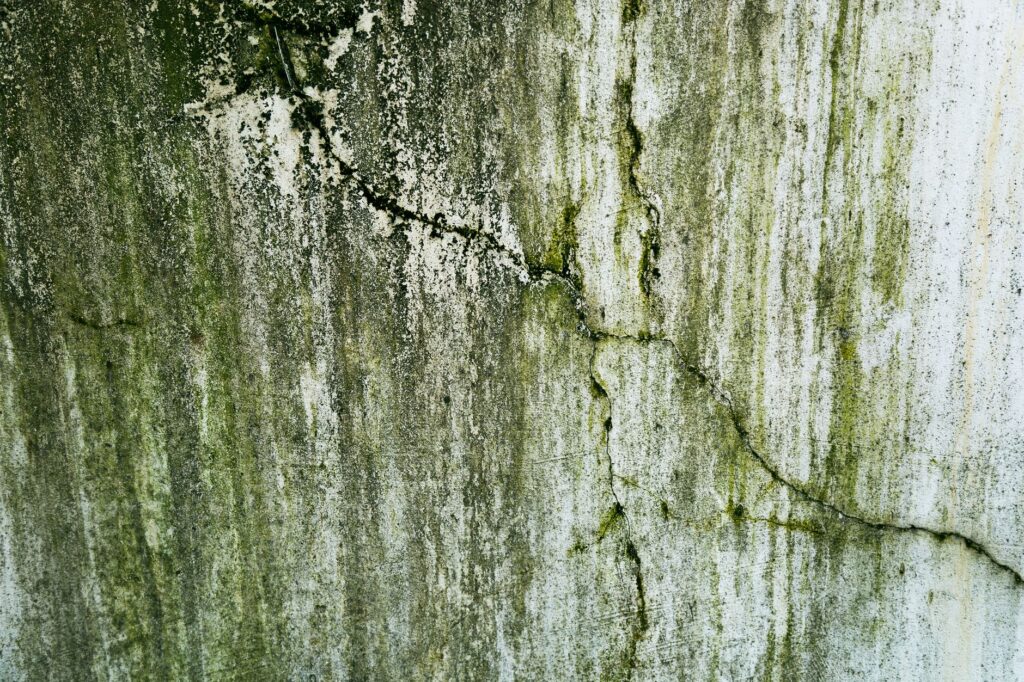
Homeowners often mix up these terms, so a quick definition helps. Algae feeds on shingle minerals and appears as dark streaks; mold and mildew are fungi that typically grow on shaded, damp surfaces like siding or fences. If you’re seeing black streaks concentrated on the north-facing slope of your roof, it’s almost certainly algae, not mold.
⚠️ Common Mistake: Many homeowners try bleach-and-water mixes from a garden hose. This barely touches established algae colonies and can damage landscaping and gutters with runoff.
Soft Wash vs. Pressure Washing: What’s the Difference?
Quick Answer: Soft washing uses low water pressure combined with a biodegradable cleaning solution to kill algae at the root, while pressure washing relies on high-force water that can crack or lift shingles. For roofs, soft washing is the accepted professional standard.
The term “soft wash” refers to a technique using pressures under 500 PSI, paired with surfactants that break down organic growth safely. This differs from driveway or patio work, where higher pressure is fine on concrete. The Asphalt Roofing Manufacturers Association provides manufacturer guidance recommending low-pressure, chemical-based methods to avoid granule loss and voided warranties.
Why Low-Pressure Methods Protect Shingles
Asphalt shingles are coated with mineral granules that shield the underlying asphalt from UV damage. Aggressive pressure washing can blast these granules loose, exposing the shingle to accelerated wear. A gentle soft-wash approach avoids this entirely by letting the solution do the work instead of brute force.
| Method | PSI Range | Risk to Shingles | Best For |
|---|---|---|---|
| Soft wash (roof-safe) | Under 500 PSI | Very low | Asphalt, tile, metal roofs |
| High-pressure wash | 1,500-3,000+ PSI | High — granule loss, leaks | Concrete driveways, pavers |
| DIY bleach spray | Variable, inconsistent | Moderate (runoff damage) | Not recommended for roofs |
💡 Expert Insight: We treat every roof the same way we’d treat our own home’s shingles — low pressure, the right dwell time, and a thorough rinse. It’s slower than power washing, but it’s the only method that won’t shorten a shingle’s lifespan.
A soft-wash treatment pairs well with a broader exterior refresh. Many clients bundle it with soft wash house washing or standard pressure washing services for driveways and walkways on the same visit.
How Professional Ocala Roof Cleaning Actually Works
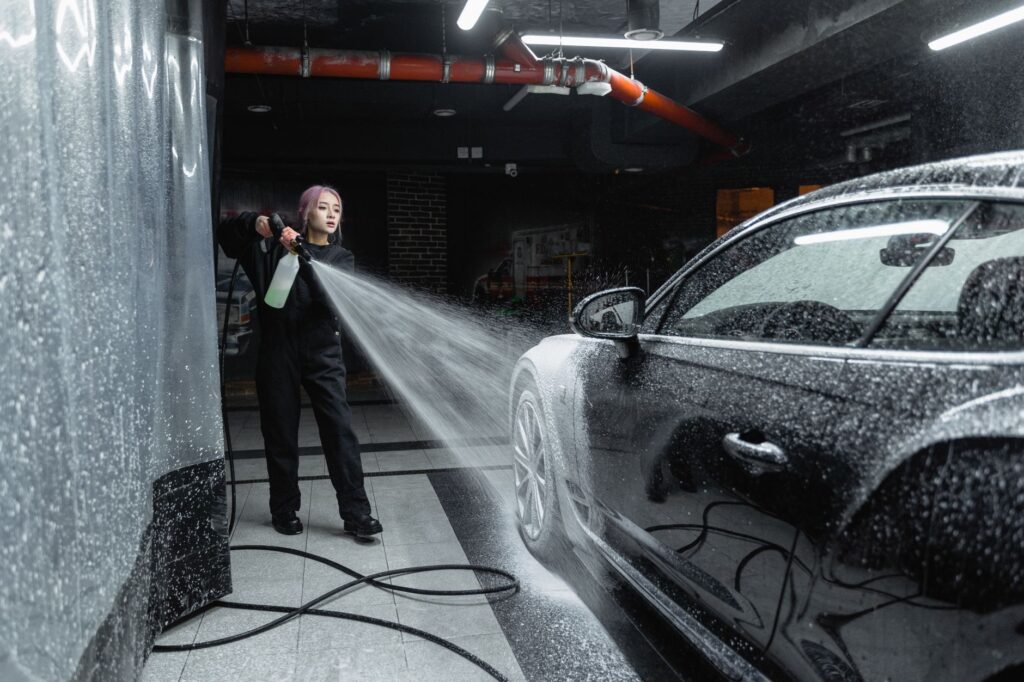
Quick Answer: A professional visit involves surface prep, applying a low-pressure algaecide solution, letting it dwell, then a gentle rinse — followed by protecting landscaping and gutters throughout. The whole process usually takes two to four hours for an average home.
- Inspection — technicians check for loose shingles, exposed nails, or existing leaks before starting.
- Pre-wetting and protection — plants, AC units, and gutters are covered or pre-rinsed to reduce chemical exposure.
- Application — a biodegradable soft-wash solution is applied at low pressure across the algae-affected areas.
- Dwell time — the solution sits for several minutes to break down the algae’s protective coating.
- Rinse — a controlled, low-pressure rinse removes residue without disturbing granules.
Safety and Runoff Compliance
Roof work carries real fall risk, which is why ladder and harness protocols matter. OSHA publishes fall-protection standards that reputable soft-wash crews should follow on every job. Responsible companies also manage chemical runoff carefully, since the US EPA’s NPDES program and the Florida Department of Environmental Protection both regulate wastewater discharge that could otherwise reach storm drains or waterways.
📊 Data Point: Trade groups like Power Washers of North America note that soft-wash methodology has become the industry-recommended approach specifically because it protects both the substrate and the surrounding environment compared to high-pressure alternatives.
Cost and Timing for Roof Care in Central Florida
Quick Answer: Most single-family roof treatments in Marion County run a few hundred dollars depending on roof size and pitch, and late winter through early spring is the ideal scheduling window before Florida’s rainy season accelerates regrowth.
Pricing depends on square footage, roof pitch, and how established the algae growth has become. A roof that’s gone five-plus years without attention typically takes longer to treat than one maintained every two to three years. Bundling this service with gutter cleaning often saves a trip charge and catches debris before it clogs downspouts.
Best Time of Year for Ocala Roof Cleaning
Central Florida’s mild winters make January through April an ideal window, before summer humidity and rainfall speed algae regrowth. Homeowners in Belleview, Dunnellon, and The Villages often schedule this maintenance ahead of spring HOA inspections or before listing a home for sale.
| Home Size | Estimated Cost Range | Recommended Frequency |
|---|---|---|
| Small home / mobile home | Lower end of range | Every 2-3 years |
| Average single-family home | Mid-range | Every 2-3 years |
| Large home / steep pitch | Higher end of range | Every 2 years |
✅ Quick Tip: Ask any contractor for proof of insurance and check active licensing status through the Florida DBPR Contractor Licensing portal before letting anyone climb your roof.
DIY Roof Cleaning vs. Hiring a Pro
Quick Answer: DIY treatment is possible for small, low-slope areas, but the combination of height, chemical handling, and shingle sensitivity makes hiring a pro the safer, longer-lasting choice for most homeowners.
A garden sprayer and a store-bought algaecide can knock back light growth on a single-story, low-pitch roof. But most Ocala homes have enough pitch, tree cover, or roof height that DIY attempts turn into a genuine fall hazard — which is exactly the risk OSHA’s guidance is designed to reduce.
When DIY Makes Sense (and When It Doesn’t)
If your roof is walkable, low, and only lightly streaked, a cautious DIY treatment might be reasonable. Anything steep, two-story, or heavily colonized is better left to a crew with harnesses, ladders, and proper runoff containment — the National Roofing Contractors Association generally recommends professional maintenance to avoid voiding shingle warranties through improper technique.
💡 Expert Insight: We’ve been called out to re-treat roofs after a DIY bleach job left blotchy, uneven results. Fixing an uneven treatment often costs more than doing it right the first time.
This kind of maintenance also pairs naturally with a full exterior refresh — many clients combine it with driveway cleaning or a look at our benefits of professional power washing for a whole-home plan.
Frequently Asked Questions
How much does ocala roof cleaning cost?
Most Marion County homes fall into a moderate price range depending on roof size, pitch, and how established the algae growth is. Homes that haven’t been treated in five-plus years typically cost more due to heavier buildup.
Will pressure washing damage my asphalt shingles?
Yes — high-pressure water can strip protective granules and shorten shingle lifespan, which is why soft washing at low pressure is the industry-recommended method. Manufacturer guidance from the Asphalt Roofing Manufacturers Association supports low-pressure methods specifically to avoid this damage.
What is gloeocapsa magma and why is it on my roof?
Gloeocapsa magma is a blue-green algae that feeds on limestone filler in asphalt shingles, appearing as black streaks. It thrives in humid climates like Central Florida, making regrowth common every two to four years without maintenance.
Is soft wash treatment safe for my landscaping?
Professional crews pre-wet and cover plants, then use biodegradable solutions designed to break down safely. Responsible companies also manage runoff in line with EPA and Florida DEP wastewater guidance to limit environmental impact.
How often should I schedule roof cleaning in Central Florida?
Most homes need treatment every two to three years, though homes under heavy tree cover in areas like Dunnellon or Silver Springs may need it closer to every two years. Regular maintenance also makes each future visit faster and less expensive.
Is there a roof cleaning method that doesn’t use straight bleach?
Yes — many professional soft-wash companies use algaecide-based solutions rather than straight bleach, which is gentler on shingles and landscaping. Ask any provider directly about their solution before booking.
Does roof cleaning help before selling a home?
Black streaks are one of the first things buyers and inspectors notice from the curb, and clean shingles can improve first impressions significantly. It’s a relatively low-cost way to boost curb appeal compared to larger exterior repairs.
Final Thoughts on Ocala Roof Cleaning
Those black streaks aren’t just cosmetic — left untreated, gloeocapsa magma can shorten shingle life and hurt curb appeal. The safest fix is a professional, low-pressure soft wash rather than a high-pressure blast that risks your warranty. Ocala roof cleaning done right protects your investment while keeping your home looking sharp for Marion County’s humid, algae-friendly climate.
- Inspect your roof for dark streaks, especially on north-facing slopes.
- Confirm any contractor’s license status and insurance before scheduling.
- Book a soft-wash treatment during the January-April window if possible.
- Bundle with gutter or driveway cleaning to save on a single visit.
Starr’s & Stripes PowerWash Ocala serves homeowners across Marion, Sumter, Citrus, and surrounding counties with safe, low-pressure roof care. Contact us today to schedule your free roof assessment and get your home looking its best.